The results from our Audience Intelligence Reports for Q2 have incited some interesting conversations amongst our team. For those of you who don’t know, our quarterly Audience Intelligence Report provides an overview of exactly who is engaging with our clients across their social media channels and websites. We use this data to help tailor the content and messages that we post on each channel more appropriately.
Check out a sample of our Audience Intelligence Report here.
What did we uncover this quarter?
1. Instagram engagement from 18-24 year olds has slowed down
Looking at follower distribution by age, 18-24 year olds now only make up 10% of followers on each of our clients’ Instagram accounts. Instagram was once flooded with young adults, so what’s changed?
The Emergence of TikTok
Gen Z has embraced TikTok’s unique blend of short-form video content, creative tools and viral challenges turning it into the cultural phenomenon it is today. The platform’s rapid growth reflects Gen Z’s preference for visual and interactive content, reshaping how we use social media. TikTok is closing in on 1.8 billion users by the end of this year with 44.7% of those users aged 13-27.

How Gen Z Consumes Media
Remember when you used to gather as a family in front of the TV each night and watch a show or movie together? Most Gen Z’s probably won’t. The way Gen Z consumes media is very different to the traditional formats older generations have been used to. Social media has become Gen Z’s source of entertainment and media consumption. A number of Gen Zers will even watch TV shows on TikTok or YouTube.
Following Habits Have Changed
Gen Z still makes up over 50% of Instagram users so they’re still on the platform, but their user habits are changing. Instagram is becoming more of a source of entertainment rather than inspiration to keep up with its main competitor in TikTok.
Gen Zers will watch and engage with your content, but they’re loyalty to follow isn’t as strong. They like to feel connected to people rather than brands. They are also incredibly brand conscious, wanting to associate themselves with brands that share their values.
2. Users are most active in the mornings and late evenings
It seems like an obvious one, but it’s important to keep on top of it in case it does change. Across all platforms – Facebook, Instagram, LinkedIn, etc. – we’ve found our clients’ users are most active at the start of the day (i.e. before work or school) and when they are winding down at the end of the day.

3. Feed placements are still just as important as Reels for Meta video ads
Even with the rise of Reels engagement across Meta, the Feed is still the most used ad placement for video content. What does this tell us? It’s important to have the right video specifications for all video placement types.
For example, a video in the vertical 9:16 ratio (Reels and Stories) will get cut off in the Feed placement because it is too long.
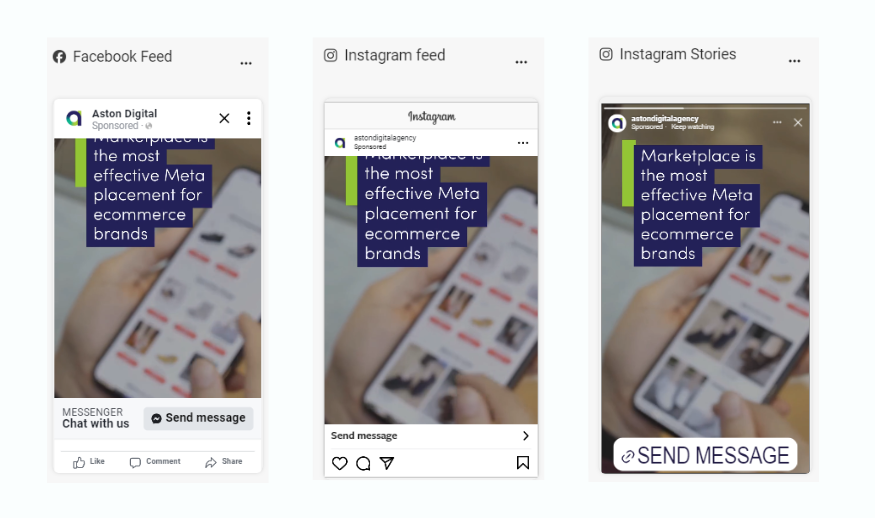
The optimal ratio for the Feed placement is currently 1:1 or 4:5. For a full list of specs for all social media placements, check out this up-to-date guide.
Looking to take your digital marketing reports to the next level? Find out how Aston Digital can support your Marketing Team. Let’s talk!
- All
- AI Search & Marketing
- Digital Marketing
- Digital Strategy
- Ecommerce
- Google Analytics
- Instagram Stories
- Marketing
- Meta
- Search Engine Marketing
- Search Engine Optimisation
- Social Media
- Social Media
- Social Media Advertising
- Social Media Marketing
- Social Media Strategy
- Uncategorized

For a long time, marketing worked in bursts. Campaign launches.Sales periods.Quarterly pushes. Then… silence. That model made sense when attention was predictable. But that's no longer the [...]

For years, social media worked like… well, social media. You followed accounts.You saw their content.You engaged with people you knew or chose to follow. But that’s not [...]
At the end of 2025, we wrote about the rise of the Slow Social Era - the idea that audiences are becoming more intentional with how they consume [...]
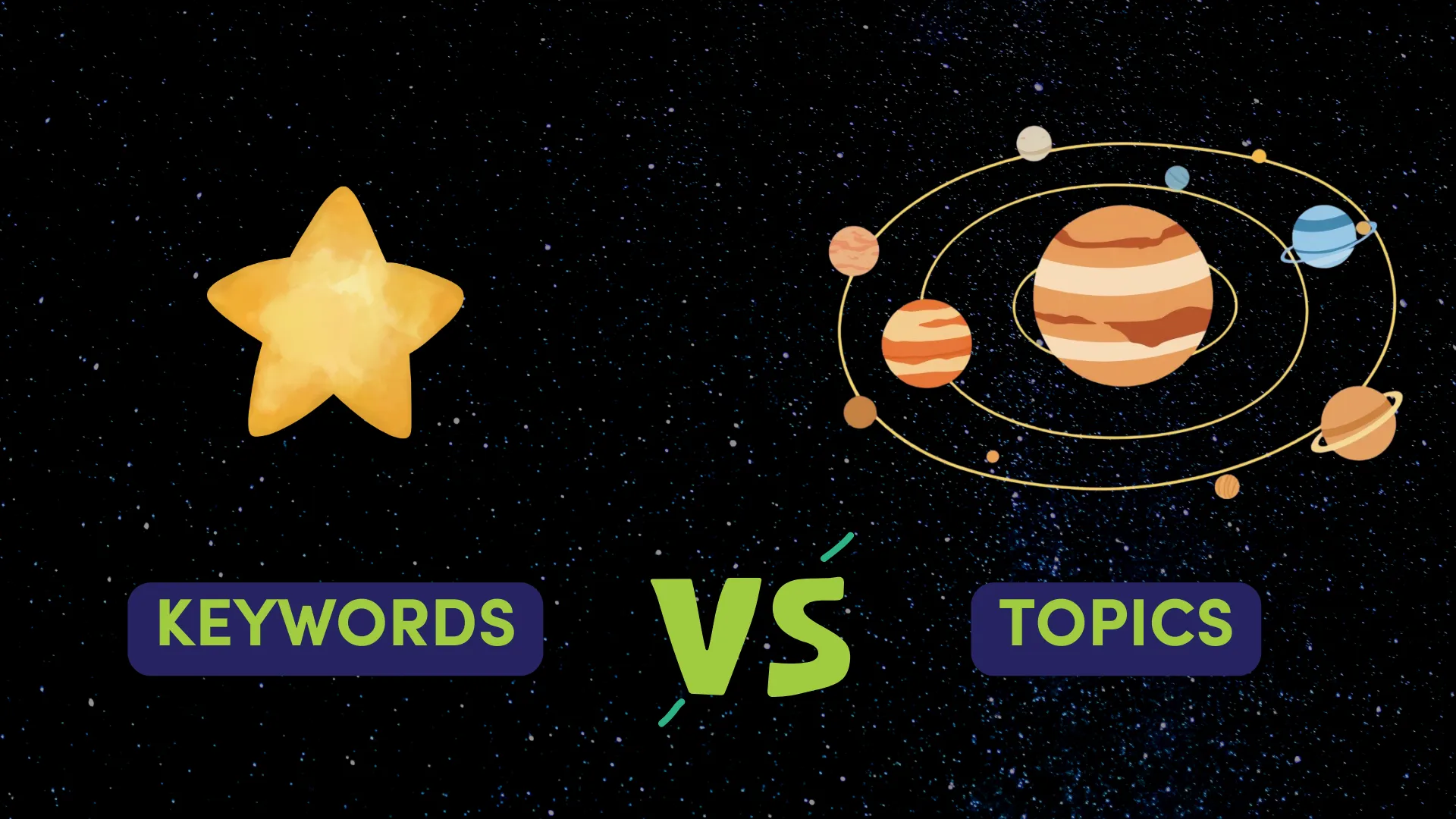
Are keywords dead? No, they’re not. But the way we use them has changed. Instead of focusing on one keyword at a time, we now need to [...]

Search is changing. For years, businesses focused on ranking in Google. If your website appeared on page one for the right keywords, customers could find you. Today, [...]

When marketers analyse ad performance, the instinct is often to focus on the obvious winners; the ads generating the most clicks, conversions or revenue. Those are the [...]
Well it's been 5 months since Google AI Mode officially launched in Australia and the effects on search behaviour, traffic patterns and SEO strategy are clearer and [...]
Most organisations are obsessed with reach - and so they should be. They want new audiences, new eyeballs, new followers - who doesn't? They pour budget into [...]
Recently we explored the Mere Exposure Effect - the psychological principle that says people tend to develop a preference for things simply because they’re familiar with them. [...]
For years, Meta ads were managed like a machine you had to constantly tweak. Adjust the bid strategy. Restructure the campaign. Turn off underperformers quickly. Optimise daily. [...]
For a long time, marketing worked in bursts. Campaign launches.Sales periods.Quarterly pushes. Then… silence. That model made sense when attention was predictable. But that's no longer the [...]
For years, social media worked like… well, social media. You followed accounts.You saw their content.You engaged with people you knew or chose to follow. But that’s not [...]
At the end of 2025, we wrote about the rise of the Slow Social Era - the idea that audiences are becoming more intentional with how they consume [...]
Are keywords dead? No, they’re not. But the way we use them has changed. Instead of focusing on one keyword at a time, we now need to [...]
Search is changing. For years, businesses focused on ranking in Google. If your website appeared on page one for the right keywords, customers could find you. Today, [...]
When marketers analyse ad performance, the instinct is often to focus on the obvious winners; the ads generating the most clicks, conversions or revenue. Those are the [...]
Well it's been 5 months since Google AI Mode officially launched in Australia and the effects on search behaviour, traffic patterns and SEO strategy are clearer and [...]
Most organisations are obsessed with reach - and so they should be. They want new audiences, new eyeballs, new followers - who doesn't? They pour budget into [...]
Recently we explored the Mere Exposure Effect - the psychological principle that says people tend to develop a preference for things simply because they’re familiar with them. [...]
For years, Meta ads were managed like a machine you had to constantly tweak. Adjust the bid strategy. Restructure the campaign. Turn off underperformers quickly. Optimise daily. [...]