At the end of 2025, we wrote about the rise of the Slow Social Era – the idea that audiences are becoming more intentional with how they consume content.
Less scrolling.
Less reacting.
Less engaging for the sake of it.
Now, there’s real data to back it up.
Engagement is declining across major platforms
A new report from Buffer analysed 191,000+ accounts and millions of posts across 2025.
And the findings showed engagement dropped on Instagram, LinkedIn and Threads.
At the same time:
- TikTok stayed relatively flat
- Facebook and Pinterest saw slight increases
- X saw a small lift (but from a very low base)
So if you’ve been looking at your numbers of Q1 2026 thinking “something feels off”…
You’re not imagining it.
But this isn’t a platform problem
It’s easy to blame:
- Algorithm changes
- Platform updates
- “Shadow banning”
But that’s not really what’s happening.
This is a behaviour shift.
We’re producing more content than ever before, and at the same time, people are becoming more selective with their attention.
More content + less attention = lower engagement.
Simples.
This is exactly what the Slow Social Era predicted
When we first talked about Slow Social, we made a key point:
The more content that exists, the harder it becomes for any single piece to matter.
That’s now playing out in real time.
- LinkedIn is more saturated than ever
- Threads is growing rapidly (and getting noisier)
- Instagram is prioritising Reels, shifting how people engage
Therefore, engagement is being diluted across more content.
The real insight marketers should pay attention to
Buried in the Buffer report is the most important takeaway:
Brands that reply to comments see significantly higher engagement.
- +42% on Threads
- +30% on LinkedIn
- +21% on Instagram
That’s not a small lift. That’s a strategy shift.
It reinforces that: Social media is no longer about broadcasting. It’s about participation.
The brands still treating social like a content distribution channel are the ones feeling the drop the most.
What’s actually working right now?
The data also gives us some tactical direction:
- Instagram: Reels get more reach, but carousels drive more engagement
- LinkedIn: Carousels outperform video and static posts by up to 3x
- X: Engagement is still extremely low overall (despite a slight increase)
But none of this matters if the content itself doesn’t resonate.
Because relevance beats everything.
So what should marketers do in 2026?
1. Stop chasing engagement as a vanity metric
Lower engagement doesn’t always mean worse performance, it often reflects a more competitive environment.
2. Focus on depth, not volume
Fewer posts. More intentional thinking. Higher quality.
3. Prioritise conversation, not just content
Reply to comments. Start discussions. Build interaction loops.
4. Create content people want to spend time with
Not just scroll past.
5. Build owned audiences
Email, communities, direct channels – because discovery is getting harder..
The winning move in 2026 isn’t to speed up.
It’s to slow down, and create something worth engaging with.
- All
- AI Search & Marketing
- Digital Marketing
- Digital Strategy
- Ecommerce
- Google Analytics
- Instagram Stories
- Marketing
- Meta
- Search Engine Marketing
- Search Engine Optimisation
- Social Media
- Social Media
- Social Media Advertising
- Social Media Marketing
- Social Media Strategy
- Uncategorized
Open your inbox right now. Chances are it's full of beautifully designed emails with branded headers, colourful buttons, perfectly placed product images and carefully chosen fonts. Now [...]
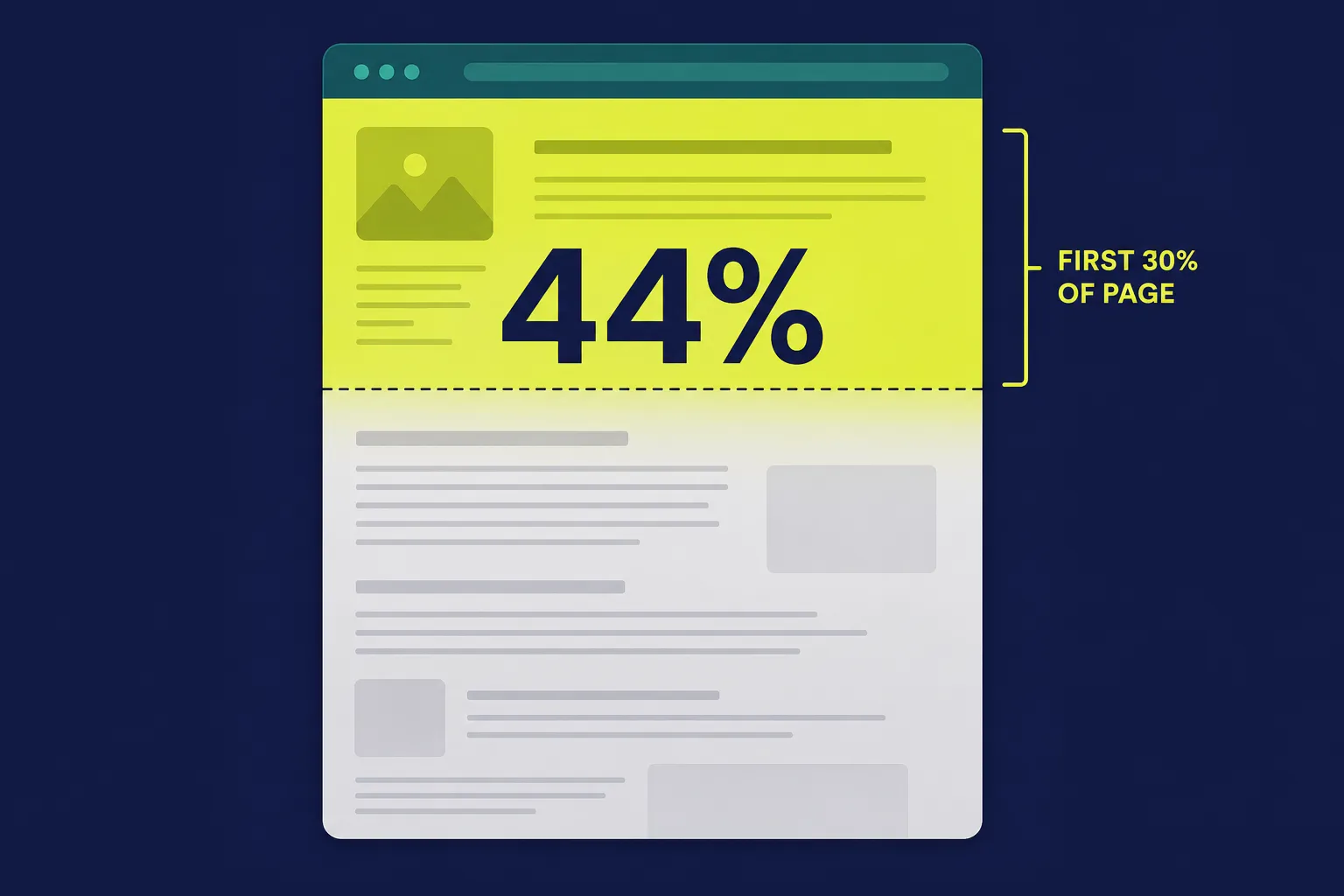
If you're still writing blog posts that build slowly to a big finish, we hate to break it to you but AI isn't reading that far. A [...]

Every month, the same social media questions surface across client calls, emails and workshops. Not always the same words, but the same underlying worry: are we doing [...]
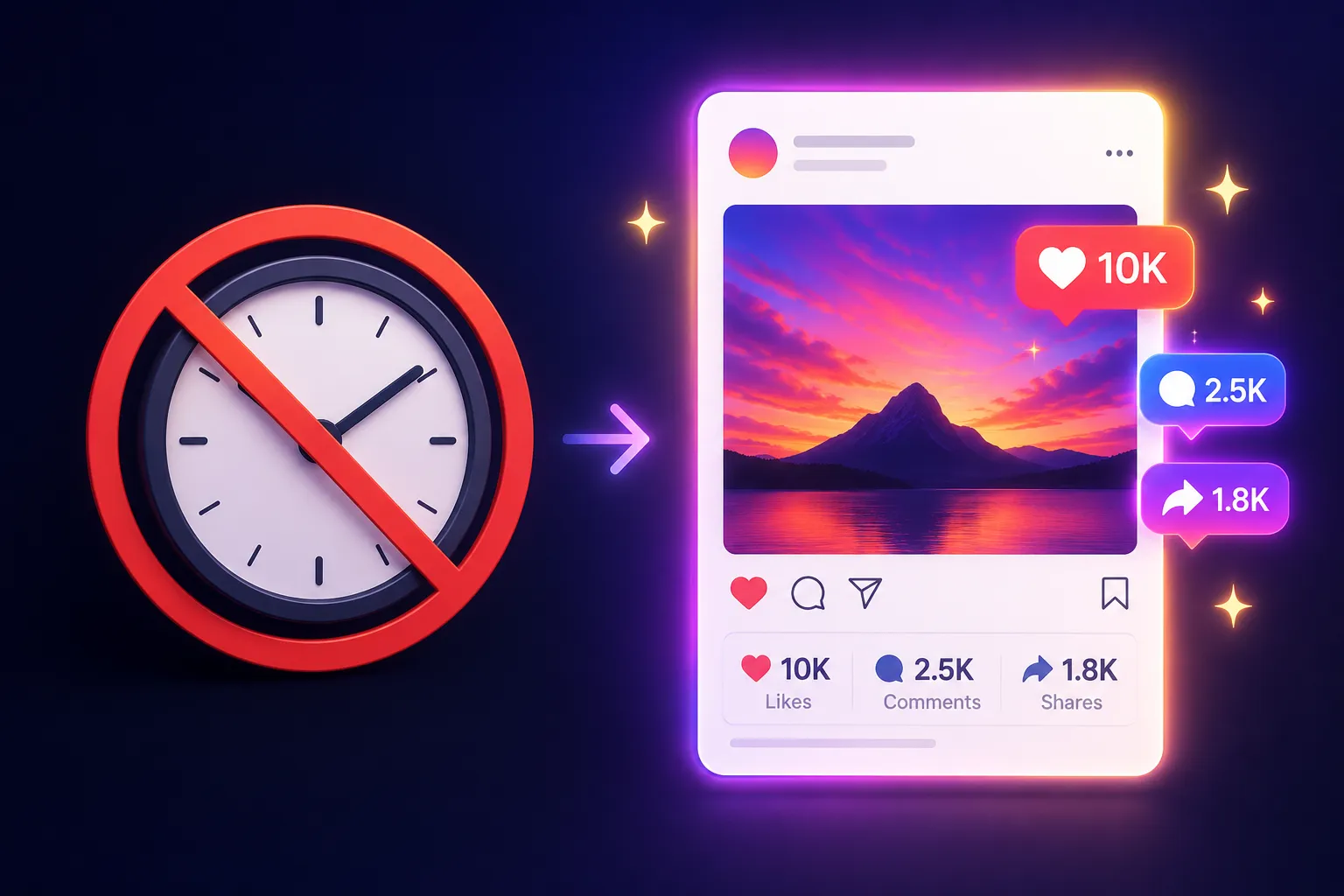
For years, one of the most common questions in social media marketing has been: "What's the best time to post?" Marketers have obsessed over it. Tools have [...]
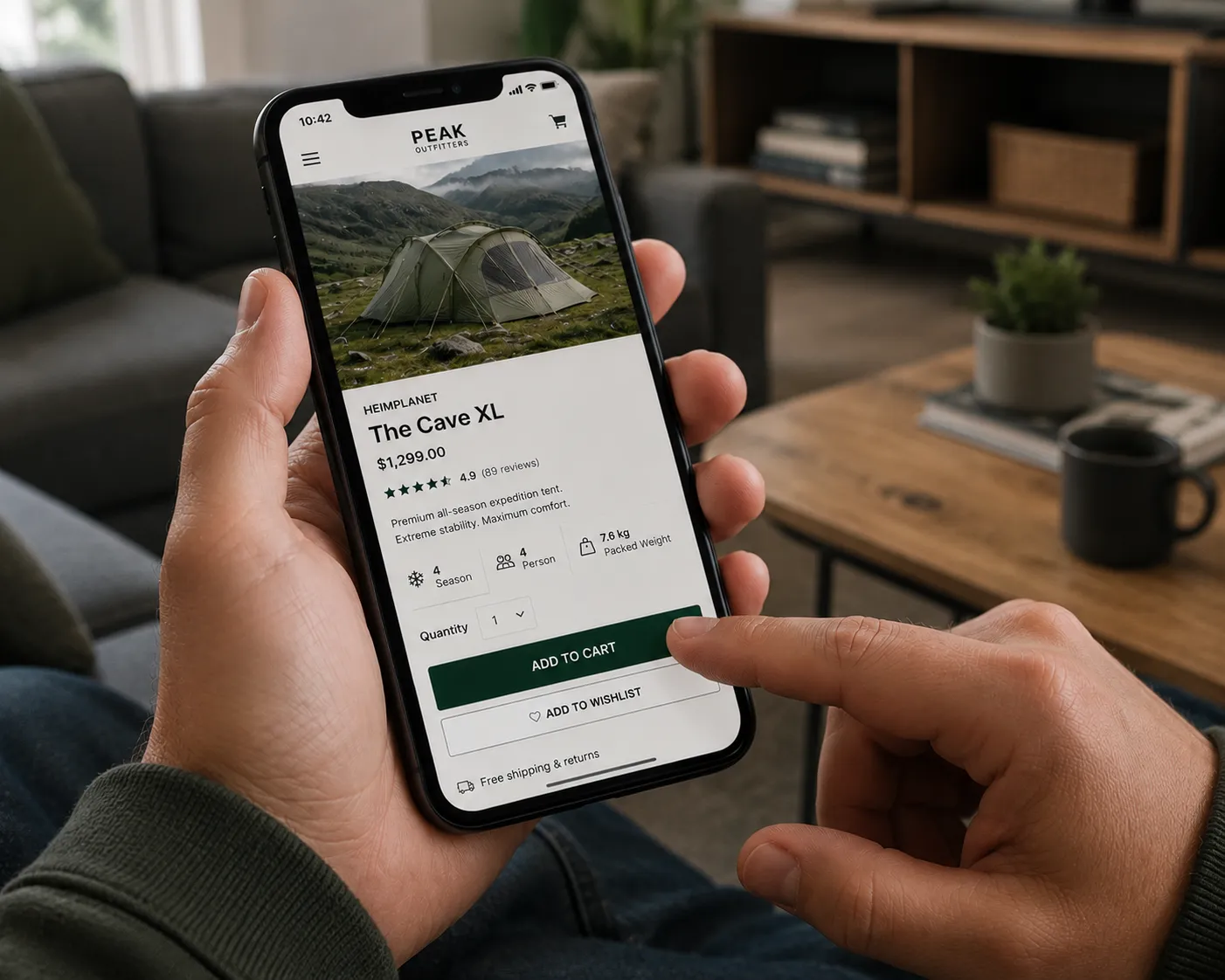
If you're running an EOFY sale right now and the results feel quieter than expected, you're not alone. The market is subdued — we're seeing it across [...]

The FIFA World Cup 2026 is here, the Socceroos are winning, and Australian football fever is well and truly in the air. But beyond the goals and [...]
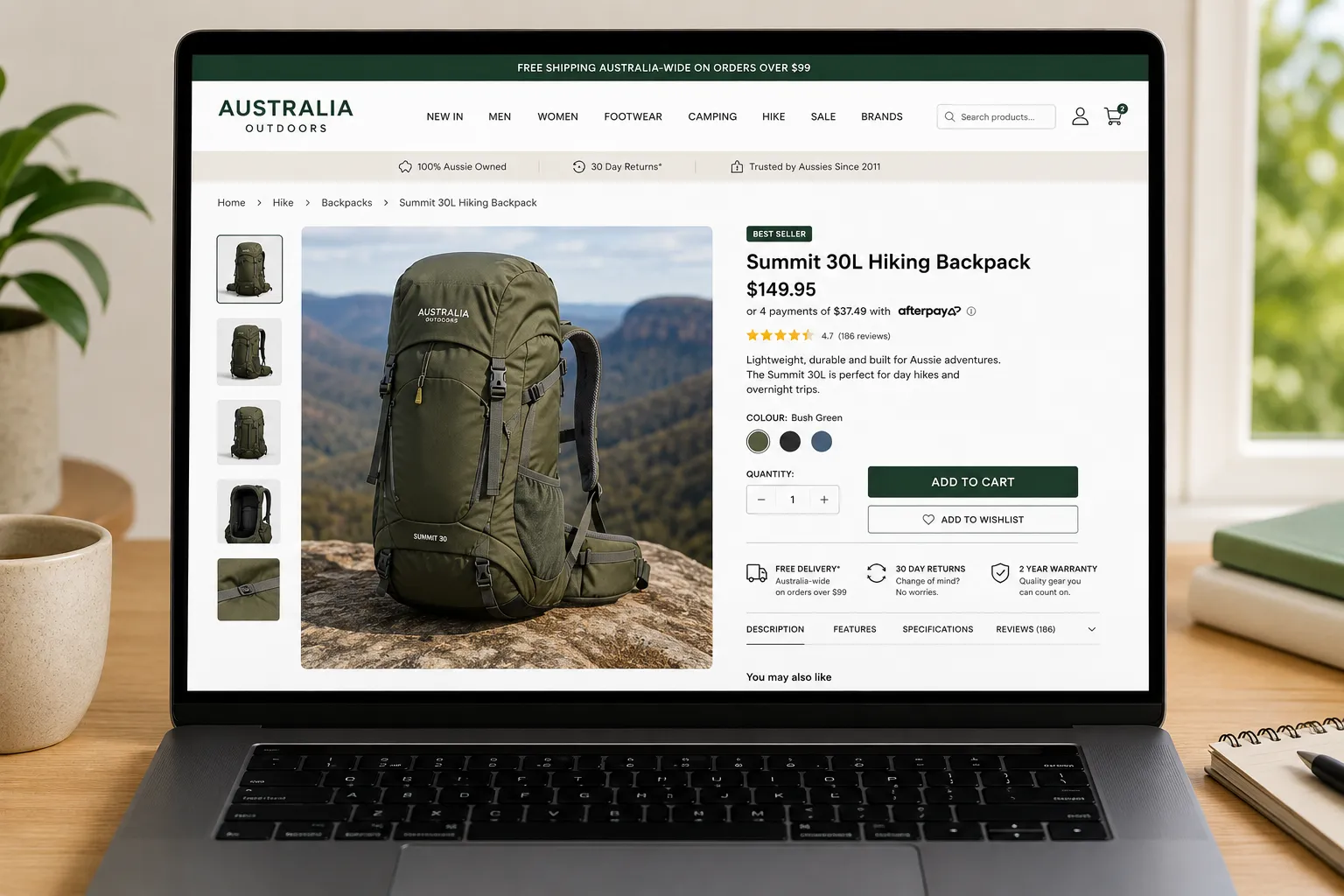
There was a stat shared at the Digital Marketers Australia Conference recently that's hard to ignore: 1 in 3 visits to your website now start directly on [...]

Your audience doesn't want another ad. They want a reason to care. In a world saturated with ads, polished campaigns and endless promotional content, consumers are tuning [...]
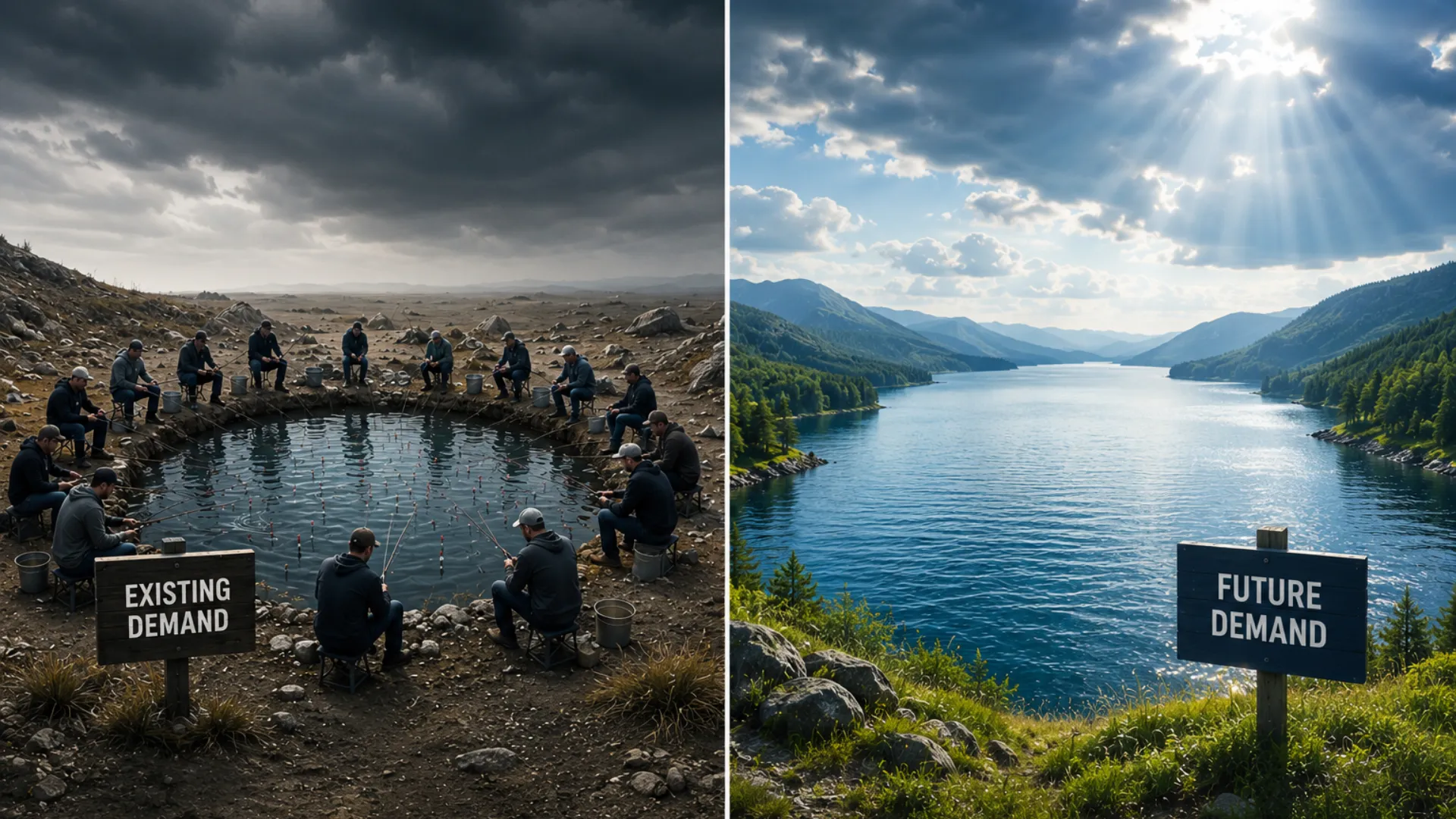
For a lot of advertisers, success is defined by one thing: Did it convert? If the answer is no, the campaign gets questioned. Budget gets cut. And [...]

If your social media campaign only has One image,One video,One message. Launched. Judged. Switched off. Usually a conclusion is drawn:“Paid ads don’t work for us.” But the [...]
Open your inbox right now. Chances are it's full of beautifully designed emails with branded headers, colourful buttons, perfectly placed product images and carefully chosen fonts. Now [...]
If you're still writing blog posts that build slowly to a big finish, we hate to break it to you but AI isn't reading that far. A [...]
Every month, the same social media questions surface across client calls, emails and workshops. Not always the same words, but the same underlying worry: are we doing [...]
For years, one of the most common questions in social media marketing has been: "What's the best time to post?" Marketers have obsessed over it. Tools have [...]
If you're running an EOFY sale right now and the results feel quieter than expected, you're not alone. The market is subdued — we're seeing it across [...]
The FIFA World Cup 2026 is here, the Socceroos are winning, and Australian football fever is well and truly in the air. But beyond the goals and [...]
There was a stat shared at the Digital Marketers Australia Conference recently that's hard to ignore: 1 in 3 visits to your website now start directly on [...]
Your audience doesn't want another ad. They want a reason to care. In a world saturated with ads, polished campaigns and endless promotional content, consumers are tuning [...]
For a lot of advertisers, success is defined by one thing: Did it convert? If the answer is no, the campaign gets questioned. Budget gets cut. And [...]
If your social media campaign only has One image,One video,One message. Launched. Judged. Switched off. Usually a conclusion is drawn:“Paid ads don’t work for us.” But the [...]