It’s been a quieter period than usual.
Enquiries have slowed.
Sales cycles are stretching.
Decision-making is taking longer.
Like many businesses right now, one of our clients has been feeling the effects of the broader economic climate.
So we stuck to the plan.
Consistent activity.
Regular touchpoints.
Nothing reactive. Nothing desperate.
Just showing up.
A routine campaign… with an unexpected result
As part of that consistency, we sent a standard email campaign to their database.
No major promotion.
No heavy discounting.
No “this will change everything” expectations.
Just a simple reminder that the brand exists.
That evening, a sale came through. But here’s the interesting part: It wasn’t for the product featured in the email.
The Email Didn’t Sell the Product
It triggered the purchase. The customer didn’t see the email and think, “I want that.”
They saw the email and thought, “I need to buy from them.”
That distinction matters. Because in this case, the campaign didn’t create demand. It captured it.
> Read Why Email Marketing Is More Effective Than Ever
Marketing isn’t always linear (even if we want it to be)
We like to think marketing works like this:
See Product → Click → Buy Product
But in reality, it looks more like this:
See something → Remember the brand → Come back later → Buy something else
Customers don’t move in straight lines. They move in moments. And your job isn’t to perfectly control those moments. It’s to show up in them.
> Read Journey Marketing: Turning Email Engagement into Conversion
Visibility beats precision
There’s a common trap in marketing, especially during slower periods.
We start overthinking the message.
Is this the right product?
Is this the right offer?
Is this what people want right now?
But this example is a reminder: You don’t need perfect alignment between message and purchase.
You need presence. Because when someone is ready to buy, they rarely go searching for the perfectly matched campaign. They go with the brand that’s top of mind.
The real risk of “quiet periods”
When things slow down, the instinct is to pull back.
Pause campaigns.
Send fewer emails.
Wait until demand picks up again.
But that creates a bigger problem. You disappear. And when you disappear, you’re no longer in consideration when buying decisions happen. Not because you weren’t the best option. But because you weren’t there.
Demand hasn’t vanished
It’s just more sporadic.
More considered.
More delayed.
Less predictable.
Which means:
- You can’t rely on perfectly timed campaigns
- You can’t rely on short-term bursts of activity
You need consistency. Because you don’t know when someone is going to be ready. But you can control whether you’re visible when they are.
- All
- AI Search & Marketing
- Digital Marketing
- Digital Strategy
- Ecommerce
- Google Analytics
- Instagram Stories
- Marketing
- Meta
- Search Engine Marketing
- Search Engine Optimisation
- Social Media
- Social Media
- Social Media Advertising
- Social Media Marketing
- Social Media Strategy
- Uncategorized
The FIFA World Cup 2026 is here, the Socceroos are winning, and Australian football fever is well and truly in the air. But beyond the goals and [...]
There was a stat shared at the Digital Marketers Australia Conference recently that's hard to ignore: 1 in 3 visits to your website now start directly on [...]

Your audience doesn't want another ad. They want a reason to care. In a world saturated with ads, polished campaigns and endless promotional content, consumers are tuning [...]
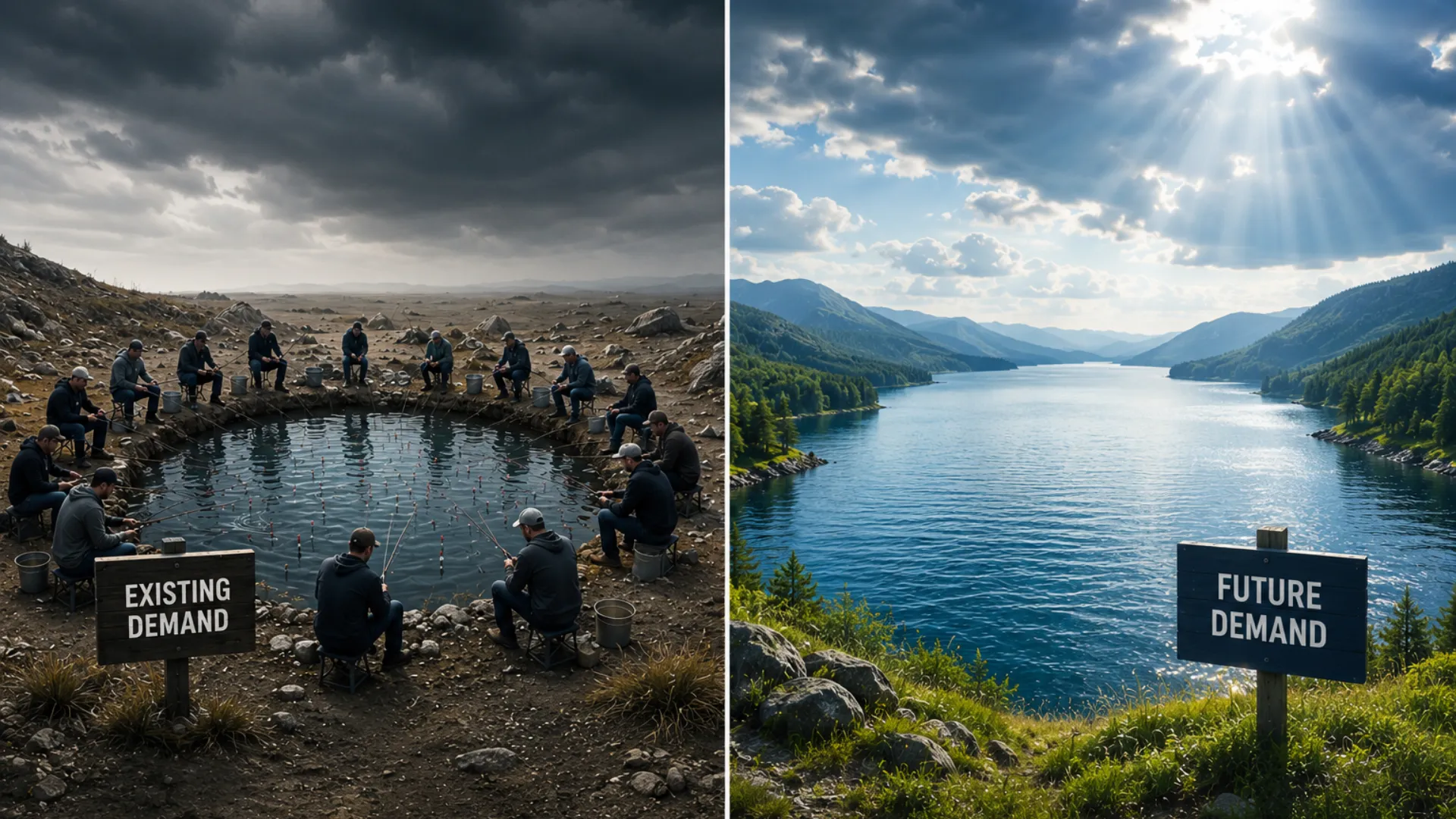
For a lot of advertisers, success is defined by one thing: Did it convert? If the answer is no, the campaign gets questioned. Budget gets cut. And [...]
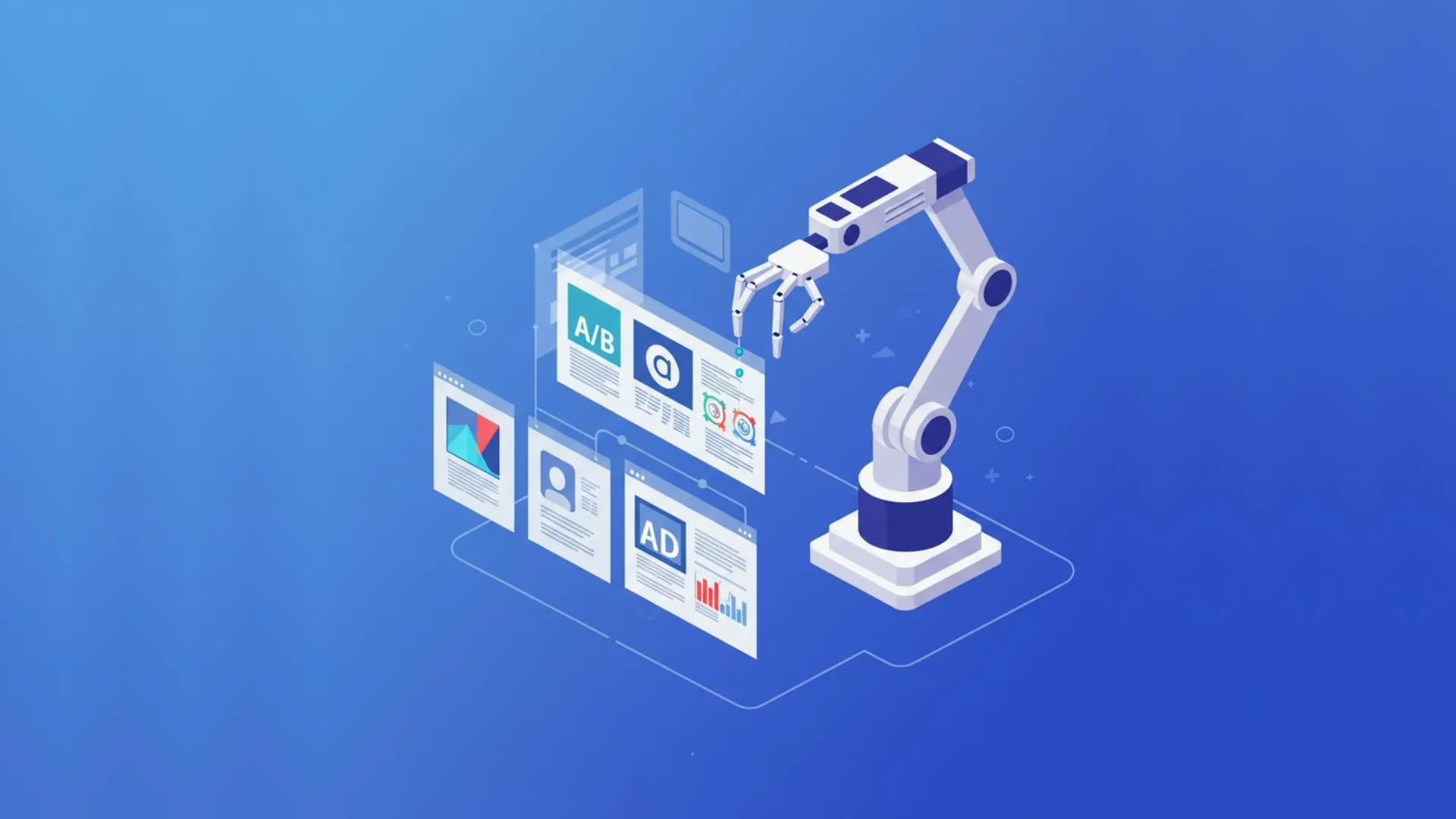
If your social media campaign only has One image,One video,One message. Launched. Judged. Switched off. Usually a conclusion is drawn:“Paid ads don’t work for us.” But the [...]
Short answer: Yes. Blogs aren’t just for Google anymore Blogs always had a clear onjective: Rank for keywords → drive traffic → generate leads. And while that [...]
It’s been a quieter period than usual. Enquiries have slowed.Sales cycles are stretching.Decision-making is taking longer. Like many businesses right now, one of our clients has been [...]
For a long time, marketing worked in bursts. Campaign launches.Sales periods.Quarterly pushes. Then… silence. That model made sense when attention was predictable. But that's no longer the [...]

For years, social media worked like… well, social media. You followed accounts.You saw their content.You engaged with people you knew or chose to follow. But that’s not [...]
At the end of 2025, we wrote about the rise of the Slow Social Era - the idea that audiences are becoming more intentional with how they consume [...]
The FIFA World Cup 2026 is here, the Socceroos are winning, and Australian football fever is well and truly in the air. But beyond the goals and [...]
There was a stat shared at the Digital Marketers Australia Conference recently that's hard to ignore: 1 in 3 visits to your website now start directly on [...]
Your audience doesn't want another ad. They want a reason to care. In a world saturated with ads, polished campaigns and endless promotional content, consumers are tuning [...]
For a lot of advertisers, success is defined by one thing: Did it convert? If the answer is no, the campaign gets questioned. Budget gets cut. And [...]
If your social media campaign only has One image,One video,One message. Launched. Judged. Switched off. Usually a conclusion is drawn:“Paid ads don’t work for us.” But the [...]
Short answer: Yes. Blogs aren’t just for Google anymore Blogs always had a clear onjective: Rank for keywords → drive traffic → generate leads. And while that [...]
It’s been a quieter period than usual. Enquiries have slowed.Sales cycles are stretching.Decision-making is taking longer. Like many businesses right now, one of our clients has been [...]
For a long time, marketing worked in bursts. Campaign launches.Sales periods.Quarterly pushes. Then… silence. That model made sense when attention was predictable. But that's no longer the [...]
For years, social media worked like… well, social media. You followed accounts.You saw their content.You engaged with people you knew or chose to follow. But that’s not [...]
At the end of 2025, we wrote about the rise of the Slow Social Era - the idea that audiences are becoming more intentional with how they consume [...]