Short answer: Yes.
Blogs aren’t just for Google anymore
Blogs always had a clear onjective:
Rank for keywords → drive traffic → generate leads.
And while that model still technically exists, it’s no longer the whole picture.
Today, people aren’t just searching on Google anymore. They’re broadening their search using tools like ChatGPT, Perplexity AI and Google’s AI-powered results.
And here’s the kicker:
These platforms don’t just link to content. They interpret it. Summarise it. Learn from it.
If your content isn’t part of that ecosystem, you’re invisible in a whole new layer of discovery.
Blogs have become your “source material”
It’s time to change the way you think about blogs.
They’re no longer just a destination for users. They’ve become training data for discovery engines.
When AI tools generate answers, they look for:
- Clear explanations
- Structured information
- Topical authority
- Consistent publishing signals
That’s exactly what a good blog provides.
Authority is the new ranking factor
In an AI search world, authority compounds. Publishing one blog won’t move the needle. But publishing consistently on a topic?
That’s how you become:
- The source AI tools trust
- The brand users recognise
- The business that shows up again and again
It’s no longer about ranking for a single keyword. It’s about owning a topic.
Familiarity still wins (maybe more than ever)
One thing that hasn’t changed:
People trust what they recognise.
Even if AI gives someone an answer, they still:
- Look for validation
- Cross-check sources
- Click through when something feels credible
If your brand keeps appearing – across blogs, search, AI answers – you build what psychologists call familiarity bias.
Or more simply:
“I’ve seen these guys before.”
And that matters.
Blogs power more than just SEO
One of the biggest mistakes businesses make is viewing blogs as “just SEO content.”
In reality, a single blog can fuel:
- Social media posts
- Email newsletters
- Ad creative angles
- Sales conversations
- Website internal linking
It’s not just content.
It’s content infrastructure.
Shifting from keywords to coverage
Old approach:
- Target a keyword
- Write one blog
- Hope it ranks
New approach:
- Pick a topic
- Build multiple supporting articles
- Create depth and context
This is how you signal to both search engines and AI: “We know this space.”
Blogs have gained responsibility
The brands that win in this next phase will be the ones with the most understood, trusted and widely referenced content.
And that starts with your blog.
- All
- AI Search & Marketing
- Digital Marketing
- Digital Strategy
- Ecommerce
- Google Analytics
- Instagram Stories
- Marketing
- Meta
- Search Engine Marketing
- Search Engine Optimisation
- Social Media
- Social Media
- Social Media Advertising
- Social Media Marketing
- Social Media Strategy
- Uncategorized
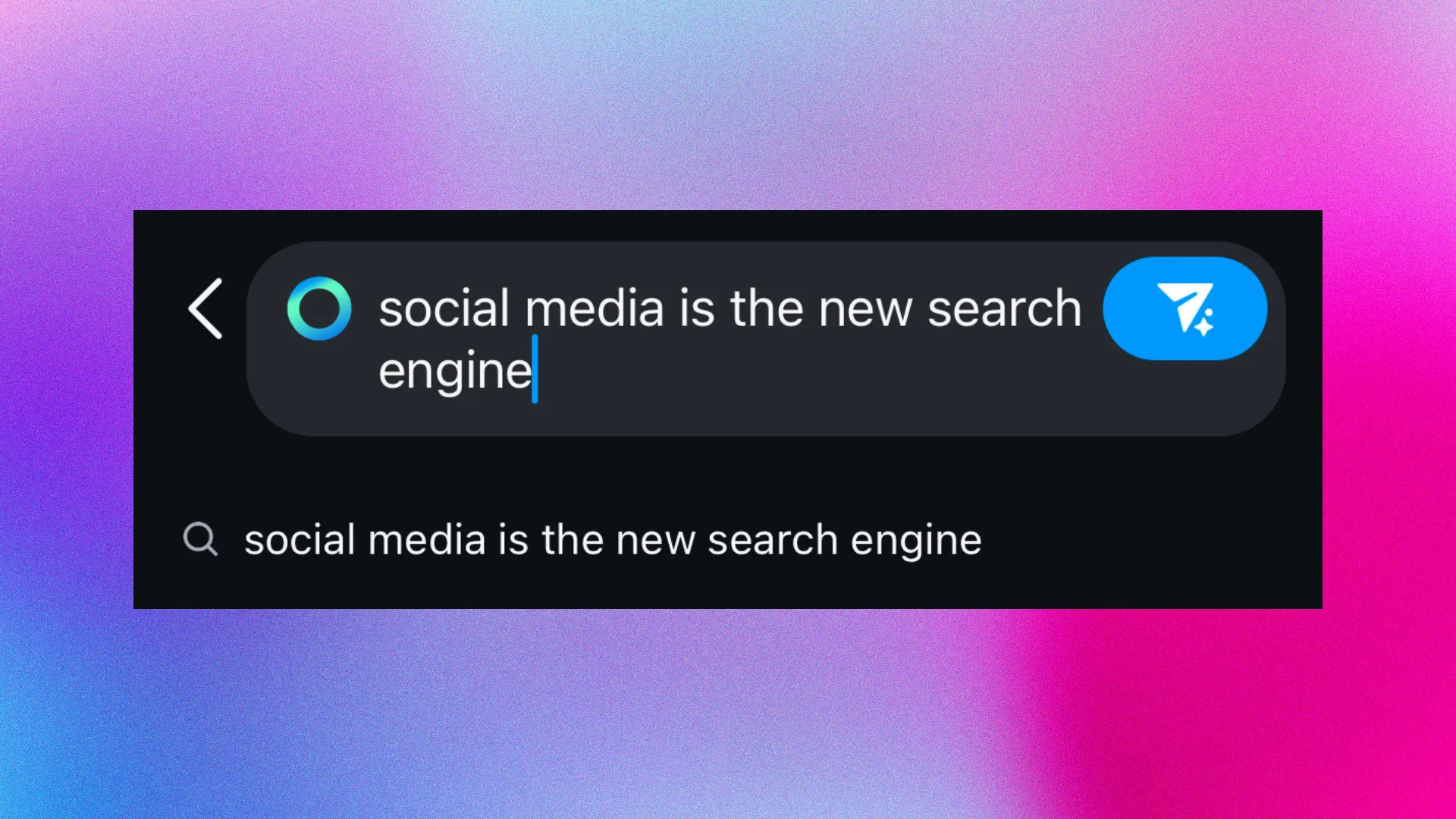
In our last article, we explored the rise of zero-click searches and its impact on how we find information online. This shift in user behaviour has also [...]

One of our biggest takeaways from State of Social 2024 was the evolution of zero-click searches and the impact it will have on the way we do [...]

Have you noticed a drop in engagement on your brand’s Instagram posts? Likes not flowing as much as what they used to? The good news is you’re [...]
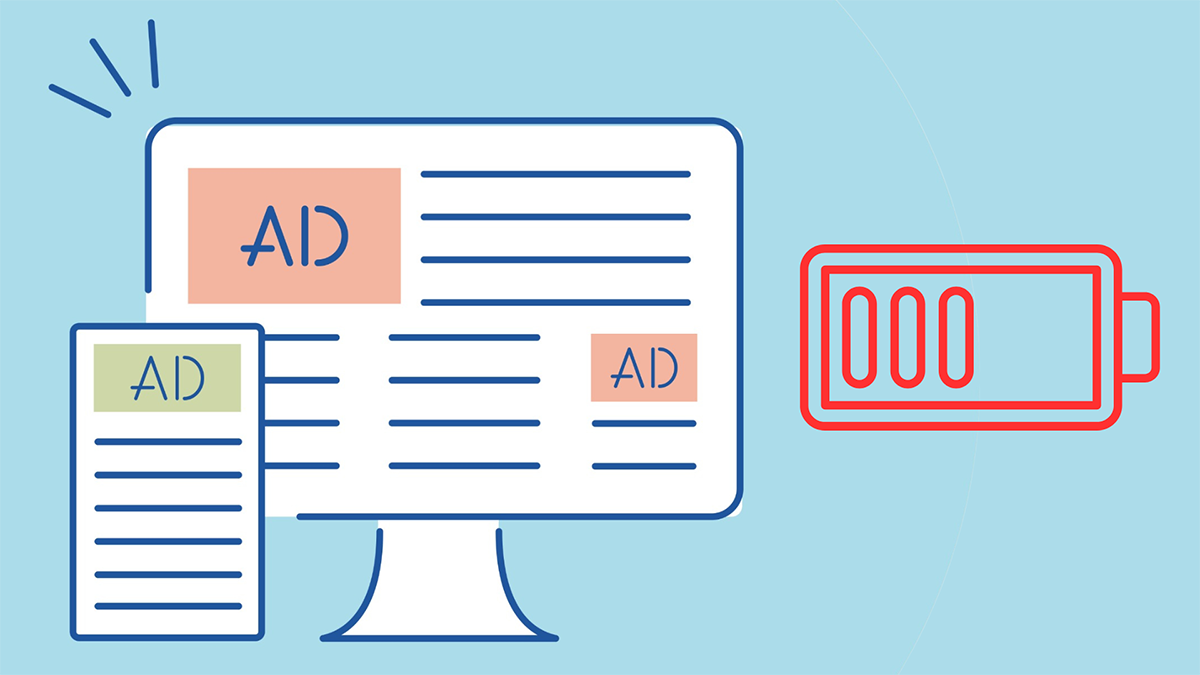
Did you know that after approximately 4 exposures to your ad, your conversions can drop by almost half? As Meta increasingly emphasises broad targeting, the effectiveness of [...]
This year has been challenging for both businesses and consumers, with rising cost-of-living pressures leading to shifts in retail habits. During these quieter times, it’s crucial to [...]
When it comes to protecting your intellectual property (IP), it’s essential to understand the distinctions between copyright and trade marks, as each serves a unique purpose in safeguarding your creative and business assets.

If you’ve recently created a paid campaign on Facebook (or Meta as it’s now known), you’ve probably noticed the platform is trying to skew you towards using [...]

The results from our Audience Intelligence Reports for Q2 have incited some interesting conversations amongst our team. For those of you who don’t know, our quarterly Audience [...]
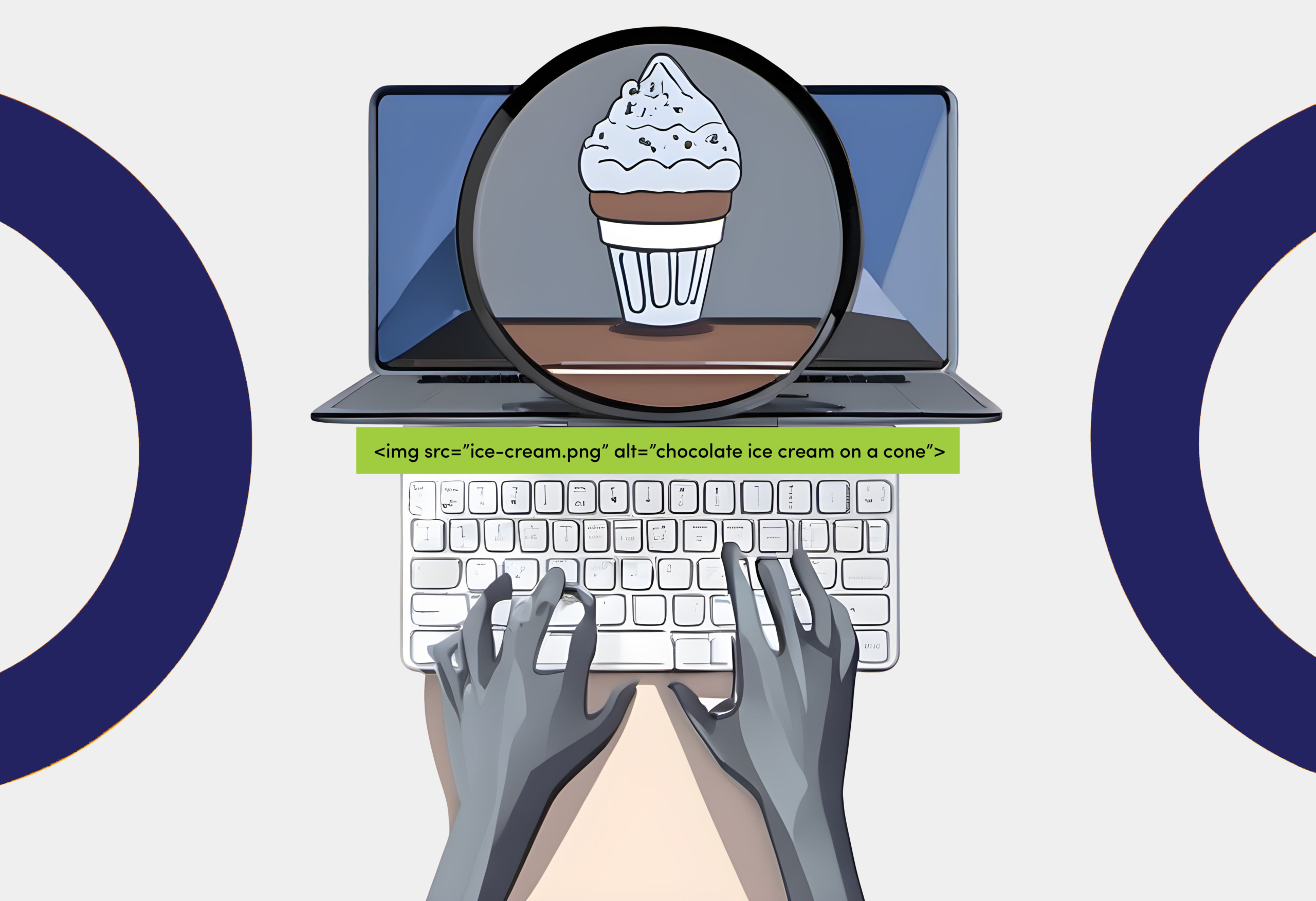
If you’ve been following our tips to improve your website and social media accessibility, you will have seen us harp on about the importance of image alt [...]

Developing an inclusive website accessible to people with diverse abilities is not only best practice, but pivotal to user experience (UX). With 1-in-6 Australians living with a [...]
In our last article, we explored the rise of zero-click searches and its impact on how we find information online. This shift in user behaviour has also [...]
One of our biggest takeaways from State of Social 2024 was the evolution of zero-click searches and the impact it will have on the way we do [...]
Have you noticed a drop in engagement on your brand’s Instagram posts? Likes not flowing as much as what they used to? The good news is you’re [...]
Did you know that after approximately 4 exposures to your ad, your conversions can drop by almost half? As Meta increasingly emphasises broad targeting, the effectiveness of [...]
This year has been challenging for both businesses and consumers, with rising cost-of-living pressures leading to shifts in retail habits. During these quieter times, it’s crucial to [...]
When it comes to protecting your intellectual property (IP), it’s essential to understand the distinctions between copyright and trade marks, as each serves a unique purpose in safeguarding your creative and business assets.
If you’ve recently created a paid campaign on Facebook (or Meta as it’s now known), you’ve probably noticed the platform is trying to skew you towards using [...]
The results from our Audience Intelligence Reports for Q2 have incited some interesting conversations amongst our team. For those of you who don’t know, our quarterly Audience [...]
If you’ve been following our tips to improve your website and social media accessibility, you will have seen us harp on about the importance of image alt [...]
Developing an inclusive website accessible to people with diverse abilities is not only best practice, but pivotal to user experience (UX). With 1-in-6 Australians living with a [...]