When you see a paid ad, nine times out of ten, you’re probably not clicking on it. Instead, you’ll likely hop over to Google, search the brand name and start your own research.
But here’s the problem – most marketers still think in this overly simplified sequence:
-
User clicks on ad
-
User goes to landing page
-
User converts
It feels logical but it’s rarely how it happens in the real world.
The attribution bias problem
The psychological trap here is called attribution bias – our tendency to oversimplify how we connect actions to causes.
When it comes to advertising, we want to believe a single ad caused a single click that caused a single sale.
The reality? People don’t behave in neat, trackable lines.
The messy reality of how people respond to ads
Not all advertising triggers an immediate response, and even when it does, the path is rarely direct.
Let’s say you sell high-end office chairs. If somone saw your ad and happened to be in the market for better ergonomics, here’s what might actually happen:
-
They type your brand name into their browser (instead of clicking the ad)
-
Take a screenshot or bookmark it so they remember the brand later
-
Watch the video in-channel but don’t leave the platform
-
Save the ad for future reference
-
Share it with a colleague in Slack who’s also looking for a chair
-
Talk about it over coffee and they decide to Google your brand
-
See your brand again in a YouTube review a week later
-
Finally visit your site via direct traffic and make the purchase
Notice what’s missing?
Clicks.
Your ad is working, but the platform can’t directly measure it. It’s like billboards, or bus ads. They can’t be directly measured, but they put the brand in front of consumers’ faces.
Why this matters for your reporting
If you’re only looking at platform-reported conversions, you’ll underestimate your ad’s real impact. Clicks and conversions are important, but they’re only part of the story.
Your ads might be:
-
Sparking conversations
-
Driving indirect traffic
-
Influencing buying decisions weeks or months later
The most effective marketers don’t just optimise for direct clicks – they understand the broader influence of their ads.
- All
- AI Search & Marketing
- Digital Marketing
- Digital Strategy
- Ecommerce
- Google Analytics
- Instagram Stories
- Marketing
- Meta
- Search Engine Marketing
- Search Engine Optimisation
- Social Media
- Social Media
- Social Media Advertising
- Social Media Marketing
- Social Media Strategy
- Uncategorized

For years, social media worked like… well, social media. You followed accounts.You saw their content.You engaged with people you knew or chose to follow. But that’s not [...]
At the end of 2025, we wrote about the rise of the Slow Social Era - the idea that audiences are becoming more intentional with how they consume [...]
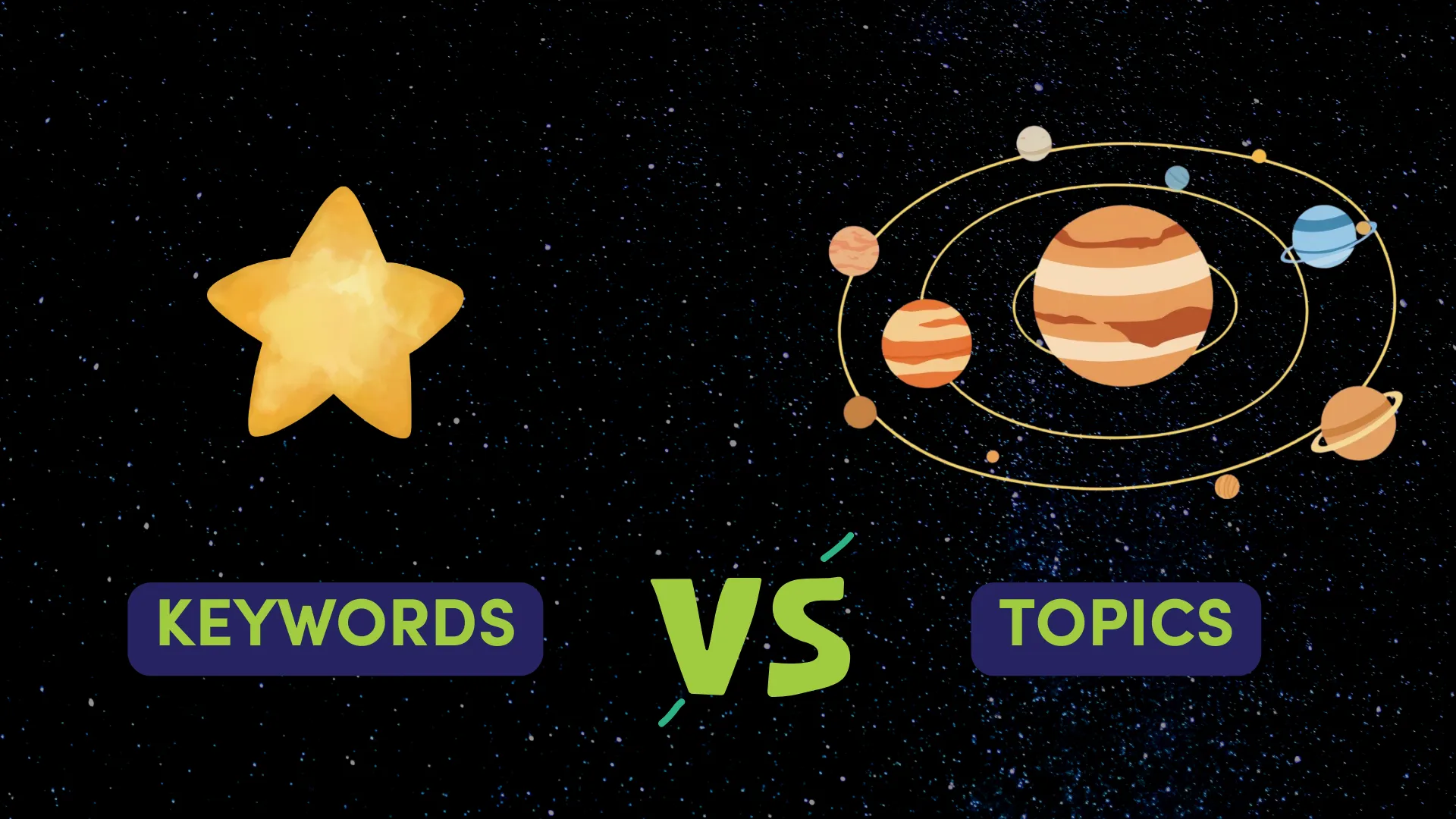
Are keywords dead? No, they’re not. But the way we use them has changed. Instead of focusing on one keyword at a time, we now need to [...]

Search is changing. For years, businesses focused on ranking in Google. If your website appeared on page one for the right keywords, customers could find you. Today, [...]

When marketers analyse ad performance, the instinct is often to focus on the obvious winners; the ads generating the most clicks, conversions or revenue. Those are the [...]
Well it's been 5 months since Google AI Mode officially launched in Australia and the effects on search behaviour, traffic patterns and SEO strategy are clearer and [...]
Most organisations are obsessed with reach - and so they should be. They want new audiences, new eyeballs, new followers - who doesn't? They pour budget into [...]
Recently we explored the Mere Exposure Effect - the psychological principle that says people tend to develop a preference for things simply because they’re familiar with them. [...]
For years, Meta ads were managed like a machine you had to constantly tweak. Adjust the bid strategy. Restructure the campaign. Turn off underperformers quickly. Optimise daily. [...]

If you're finding your Meta ads lately are becoming more expensive and less effective, the problem probably isn't your targeting or your budget. The Meta Ads algorithm [...]
For years, social media worked like… well, social media. You followed accounts.You saw their content.You engaged with people you knew or chose to follow. But that’s not [...]
At the end of 2025, we wrote about the rise of the Slow Social Era - the idea that audiences are becoming more intentional with how they consume [...]
Are keywords dead? No, they’re not. But the way we use them has changed. Instead of focusing on one keyword at a time, we now need to [...]
Search is changing. For years, businesses focused on ranking in Google. If your website appeared on page one for the right keywords, customers could find you. Today, [...]
When marketers analyse ad performance, the instinct is often to focus on the obvious winners; the ads generating the most clicks, conversions or revenue. Those are the [...]
Well it's been 5 months since Google AI Mode officially launched in Australia and the effects on search behaviour, traffic patterns and SEO strategy are clearer and [...]
Most organisations are obsessed with reach - and so they should be. They want new audiences, new eyeballs, new followers - who doesn't? They pour budget into [...]
Recently we explored the Mere Exposure Effect - the psychological principle that says people tend to develop a preference for things simply because they’re familiar with them. [...]
For years, Meta ads were managed like a machine you had to constantly tweak. Adjust the bid strategy. Restructure the campaign. Turn off underperformers quickly. Optimise daily. [...]
If you're finding your Meta ads lately are becoming more expensive and less effective, the problem probably isn't your targeting or your budget. The Meta Ads algorithm [...]