For years, follower count was treated as the ultimate measure of success on social media. More followers meant more reach, more influence and more credibility.
In 2026, that thinking is officially outdated.
Today, social media platforms don’t prioritise who you follow. They prioritise what you’re interested in. And that fundamental shift has changed how content is distributed, discovered and measured.
Social media is now driven by interests, not connections
Scroll through Instagram, TikTok, YouTube Shorts or even Facebook, and you’ll notice the same thing: much of the content you’re shown isn’t from accounts you follow at all. And that’s not accidental.
Algorithms have become far more sophisticated at identifying patterns in behaviour; what you watch, what you pause on, what you replay, what you ignore, what you comment on and what you scroll past quickly.
Instead of rewarding follower relationships, platforms now reward relevance.
If your content aligns with someone’s demonstrated interests, it can reach them regardless of whether they’ve ever heard of your brand before.
This is why follower growth is no longer a prerequisite for reach.
Followers are now context, not currency
Followers still serve a purpose, but it’s a different one.
Followers now act primarily as:
-
Social proof
-
Credibility
-
Context for new visitors
They help people answer the question: “Is this brand legitimate?”
What they don’t reliably answer anymore is:
-
How many people actually see your content
-
How engaged your audience really is
-
Whether your content performs in the algorithm
You can buy followers. You can inflate numbers. But you can’t fake attention.
What actually matters now
The metrics that truly matter in 2026 are behavioural, not cosmetic.
Platforms care about:
-
How many people watch your Reels
-
Whether they watch until the end
-
If they replay or share
-
If people reply to Stories
-
Whether comments look authentic and conversational
-
How long someone lingers on your content before scrolling
These signals tell the algorithm one thing: this content is alive.
Follower count does not.
The algorithm is watching users, not just creators
This shift doesn’t just affect brands – it affects how all of us use social media.
As users, every interaction trains the algorithm.
Liking a post isn’t just a passive action anymore. It’s a signal.
If you “like” something because it looks nice or mildly interesting, you’re telling the platform:
“Show me more of this.”
Those days of casual engagement are over.
Now, engagement is tactical.
You engage with content because you want to see more of it.
You scroll quickly past content you don’t want repeated – even if it’s something you’re loosely interested in.
And if you really want to reset your feed, you use the “Do not show me posts like this again” option that every major platform now offers.
The algorithm learns fast. And it listens.
The LinkedIn exception
You could argue that follower count still holds more weight on LinkedIn.
The algorithm is less generous. Distribution is more tightly connected to your network. And follower size can influence initial visibility more than on entertainment-driven platforms.
But even LinkedIn is moving in the same direction.
Posts that generate real discussion, meaningful comments and time-on-post continue to outperform posts shared to large but passive audiences.
The gap is narrowing.
The real metric: how engaged is your audience?
Followers are no longer the headline metric. They’re background context.
What matters is:
-
Are people watching?
-
Are they staying?
-
Are they responding?
-
Are they coming back?
Because attention is the one thing you can’t manufacture.
And in a landscape driven by algorithms, attention is everything.
- All
- AI Search & Marketing
- Digital Marketing
- Digital Strategy
- Ecommerce
- Google Analytics
- Instagram Stories
- Marketing
- Meta
- Search Engine Marketing
- Search Engine Optimisation
- Social Media
- Social Media
- Social Media Advertising
- Social Media Marketing
- Social Media Strategy
- Uncategorized

We often hear that attention spans are decreasing, particularly among Gen Z. Social media platforms like TikTok and Instagram are often blamed, with headlines suggesting that endless [...]
Google has started rolling out its brand-new AI Mode in countries like the United States, India, Canada and even New Zealand - but not yet in Australia. [...]
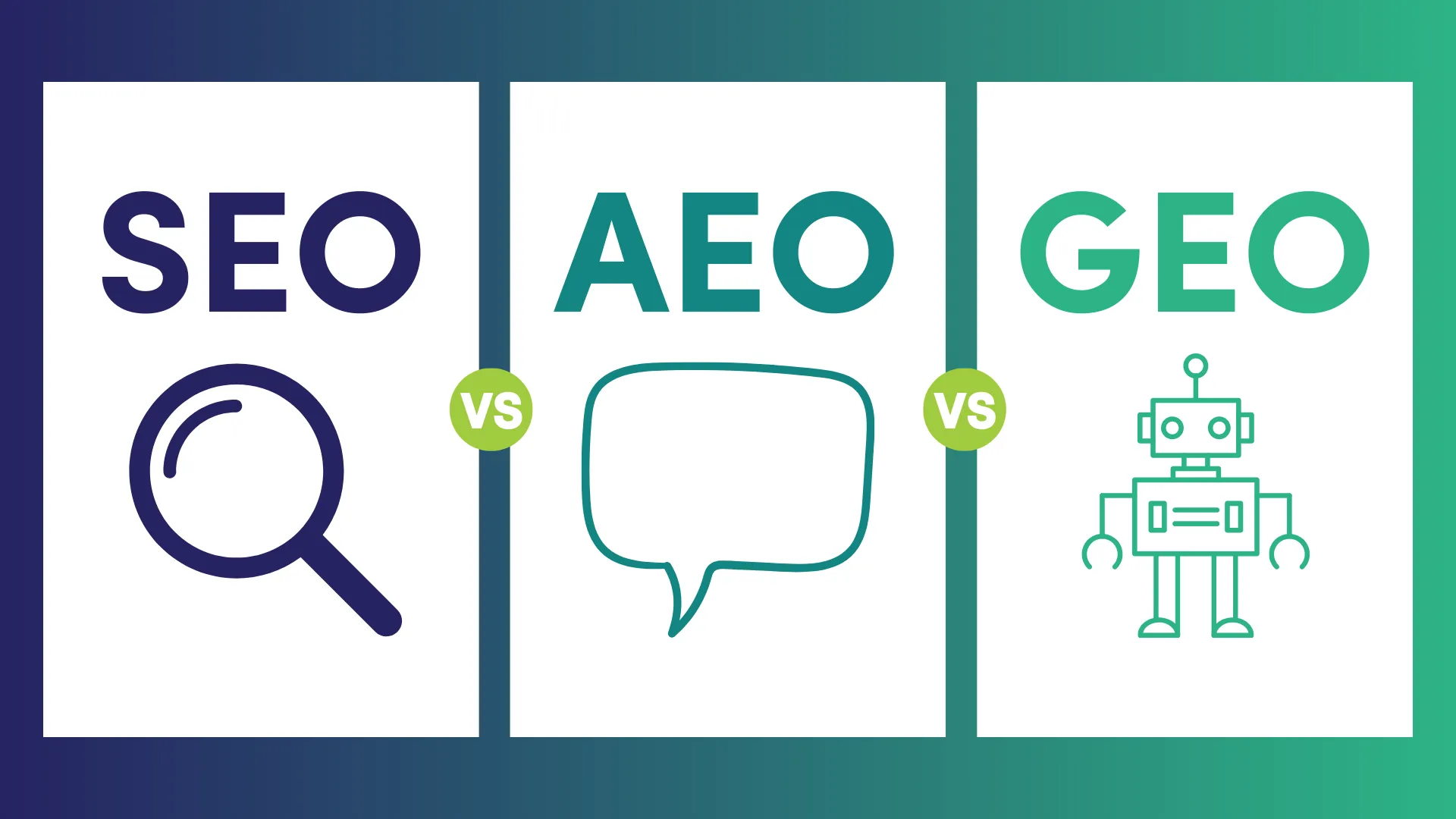
For years, Search Engine Optimisation (SEO) was the golden rule of digital marketing. Optimise keywords. Earn backlinks. Climb the rankings. But the way people find answers is [...]
When you see a paid ad, nine times out of ten, you're probably not clicking on it. Instead, you'll likely hop over to Google, search the brand [...]

In digital advertising, audience targeting has always been both an art and a science. But what if the science just got smarter - a lot smarter? We’ve [...]
With attention spans getting shorter and competition fiercer, brands are constantly searching for that magic formula to stand out. But the answer isn’t always a bold campaign [...]
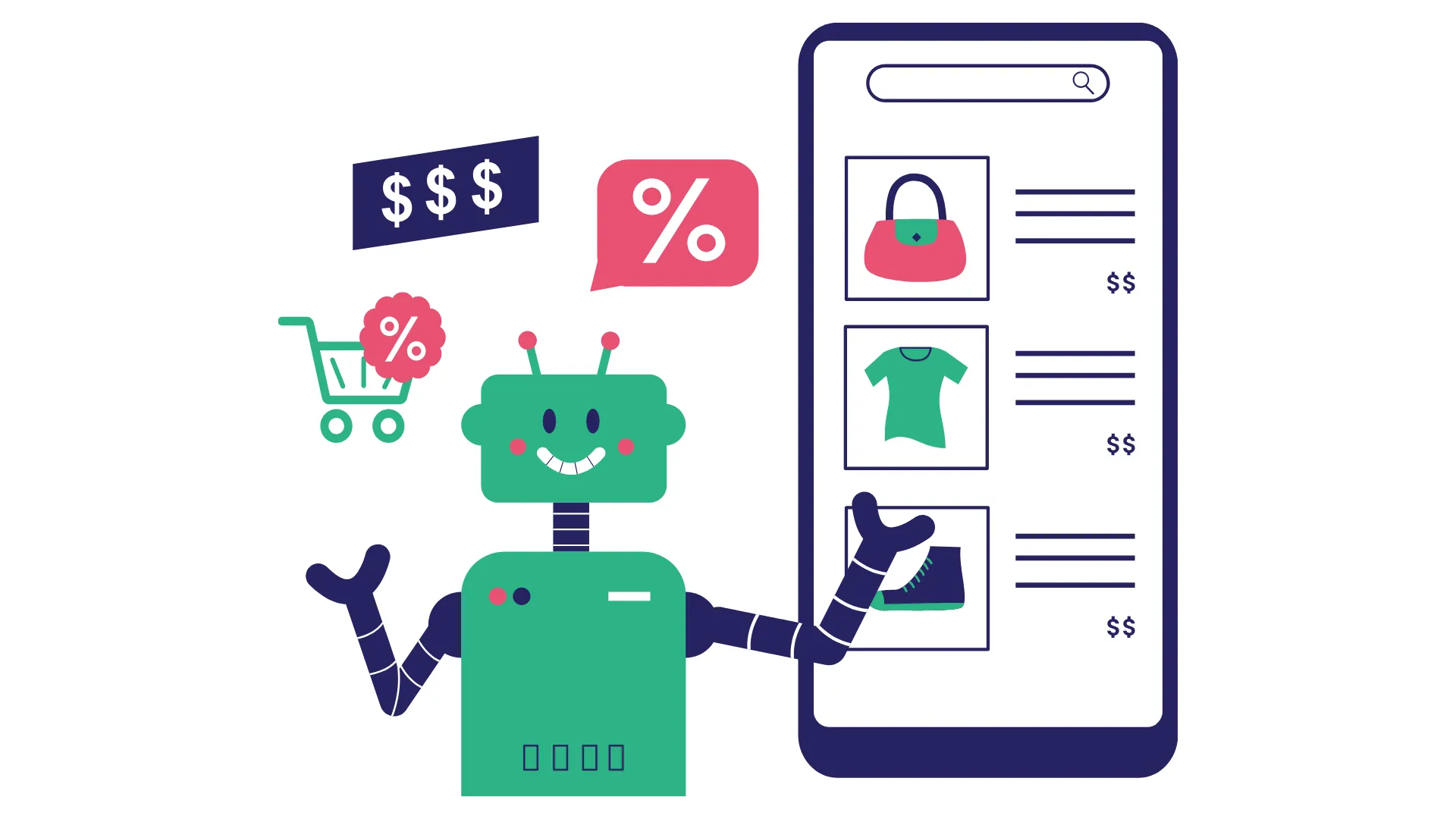
A billion searches were made on ChatGPT last week alone. Now, OpenAI is turning those queries into a powerful new retail experience. ChatGPT recently launched its AI [...]

Google’s AI Overviews are reshaping search by pulling answers from the places people are actually talking: Reddit, YouTube, Quora and other community-driven platforms. According to new data [...]
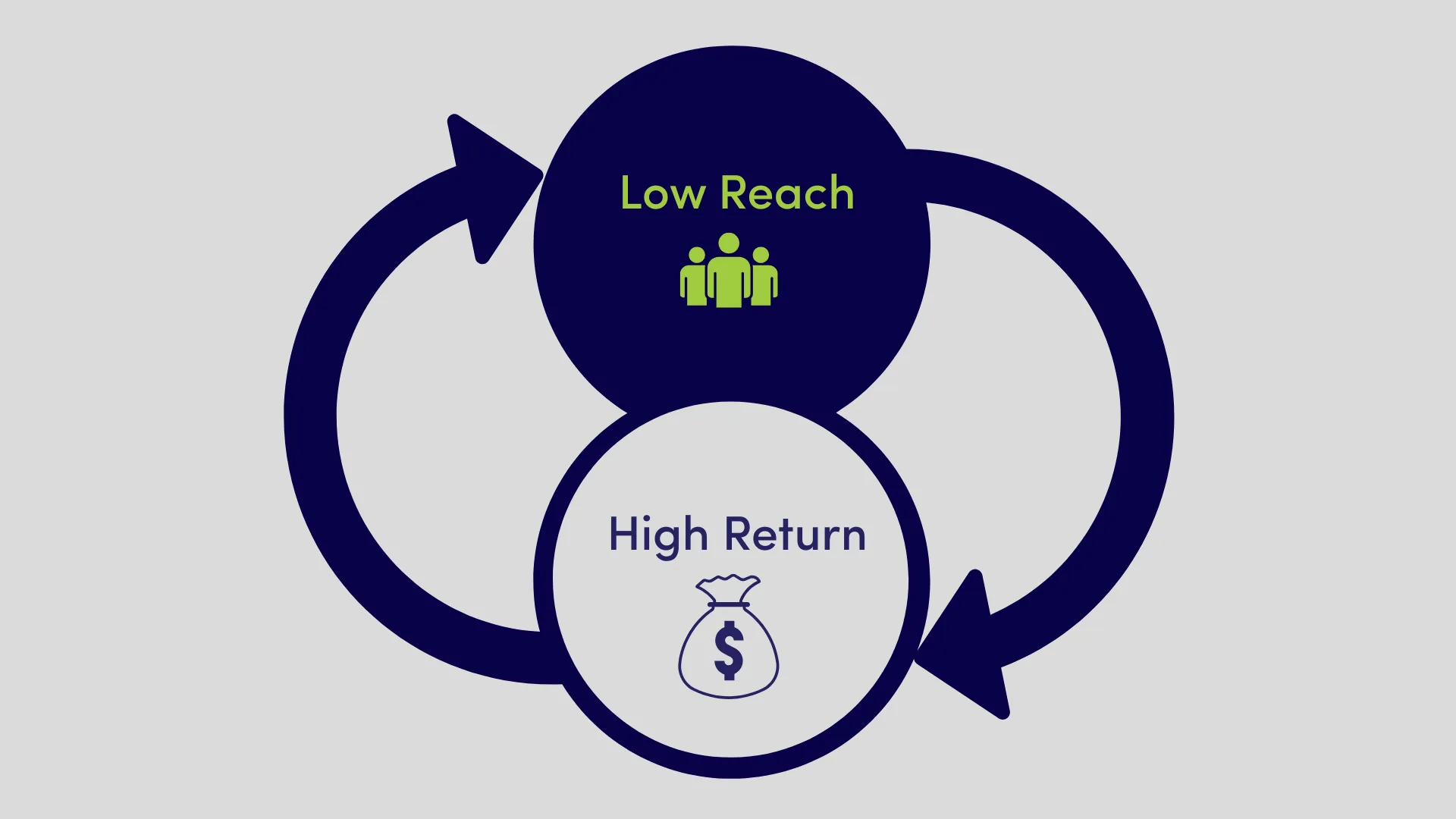
We recently posted a simple promotion on a client’s social media account. It was about a niche product - nothing flashy, not designed to go viral, just [...]
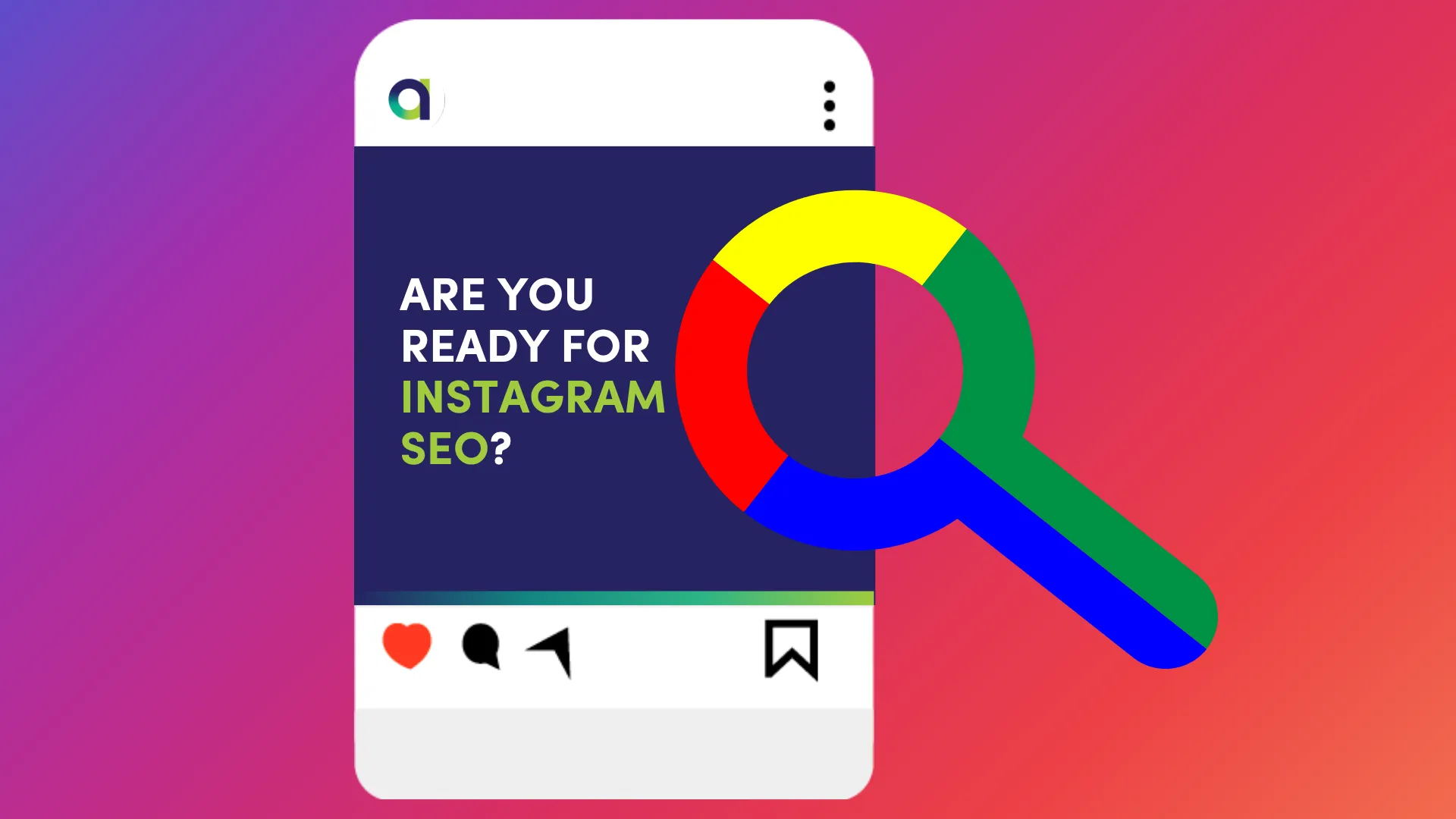
Starting July 10, 2025, public posts from professional Instagram accounts will start appearing in Google search results. That means your photos, Reels and videos could soon show [...]
We often hear that attention spans are decreasing, particularly among Gen Z. Social media platforms like TikTok and Instagram are often blamed, with headlines suggesting that endless [...]
Google has started rolling out its brand-new AI Mode in countries like the United States, India, Canada and even New Zealand - but not yet in Australia. [...]
For years, Search Engine Optimisation (SEO) was the golden rule of digital marketing. Optimise keywords. Earn backlinks. Climb the rankings. But the way people find answers is [...]
When you see a paid ad, nine times out of ten, you're probably not clicking on it. Instead, you'll likely hop over to Google, search the brand [...]
In digital advertising, audience targeting has always been both an art and a science. But what if the science just got smarter - a lot smarter? We’ve [...]
With attention spans getting shorter and competition fiercer, brands are constantly searching for that magic formula to stand out. But the answer isn’t always a bold campaign [...]
A billion searches were made on ChatGPT last week alone. Now, OpenAI is turning those queries into a powerful new retail experience. ChatGPT recently launched its AI [...]
Google’s AI Overviews are reshaping search by pulling answers from the places people are actually talking: Reddit, YouTube, Quora and other community-driven platforms. According to new data [...]
We recently posted a simple promotion on a client’s social media account. It was about a niche product - nothing flashy, not designed to go viral, just [...]
Starting July 10, 2025, public posts from professional Instagram accounts will start appearing in Google search results. That means your photos, Reels and videos could soon show [...]