AI tools like ChatGPT, Google Gemini and Perplexity are quickly becoming part of how people discover websites. Instead of searching Google directly, users are asking AI tools questions – and sometimes, those tools recommend your site.
But here’s the catch: GA4 doesn’t yet have a neat “AI traffic” channel – at least not yet anyway. If you don’t filter it out (or isolate it), AI referrals will get lumped into referrals or organic search, making it difficult to measure the impact.
But, you can create a custom segment in GA4 to track traffic coming from AI tools. Let’s show you how.
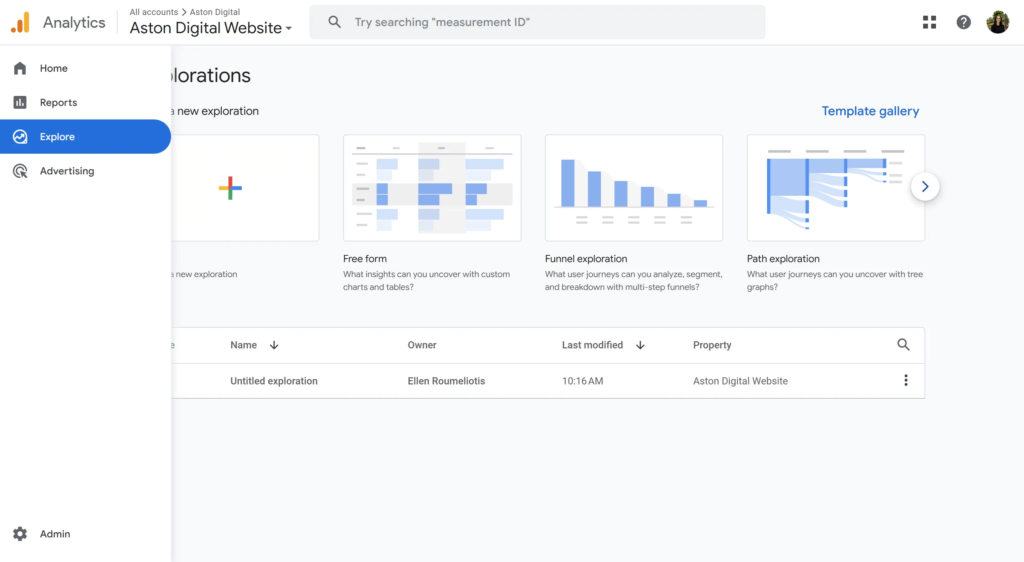
Step 1: Open GA4 Explorations
-
Log in to your GA4 property.
-
In the left-hand menu, click Explore.
-
Click + Create new exploration.
Step 2: Build a Segment for AI Tools
-
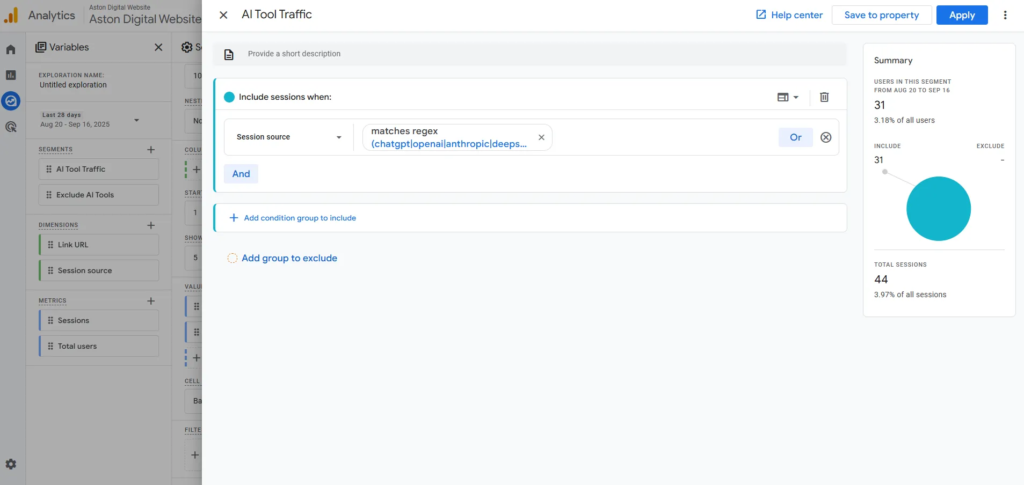
In your new exploration, click Add segment.
-
Choose Session segment.
-
Under Condition, select Session source/medium.
-
Change the match type to matches regex.
-
Paste in the following regex and click save:
(chatgpt|openai|anthropic|deepseek|grok).com|(gemini|bard).google.com|(perplexity|claude).ai|(copilot.microsoft|edgeservices.bing).com|edge\scopilot
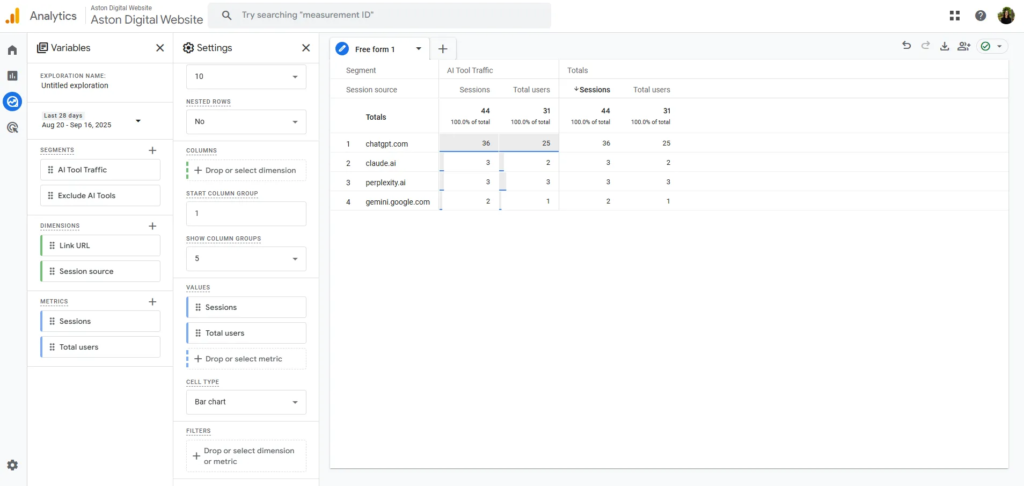
This regex captures traffic from:
-
ChatGPT (when it links to your site)
-
Google Gemini
-
Perplexity search
-
Claude’s browsing
-
Bing Copilot
-
You.com AI search
-
Anthropic
Step 3: Create Two Segments
To get the most out of this analysis, you can create both:
-
AI Tool Traffic: Shows only visits from AI tools (what we’ve created above)
-
Exclude AI Tools: Filters them out so your “traditional” traffic analysis isn’t skewed
Step 4: Analyse the Behaviour
Once applied, you can compare how AI-referred users behave versus your other channels.
Why is this important?
It’s a whole new channel of discovery that didn’t exist two years ago.
Your attribution models don’t yet account for AI referrals. But with this setup, you can start measuring it and get ahead of the curve.
Need help setting this up or interpreting the results? Get in touch with our team to uncover what AI-driven discovery means for your business.
- All
- AI Search & Marketing
- Digital Marketing
- Digital Strategy
- Ecommerce
- Google Analytics
- Instagram Stories
- Marketing
- Meta
- Search Engine Marketing
- Search Engine Optimisation
- Social Media
- Social Media
- Social Media Advertising
- Social Media Marketing
- Social Media Strategy
- Uncategorized

For a long time, marketing worked in bursts. Campaign launches.Sales periods.Quarterly pushes. Then… silence. That model made sense when attention was predictable. But that's no longer the [...]

For years, social media worked like… well, social media. You followed accounts.You saw their content.You engaged with people you knew or chose to follow. But that’s not [...]
At the end of 2025, we wrote about the rise of the Slow Social Era - the idea that audiences are becoming more intentional with how they consume [...]
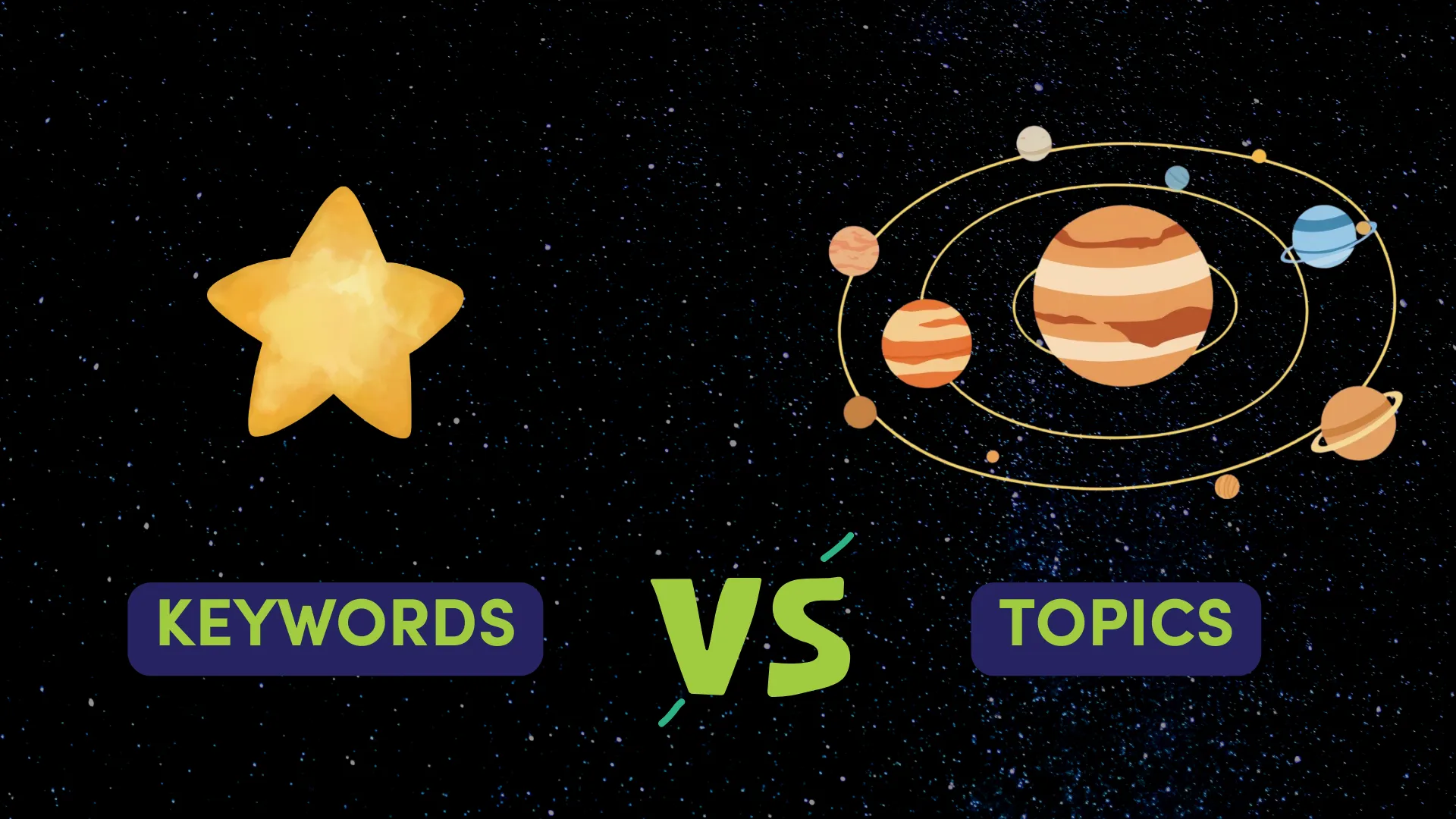
Are keywords dead? No, they’re not. But the way we use them has changed. Instead of focusing on one keyword at a time, we now need to [...]

Search is changing. For years, businesses focused on ranking in Google. If your website appeared on page one for the right keywords, customers could find you. Today, [...]

When marketers analyse ad performance, the instinct is often to focus on the obvious winners; the ads generating the most clicks, conversions or revenue. Those are the [...]
Well it's been 5 months since Google AI Mode officially launched in Australia and the effects on search behaviour, traffic patterns and SEO strategy are clearer and [...]
Most organisations are obsessed with reach - and so they should be. They want new audiences, new eyeballs, new followers - who doesn't? They pour budget into [...]
Recently we explored the Mere Exposure Effect - the psychological principle that says people tend to develop a preference for things simply because they’re familiar with them. [...]
For years, Meta ads were managed like a machine you had to constantly tweak. Adjust the bid strategy. Restructure the campaign. Turn off underperformers quickly. Optimise daily. [...]
For a long time, marketing worked in bursts. Campaign launches.Sales periods.Quarterly pushes. Then… silence. That model made sense when attention was predictable. But that's no longer the [...]
For years, social media worked like… well, social media. You followed accounts.You saw their content.You engaged with people you knew or chose to follow. But that’s not [...]
At the end of 2025, we wrote about the rise of the Slow Social Era - the idea that audiences are becoming more intentional with how they consume [...]
Are keywords dead? No, they’re not. But the way we use them has changed. Instead of focusing on one keyword at a time, we now need to [...]
Search is changing. For years, businesses focused on ranking in Google. If your website appeared on page one for the right keywords, customers could find you. Today, [...]
When marketers analyse ad performance, the instinct is often to focus on the obvious winners; the ads generating the most clicks, conversions or revenue. Those are the [...]
Well it's been 5 months since Google AI Mode officially launched in Australia and the effects on search behaviour, traffic patterns and SEO strategy are clearer and [...]
Most organisations are obsessed with reach - and so they should be. They want new audiences, new eyeballs, new followers - who doesn't? They pour budget into [...]
Recently we explored the Mere Exposure Effect - the psychological principle that says people tend to develop a preference for things simply because they’re familiar with them. [...]
For years, Meta ads were managed like a machine you had to constantly tweak. Adjust the bid strategy. Restructure the campaign. Turn off underperformers quickly. Optimise daily. [...]