The integration we’ve been waiting for is finally here! Meta has introduced a groundbreaking connection with Google Analytics, enabling advertisers to link their Google Analytics properties to their Meta Pixel. This innovation has the potential to revolutionise how businesses track, optimise and enhance ad performance.
So far, a beta version of this integration has been tested with a select group of users and is expected to roll out to all Meta advertisers later this year.
By leveraging this integration, advertisers can gain deeper insights into the conversions that matter most across their marketing mix.
Benefits of Integrating Meta with Google Analytics
Meta reports that this integration, which connects via a simple API setup, can boost conversions by up to 22% based on user data. Advertisers may start seeing performance improvements within two weeks of implementing the integration.
Additional benefits include:
1. Enhanced Cross-Platform Measurement
Tracking performance across multiple platforms has traditionally required separate attribution models. With this integration, Meta can access external conversion data from Google Analytics, providing a more unified view of ad impact across various channels.
2. Comprehensive Analytics
By combining Meta’s ad performance metrics with GA4’s advanced analytics features, advertisers can gain a more holistic understanding of user behaviour, leading to better-informed marketing decisions.
3. Improved Reporting
GA4 offers powerful reporting tools and customisable dashboards. Integrating Meta with GA4 allows advertisers to leverage these features for more insightful campaign analysis.
4. Advanced Audience Segmentation
GA4’s audience-building capabilities, combined with Meta’s advertising data, allow for better audience segmentation so you can target ads more effectively.
Potential Challenges
While promising, this integration is still in its early stages, and some limitations exist:
- Limited Ad Impression Data: Advertisers running top-of-funnel or awareness campaigns may face challenges in measuring campaign reach, as GA4 does not track ad impressions.
- Data Privacy Constraints: GA4 adheres to strict privacy regulations and does not track individual users, which may limit advertisers’ ability to attribute sales data accurately.
How to Access Meta’s Google Analytics Integration
Currently, Meta’s GA4 integration is in beta testing, meaning not all advertisers have access yet.
Advertisers who are eligible will see a pop-up notification when logging into their Meta advertiser account, prompting them to connect their Google Analytics data.
For those with access, the integration can also be found in Meta by navigating to Event Manager and selecting Google Analytics under Partner Integrations.
Got Questions?
Aston Digital has the answers! Contact us today to learn more about maximising your ad performance with this powerful integration.
- All
- AI Search & Marketing
- Digital Marketing
- Digital Strategy
- Ecommerce
- Google Analytics
- Instagram Stories
- Marketing
- Meta
- Search Engine Marketing
- Search Engine Optimisation
- Social Media
- Social Media
- Social Media Advertising
- Social Media Marketing
- Social Media Strategy
- Uncategorized
At the end of 2025, we wrote about the rise of the Slow Social Era - the idea that audiences are becoming more intentional with how they consume [...]
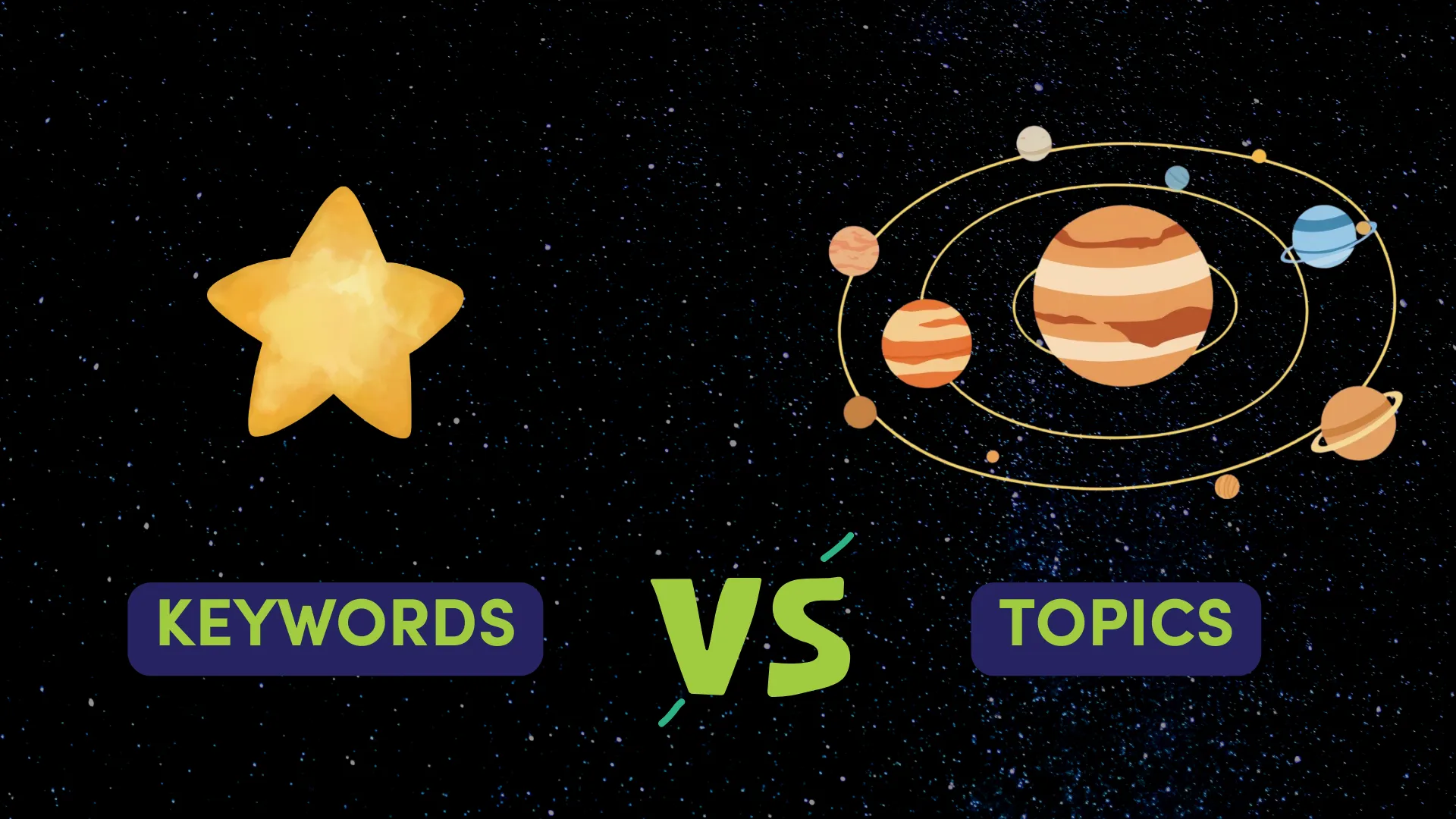
Are keywords dead? No, they’re not. But the way we use them has changed. Instead of focusing on one keyword at a time, we now need to [...]

Search is changing. For years, businesses focused on ranking in Google. If your website appeared on page one for the right keywords, customers could find you. Today, [...]

When marketers analyse ad performance, the instinct is often to focus on the obvious winners; the ads generating the most clicks, conversions or revenue. Those are the [...]
Well it's been 5 months since Google AI Mode officially launched in Australia and the effects on search behaviour, traffic patterns and SEO strategy are clearer and [...]

Most organisations are obsessed with reach - and so they should be. They want new audiences, new eyeballs, new followers - who doesn't? They pour budget into [...]
Recently we explored the Mere Exposure Effect - the psychological principle that says people tend to develop a preference for things simply because they’re familiar with them. [...]
For years, Meta ads were managed like a machine you had to constantly tweak. Adjust the bid strategy. Restructure the campaign. Turn off underperformers quickly. Optimise daily. [...]

If you're finding your Meta ads lately are becoming more expensive and less effective, the problem probably isn't your targeting or your budget. The Meta Ads algorithm [...]

For years, follower count was treated as the ultimate measure of success on social media. More followers meant more reach, more influence and more credibility. In 2026, [...]
At the end of 2025, we wrote about the rise of the Slow Social Era - the idea that audiences are becoming more intentional with how they consume [...]
Are keywords dead? No, they’re not. But the way we use them has changed. Instead of focusing on one keyword at a time, we now need to [...]
Search is changing. For years, businesses focused on ranking in Google. If your website appeared on page one for the right keywords, customers could find you. Today, [...]
When marketers analyse ad performance, the instinct is often to focus on the obvious winners; the ads generating the most clicks, conversions or revenue. Those are the [...]
Well it's been 5 months since Google AI Mode officially launched in Australia and the effects on search behaviour, traffic patterns and SEO strategy are clearer and [...]
Most organisations are obsessed with reach - and so they should be. They want new audiences, new eyeballs, new followers - who doesn't? They pour budget into [...]
Recently we explored the Mere Exposure Effect - the psychological principle that says people tend to develop a preference for things simply because they’re familiar with them. [...]
For years, Meta ads were managed like a machine you had to constantly tweak. Adjust the bid strategy. Restructure the campaign. Turn off underperformers quickly. Optimise daily. [...]
If you're finding your Meta ads lately are becoming more expensive and less effective, the problem probably isn't your targeting or your budget. The Meta Ads algorithm [...]
For years, follower count was treated as the ultimate measure of success on social media. More followers meant more reach, more influence and more credibility. In 2026, [...]