For years, social media worked like… well, social media.
You followed accounts.
You saw their content.
You engaged with people you knew or chose to follow.
But that’s not how it works anymore.
Today, platforms like Instagram, TikTok, LinkedIn and even YouTube have quietly evolved into something else entirely:
Content discovery engines.
What is a “Content Discovery” Platform?
A content discovery platform doesn’t prioritise who you follow like old school social media.
It prioritises what you’re likely to engage with.
Instead of showing you posts from your network, these platforms now ask:
“What content will keep this person watching?”
That’s why your feed is now filled with:
- Accounts you’ve never followed
- Creators you’ve never heard of
- Topics you’ve only briefly interacted with
Your feed is no longer a reflection of your network.
It’s a reflection of your behaviour.
Why isn’t social media social anymore?
It’s a deliberate evolution driven by three key factors:
1. Attention = currency
Every platform is competing for time.
The longer you stay, the more ads you see.
The more ads you see, the more revenue they generate.
Recommendation-based feeds outperform follower-based feeds because:
- They surface more relevant content
- They reduce drop-off
- They increase session time
2. The success of TikTok changed everything
Thanks a lot, TikTok! They’ve proved that you don’t need a following to go viral.
Its “For You” page became the blueprint:
- Content-first, not network-first
- Algorithm-led discovery
- Rapid testing and scaling of content
Every other platform took notice and followed.
3. Content volume is too high
There’s more content being created than ever before.
If platforms only showed content from accounts you follow, you’d miss most of what’s relevant (and engaging).
So instead, algorithms filter and prioritise content based on:
- Watch time
- Engagement signals
- Relevance to past behaviour
So what does this mean for your brand?
This is where most businesses get it wrong.
They’re still asking:
- “How do we grow followers?”
- “Why aren’t our followers seeing our posts?”
But those are no longer the right questions.
(Read Followers Are Context, Not Currency)
The real question is:
“Would this piece of content be shown to someone who has never heard of us?”
Because that’s exactly how platforms now distribute content now.
The new rules of content
Content is now testing at scale. Platforms will:
- Show it to a small group
- Measure performance
- Expand distribution if it performs
This is why consistency matters. Not every post will win, but the system needs inputs to find the ones that do.
How to make the most of it
Here’s how we’re advising clients to adapt:
1. Lean into native content styles
The best-performing content often looks like it belongs on the platform.
That means:
- Casual over polished
- Native formats (Reels, Shorts, Stories)
- Real people over stock visuals
Platforms reward content that feels organic.
2. Build content around behaviour, not branding
Instead of asking:
“Does this align with our brand guidelines?”
Ask:
“Would someone actually stop scrolling for this?”
There’s a difference.
3. Let the algorithm do it’s thing
Not every piece is designed to convert immediately.
Some content:
- Builds awareness
- Warms up audiences
- Supports future conversions
Think of it like a system – not a single post.
From a network to a distribution channel
And that creates a genuine opportunity for small businesses—like the ones we work with every day.
Because the brands that win won’t be the ones with the biggest audiences.
They’ll be the ones creating content that algorithms want to show.
So if you’ve only got a few thousand followers, you’re not behind.
In this new era, you’re just one great piece of content away from being seen.
- All
- AI Search & Marketing
- Digital Marketing
- Digital Strategy
- Ecommerce
- Google Analytics
- Instagram Stories
- Marketing
- Meta
- Search Engine Marketing
- Search Engine Optimisation
- Social Media
- Social Media
- Social Media Advertising
- Social Media Marketing
- Social Media Strategy
- Uncategorized
When you see a paid ad, nine times out of ten, you're probably not clicking on it. Instead, you'll likely hop over to Google, search the brand [...]
In digital advertising, audience targeting has always been both an art and a science. But what if the science just got smarter - a lot smarter? We’ve [...]
With attention spans getting shorter and competition fiercer, brands are constantly searching for that magic formula to stand out. But the answer isn’t always a bold campaign [...]
A billion searches were made on ChatGPT last week alone. Now, OpenAI is turning those queries into a powerful new retail experience. ChatGPT recently launched its AI [...]

Google’s AI Overviews are reshaping search by pulling answers from the places people are actually talking: Reddit, YouTube, Quora and other community-driven platforms. According to new data [...]
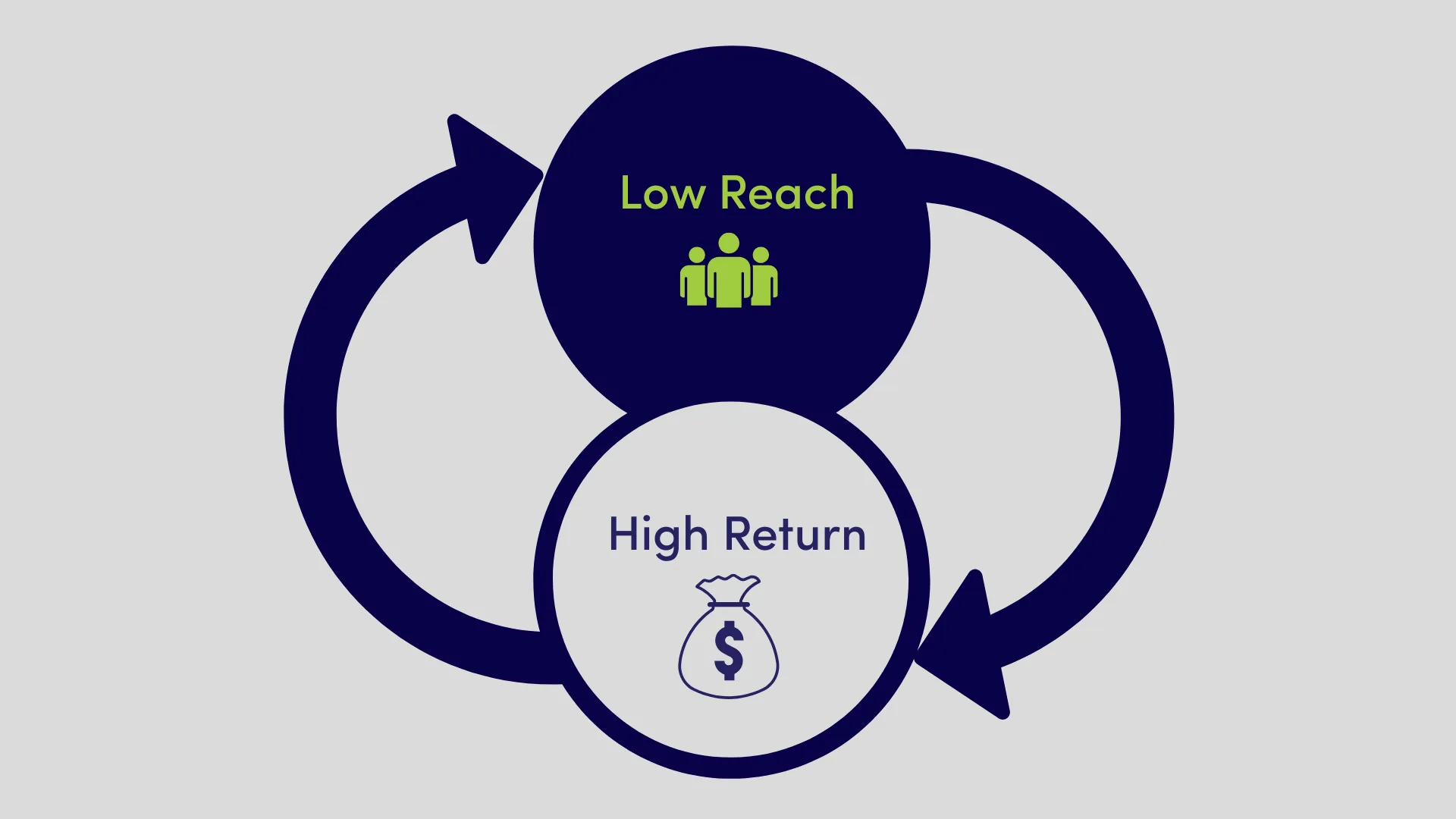
We recently posted a simple promotion on a client’s social media account. It was about a niche product - nothing flashy, not designed to go viral, just [...]
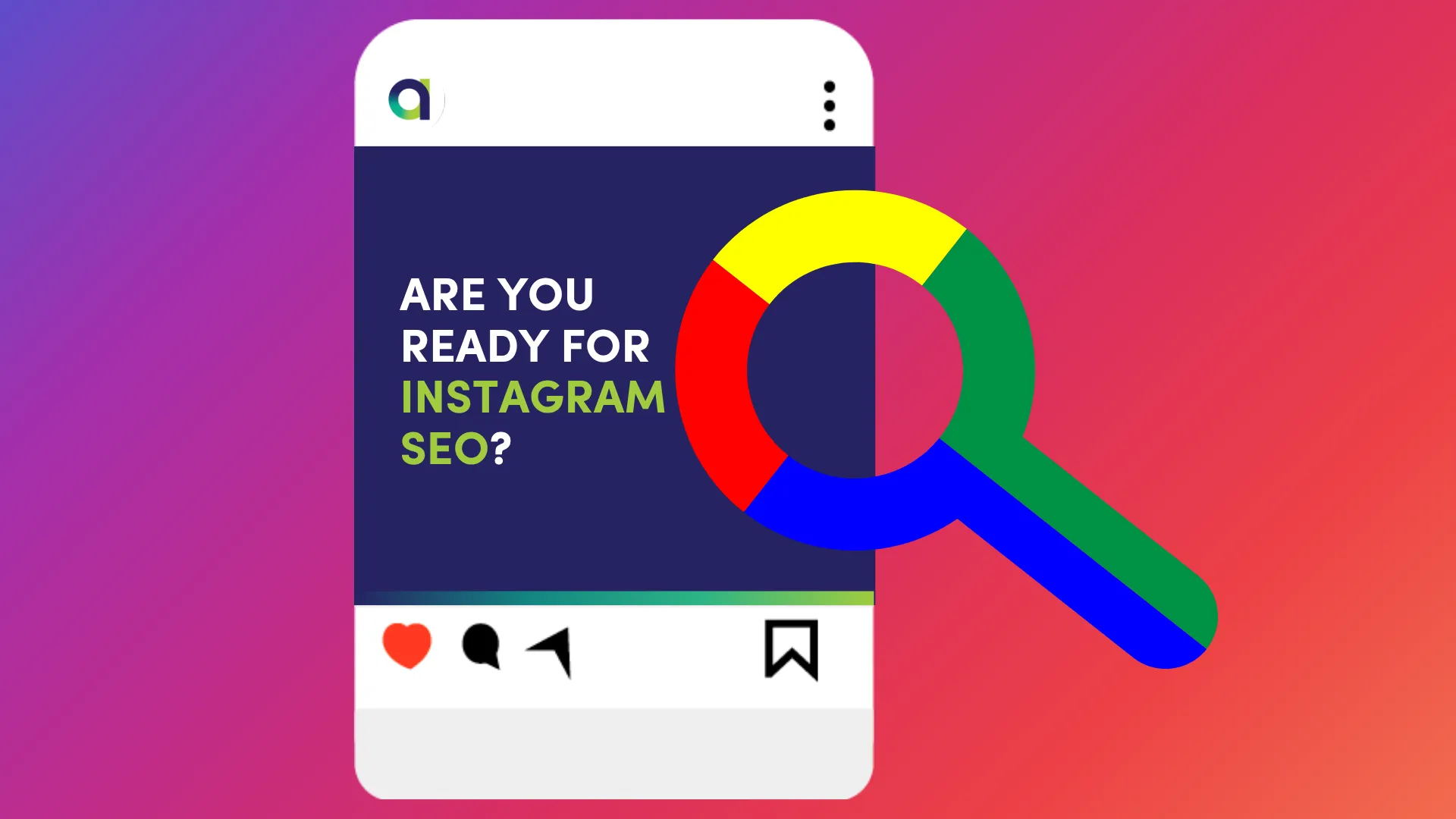
Starting July 10, 2025, public posts from professional Instagram accounts will start appearing in Google search results. That means your photos, Reels and videos could soon show [...]
One of the most common concerns we hear from clients is: “I feel like we’re repeating ourselves too much.” They worry that saying the same message more [...]

Quick Website Audit Checklist When was the last time you really looked at your website through the eyes of a customer? We often assume that once [...]

In a world where marketers battle for every second of audience attention, Labubu – a quirky character from Pop Mart’s “Monster” series - has done the seemingly [...]
When you see a paid ad, nine times out of ten, you're probably not clicking on it. Instead, you'll likely hop over to Google, search the brand [...]
In digital advertising, audience targeting has always been both an art and a science. But what if the science just got smarter - a lot smarter? We’ve [...]
With attention spans getting shorter and competition fiercer, brands are constantly searching for that magic formula to stand out. But the answer isn’t always a bold campaign [...]
A billion searches were made on ChatGPT last week alone. Now, OpenAI is turning those queries into a powerful new retail experience. ChatGPT recently launched its AI [...]
Google’s AI Overviews are reshaping search by pulling answers from the places people are actually talking: Reddit, YouTube, Quora and other community-driven platforms. According to new data [...]
We recently posted a simple promotion on a client’s social media account. It was about a niche product - nothing flashy, not designed to go viral, just [...]
Starting July 10, 2025, public posts from professional Instagram accounts will start appearing in Google search results. That means your photos, Reels and videos could soon show [...]
One of the most common concerns we hear from clients is: “I feel like we’re repeating ourselves too much.” They worry that saying the same message more [...]
Quick Website Audit Checklist When was the last time you really looked at your website through the eyes of a customer? We often assume that once [...]
In a world where marketers battle for every second of audience attention, Labubu – a quirky character from Pop Mart’s “Monster” series - has done the seemingly [...]