
Are keywords dead?
No, they’re not. But the way we use them has changed.
Instead of focusing on one keyword at a time, we now need to think about the bigger picture; the topic behind it.
Keyword vs Topic
Let’s strip this back.
What is a keyword?
A keyword is:
-
The exact phrase someone searches
-
Specific and measurable
-
Example: “best running shoes for flat feet”
What is a topic (or query cluster)?
A topic is:
-
The broader idea behind multiple searches
-
Made up of many related questions
-
Example:
-
“running shoes”
-
The easiest way to understand it:
-
Keyword = one question
-
Topic = all the questions around it
Why the shift?
Search engines (and AI tools like ChatGPT, Google AI Mode, Perplexity) don’t think in just keywords anymore.
They also think in:
-
Meaning
-
Context
-
Relationships between ideas
This is often referred to as semantic search, where platforms group related ideas together rather than treating each search individually.
So instead of asking:
“Does your page match this keyword?”
They’re asking:
“Is your brand a trusted source on this entire topic?”
Where Traditional SEO falls short
Old-school SEO looked like this:
-
Pick 1 keyword
-
Write 1 page
-
Try to rank
Repeat 50 times.
The problem with that now?
Well, you end up with:
-
Thin, repetitive content
-
Pages competing with each other
-
No real authority
What Topic-Led SEO looks like
Instead of chasing individual keywords, you:
1. Pick a core topic
Example = Instagram Advertising
2. Cover the full landscape
You create content around:
-
Cost of Instagram Ads
-
Creative Strategy
-
Audience Targeting
-
Why Ads Don’t Convert
-
Supporting Ad Creatives
3. Build connections between content
-
Internal linking
-
Consistent messaging
-
Clear expertise
4. See the results
Search engines start to see:
“This brand knows this topic.”
Not just:
“This page matches this keyword.”
How this connects to AEO & GEO
Now, this is the super important bit.
With AEO (Answer Engine Optimisation):
You need to answer:
-
Specific questions clearly
-
In context of a broader topic
With GEO (Generative Engine Optimisation):
AI tools:
-
Summarise content
-
Pull from multiple sources
-
Prefer trusted topic authorities
The English version:
If you only optimise for keywords, you might rank.
If you optimise for topics, you get referenced, summarised and recommended.
How to incorporate topics into your SEO strategy
Here’s the practical part.
Step 1: Start with your business, not keywords
Ask:
-
What do we actually sell?
-
What problems do we solve?
-
What do customers ask us?
This becomes your topic list.
Step 2: Map supporting queries (keywords)
Under each topic, list:
-
Questions people ask
-
Variations of searches
-
Pain points
Example:
Topic: Meta Ads
Keywords/queries:
-
Why are my Facebook ads not converting?
-
How much should I spend on Meta ads?
-
Best creatives for Facebook ads
Step 3: Create fewer, stronger pieces of content
Instead of:
-
10 blogs for 10 keywords
Create:
-
1–2 strong pieces that cover the full topic properly
Step 4: Build internal links
Connect related content so search engines can see:
-
Structure
-
Depth
-
Relevance
Step 5: Measure differently
Don’t just track:
-
Rankings for one keyword
Look at:
-
How many related searches you appear for
-
Growth in impressions across a topic
-
Overall traffic from a content cluster
Tips for moving forward
If your strategy is:
“What keyword should we target next?”
You’re thinking too small.
Instead ask:
“What topic do we want to be known for?”
The brands succeeding in SEO, AEO and GEO right now are the ones that:
-
Understand their topic space
-
Build depth, not just volume
-
And create content that actually answers real questions
- All
- AI Search & Marketing
- Digital Marketing
- Digital Strategy
- Ecommerce
- Google Analytics
- Instagram Stories
- Marketing
- Meta
- Search Engine Marketing
- Search Engine Optimisation
- Social Media
- Social Media
- Social Media Advertising
- Social Media Marketing
- Social Media Strategy
- Uncategorized
If you’re new to Google Search Console (GSC), it might seem overwhelming at first. The dashboards, graphs and technical jargon can be intimidating. But once you get [...]
The integration we’ve been waiting for is finally here! Meta has introduced a groundbreaking connection with Google Analytics, enabling advertisers to link their Google Analytics properties to [...]

A client of ours in the watersports game is heading into their quiet season as summer draws to a close. Quiet season = less sales. So, to [...]

Artificial Intelligence (AI) is a lot like Vegemite - you either love it or hate it. But if you haven’t tried it yet, it’s worth a taste. [...]
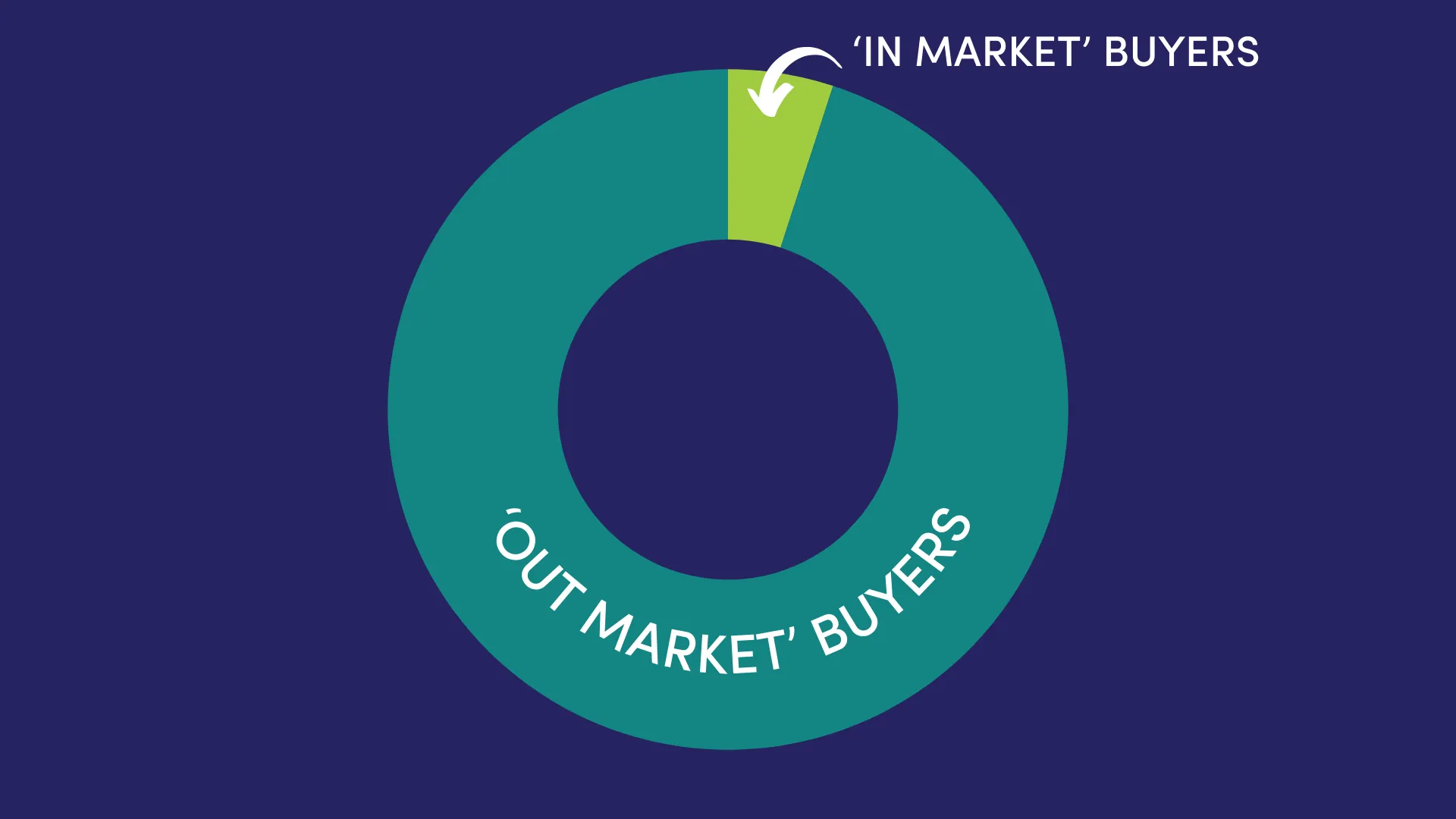
Did you know that up to 95% of your potential business clients aren’t looking to buy right now? It sounds like a small detail, but it has [...]

Social media followers are great - the more, the merrier - but how can you convert this audience into subscribers who engage with your brand on a [...]

You know how they say your dopamine levels rise when you eat chocolate? Well, we get that same feeling when we look at data. Why? Because digital [...]
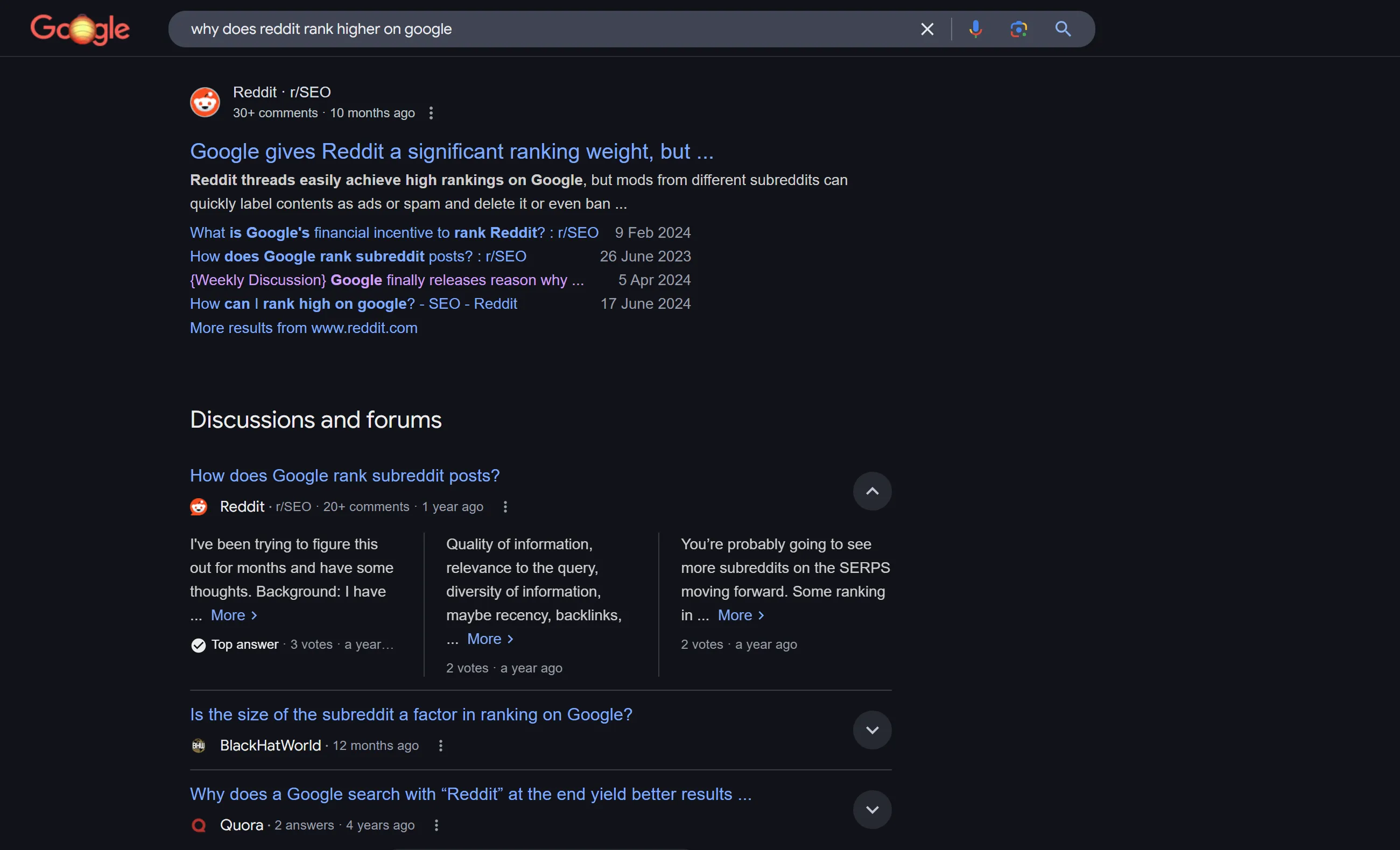
Have you noticed more Reddit and Quora threads appearing in Google search results? Whether you're looking for product recommendations or step-by-step guides, chances are you'll find a [...]

It’s a total coincidence that the title of this article rhymes, but hey, let’s make it a catch cry; thrive in 2025! This year is shaping up [...]

Starting December 13, 2024, Instagram is removing the ability to follow hashtags in the app. This change follows Instagram CEO Adam Mosseri’s recent video Story which explains that [...]
If you’re new to Google Search Console (GSC), it might seem overwhelming at first. The dashboards, graphs and technical jargon can be intimidating. But once you get [...]
The integration we’ve been waiting for is finally here! Meta has introduced a groundbreaking connection with Google Analytics, enabling advertisers to link their Google Analytics properties to [...]
A client of ours in the watersports game is heading into their quiet season as summer draws to a close. Quiet season = less sales. So, to [...]
Artificial Intelligence (AI) is a lot like Vegemite - you either love it or hate it. But if you haven’t tried it yet, it’s worth a taste. [...]
Did you know that up to 95% of your potential business clients aren’t looking to buy right now? It sounds like a small detail, but it has [...]
Social media followers are great - the more, the merrier - but how can you convert this audience into subscribers who engage with your brand on a [...]
You know how they say your dopamine levels rise when you eat chocolate? Well, we get that same feeling when we look at data. Why? Because digital [...]
Have you noticed more Reddit and Quora threads appearing in Google search results? Whether you're looking for product recommendations or step-by-step guides, chances are you'll find a [...]
It’s a total coincidence that the title of this article rhymes, but hey, let’s make it a catch cry; thrive in 2025! This year is shaping up [...]
Starting December 13, 2024, Instagram is removing the ability to follow hashtags in the app. This change follows Instagram CEO Adam Mosseri’s recent video Story which explains that [...]