
For years, one of the most common questions in social media marketing has been: “What’s the best time to post?”
Marketers have obsessed over it. Tools have been built around it. Entire strategies have been shaped by chasing optimal posting windows -— 9am on Tuesdays, 6pm on Wednesdays, whatever the latest study suggested.
Here’s the thing: that question is becoming increasingly irrelevant.
Adam Mosseri, Head of Instagram, recently confirmed what many in the industry have been observing – the platforms have gotten smarter. Much smarter. And the algorithm no longer distributes content based primarily on when you posted. It distributes content based on whether your content is relevant to the right people.ut when your audience is ready to engage. Your job is to give it something worth showing them.
Why timing used to matter
The logic made sense in the early days of social media. Feeds were chronological. If you posted when your audience was online, they’d see it. If you posted when they were asleep, it would be buried by the time they opened the app.
So marketers reverse-engineered audience behaviour, tracked peak activity windows and scheduled content accordingly. Timing was a genuine lever for reach.
But feeds haven’t been chronological for a long time. And the algorithms powering today’s platforms are a fundamentally different beast.
How the algorithm actually works now
Instagram, Facebook, LinkedIn and TikTok all use AI-powered ranking systems that make thousands of predictions about what each individual user is most likely to engage with. Your content doesn’t just get shown to your followers in order of when it was posted — it gets evaluated, scored and distributed based on relevance signals.
Instagram head Adam Mosseri has confirmed the three ranking factors that matter most across all surfaces: watch time, sends per reach (DM shares), and likes per reach.
Notice what’s not on that list? Posting time.
The distinction that matters most is connected reach versus unconnected reach. Connected reach is how your content performs with people who already follow you. Unconnected reach is how your content performs with people who don’t follow you yet — and this is where discovery happens.
For unconnected reach in particular, the algorithm is essentially running an audition. It shows your content to a small test audience first, measures how they respond, and then decides whether to distribute it further. That process happens based on engagement quality — not the time of day you hit publish.
What actually moves the needle
If timing is the cherry on top, relevance is the cake. Here’s what the algorithm is actually rewarding in 2026:
Watch time
Completion rate is the single most powerful signal for Reels reach. Getting past the 3-second mark is the first critical threshold. If your content hooks people and holds their attention, the algorithm takes notice.
Shares via DM
DM shares are one of the top three ranking factors and the most powerful signal for reaching new audiences. Instagram interprets DM shares as the strongest endorsement because you’re actively recommending content, not just passively liking. Create content worth sending to someone, not just scrolling past.
Saves
A save signals to the algorithm that your content is worth returning to. Educational, practical and reference content earns saves — and saves carry significantly more weight than likes.
Original content
The content that stands out is often more human and less manufactured. Mosseri has suggested that creators will succeed by leaning into authentic, imperfect and raw content that signals real human perspective. As AI-generated content becomes easier to produce, originality carries more weight than ever.
Relevance to your niche
Instagram’s “Your Algorithm” feature gives every user a personal dashboard showing the topics they care about. Users can add topics they want more of and actively remove categories they don’t. This means content now reaches audiences who have actively indicated interest in specific topics — making consistency in your niche more important than ever.
The one exception: Stories
Stories operate differently. Unlike Feed posts and Reels — which can be discovered by new audiences long after they’re posted — Stories have a 24-hour lifespan and are ranked primarily by relationship closeness and recency.
For Stories, timing still matters. Post when your audience is active and you’ll appear higher in their tray. Post in the middle of the night and you’ll be buried by morning. If Stories are a key part of your strategy, maintain a consistent daily cadence rather than batching them at odd hours.
What this means for your social media strategy
The shift from timing to relevance changes how you should be thinking about your content.
Stop asking: “What’s the best time to post?”
Start asking: “Is this content relevant, valuable and worth engaging with?”
More specifically:
- Does your content hook attention in the first three seconds?
- Is it the kind of content someone would send to a friend?
- Does it deliver enough value that someone would save it to come back to?
- Is it consistent with a clear niche so the algorithm knows who to show it to?
A piece of content that answers yes to those questions will outperform perfectly timed but mediocre content every single time.
The algorithm has done the hard work of figuring out when your audience is ready to engage. Your job is to give it something worth showing them.
- All
- AI Search & Marketing
- Digital Marketing
- Digital Strategy
- Ecommerce
- Google Analytics
- Instagram Stories
- Marketing
- Meta
- Search Engine Marketing
- Search Engine Optimisation
- Social Media
- Social Media
- Social Media Advertising
- Social Media Marketing
- Social Media Strategy
- Uncategorized
If you’re new to Google Search Console (GSC), it might seem overwhelming at first. The dashboards, graphs and technical jargon can be intimidating. But once you get [...]
The integration we’ve been waiting for is finally here! Meta has introduced a groundbreaking connection with Google Analytics, enabling advertisers to link their Google Analytics properties to [...]

A client of ours in the watersports game is heading into their quiet season as summer draws to a close. Quiet season = less sales. So, to [...]

Artificial Intelligence (AI) is a lot like Vegemite - you either love it or hate it. But if you haven’t tried it yet, it’s worth a taste. [...]
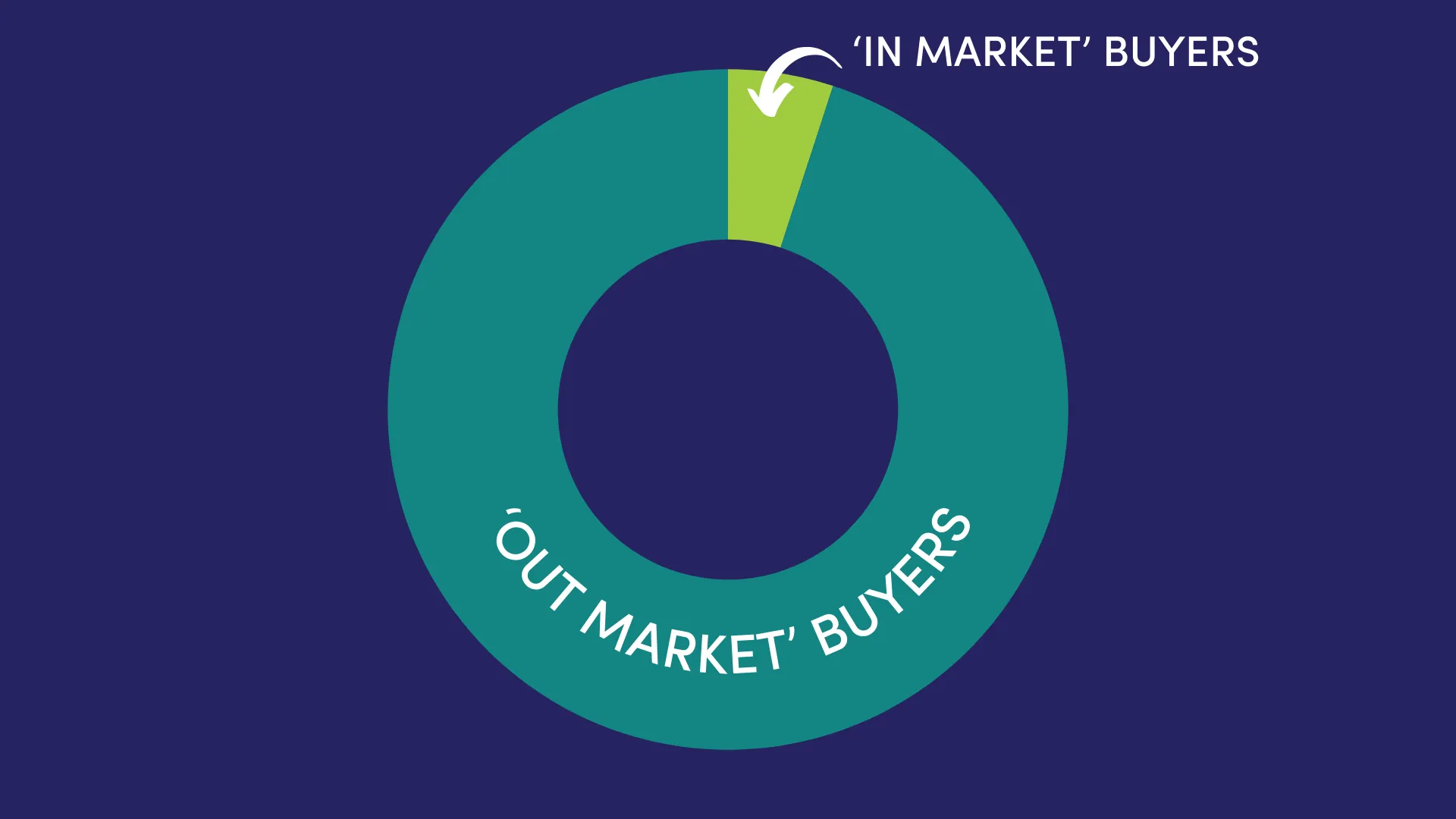
Did you know that up to 95% of your potential business clients aren’t looking to buy right now? It sounds like a small detail, but it has [...]

Social media followers are great - the more, the merrier - but how can you convert this audience into subscribers who engage with your brand on a [...]

You know how they say your dopamine levels rise when you eat chocolate? Well, we get that same feeling when we look at data. Why? Because digital [...]
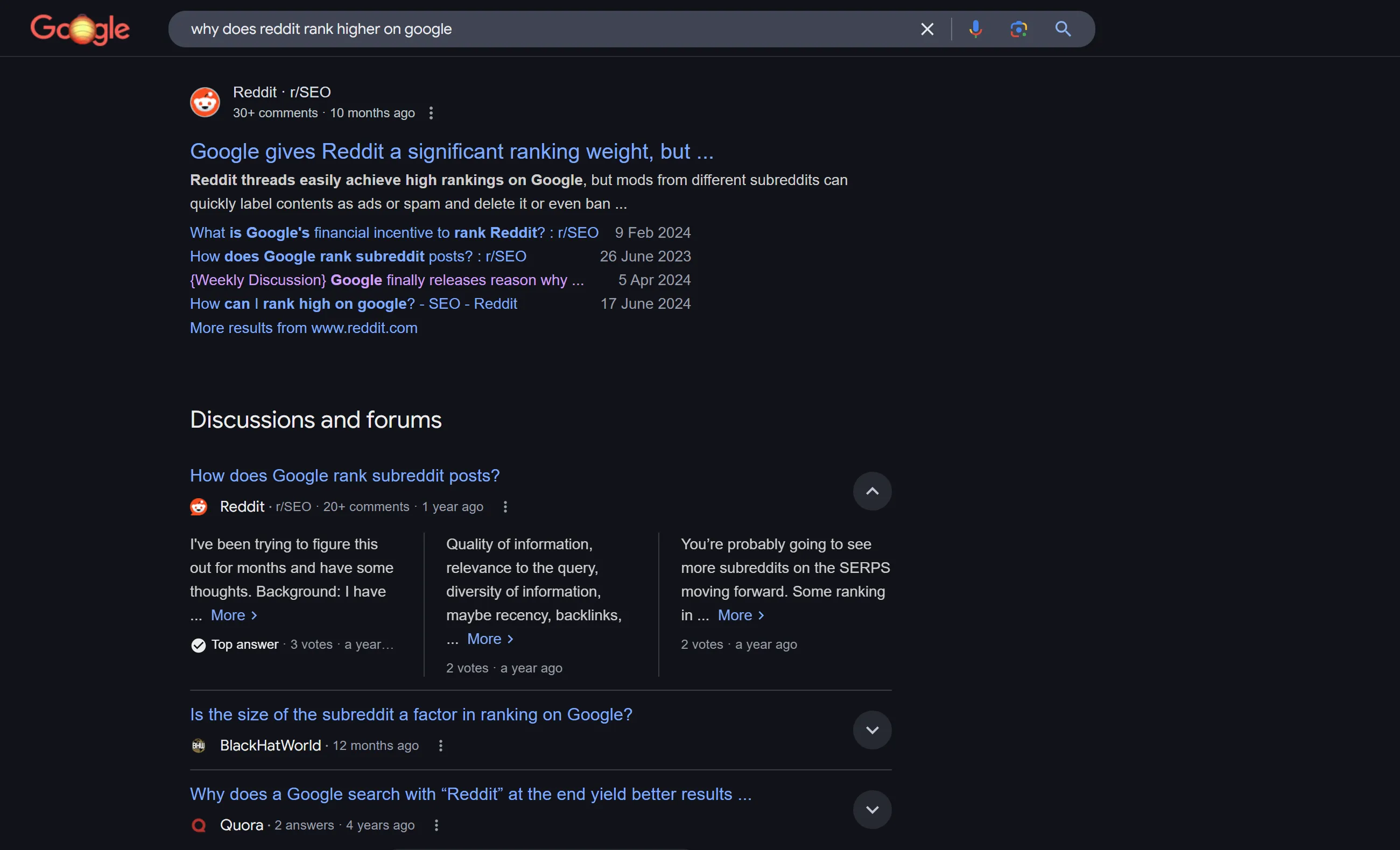
Have you noticed more Reddit and Quora threads appearing in Google search results? Whether you're looking for product recommendations or step-by-step guides, chances are you'll find a [...]

It’s a total coincidence that the title of this article rhymes, but hey, let’s make it a catch cry; thrive in 2025! This year is shaping up [...]

Starting December 13, 2024, Instagram is removing the ability to follow hashtags in the app. This change follows Instagram CEO Adam Mosseri’s recent video Story which explains that [...]
If you’re new to Google Search Console (GSC), it might seem overwhelming at first. The dashboards, graphs and technical jargon can be intimidating. But once you get [...]
The integration we’ve been waiting for is finally here! Meta has introduced a groundbreaking connection with Google Analytics, enabling advertisers to link their Google Analytics properties to [...]
A client of ours in the watersports game is heading into their quiet season as summer draws to a close. Quiet season = less sales. So, to [...]
Artificial Intelligence (AI) is a lot like Vegemite - you either love it or hate it. But if you haven’t tried it yet, it’s worth a taste. [...]
Did you know that up to 95% of your potential business clients aren’t looking to buy right now? It sounds like a small detail, but it has [...]
Social media followers are great - the more, the merrier - but how can you convert this audience into subscribers who engage with your brand on a [...]
You know how they say your dopamine levels rise when you eat chocolate? Well, we get that same feeling when we look at data. Why? Because digital [...]
Have you noticed more Reddit and Quora threads appearing in Google search results? Whether you're looking for product recommendations or step-by-step guides, chances are you'll find a [...]
It’s a total coincidence that the title of this article rhymes, but hey, let’s make it a catch cry; thrive in 2025! This year is shaping up [...]
Starting December 13, 2024, Instagram is removing the ability to follow hashtags in the app. This change follows Instagram CEO Adam Mosseri’s recent video Story which explains that [...]