At the end of 2025, we wrote about the rise of the Slow Social Era – the idea that audiences are becoming more intentional with how they consume content.
Less scrolling.
Less reacting.
Less engaging for the sake of it.
Now, there’s real data to back it up.
Engagement is declining across major platforms
A new report from Buffer analysed 191,000+ accounts and millions of posts across 2025.
And the findings showed engagement dropped on Instagram, LinkedIn and Threads.
At the same time:
- TikTok stayed relatively flat
- Facebook and Pinterest saw slight increases
- X saw a small lift (but from a very low base)
So if you’ve been looking at your numbers of Q1 2026 thinking “something feels off”…
You’re not imagining it.
But this isn’t a platform problem
It’s easy to blame:
- Algorithm changes
- Platform updates
- “Shadow banning”
But that’s not really what’s happening.
This is a behaviour shift.
We’re producing more content than ever before, and at the same time, people are becoming more selective with their attention.
More content + less attention = lower engagement.
Simples.
This is exactly what the Slow Social Era predicted
When we first talked about Slow Social, we made a key point:
The more content that exists, the harder it becomes for any single piece to matter.
That’s now playing out in real time.
- LinkedIn is more saturated than ever
- Threads is growing rapidly (and getting noisier)
- Instagram is prioritising Reels, shifting how people engage
Therefore, engagement is being diluted across more content.
The real insight marketers should pay attention to
Buried in the Buffer report is the most important takeaway:
Brands that reply to comments see significantly higher engagement.
- +42% on Threads
- +30% on LinkedIn
- +21% on Instagram
That’s not a small lift. That’s a strategy shift.
It reinforces that: Social media is no longer about broadcasting. It’s about participation.
The brands still treating social like a content distribution channel are the ones feeling the drop the most.
What’s actually working right now?
The data also gives us some tactical direction:
- Instagram: Reels get more reach, but carousels drive more engagement
- LinkedIn: Carousels outperform video and static posts by up to 3x
- X: Engagement is still extremely low overall (despite a slight increase)
But none of this matters if the content itself doesn’t resonate.
Because relevance beats everything.
So what should marketers do in 2026?
1. Stop chasing engagement as a vanity metric
Lower engagement doesn’t always mean worse performance, it often reflects a more competitive environment.
2. Focus on depth, not volume
Fewer posts. More intentional thinking. Higher quality.
3. Prioritise conversation, not just content
Reply to comments. Start discussions. Build interaction loops.
4. Create content people want to spend time with
Not just scroll past.
5. Build owned audiences
Email, communities, direct channels – because discovery is getting harder..
The winning move in 2026 isn’t to speed up.
It’s to slow down, and create something worth engaging with.
- All
- AI Search & Marketing
- Digital Marketing
- Digital Strategy
- Ecommerce
- Google Analytics
- Instagram Stories
- Marketing
- Meta
- Search Engine Marketing
- Search Engine Optimisation
- Social Media
- Social Media
- Social Media Advertising
- Social Media Marketing
- Social Media Strategy
- Uncategorized
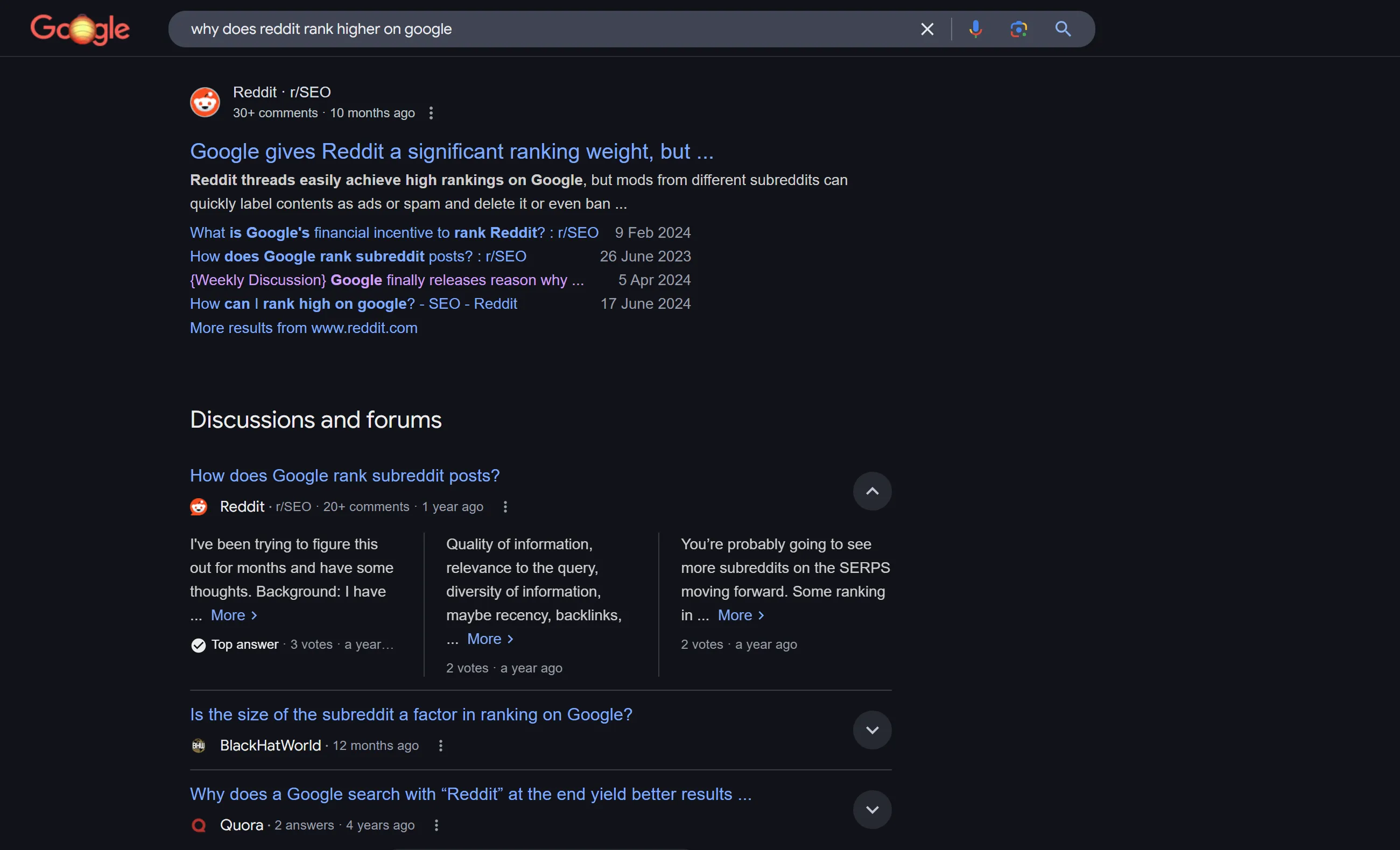
Have you noticed more Reddit and Quora threads appearing in Google search results? Whether you're looking for product recommendations or step-by-step guides, chances are you'll find a [...]

It’s a total coincidence that the title of this article rhymes, but hey, let’s make it a catch cry; thrive in 2025! This year is shaping up [...]

Starting December 13, 2024, Instagram is removing the ability to follow hashtags in the app. This change follows Instagram CEO Adam Mosseri’s recent video Story which explains that [...]
Consumers are becoming more emotive in their buying decisions and are craving genuine connections with brands. Enter low-fidelity (lo-fi) content. More than just a passing trend, lo-fi content [...]

Last week, Facebook announced a major update: 'Views' will now replace impressions as the primary metric for posts and Stories. This change aligns with Instagram's recent metric [...]

It’s the second week of November, and Black Friday promotions are in full swing; emails, ads, organic posts. But, how many of these promotions are you actually paying [...]
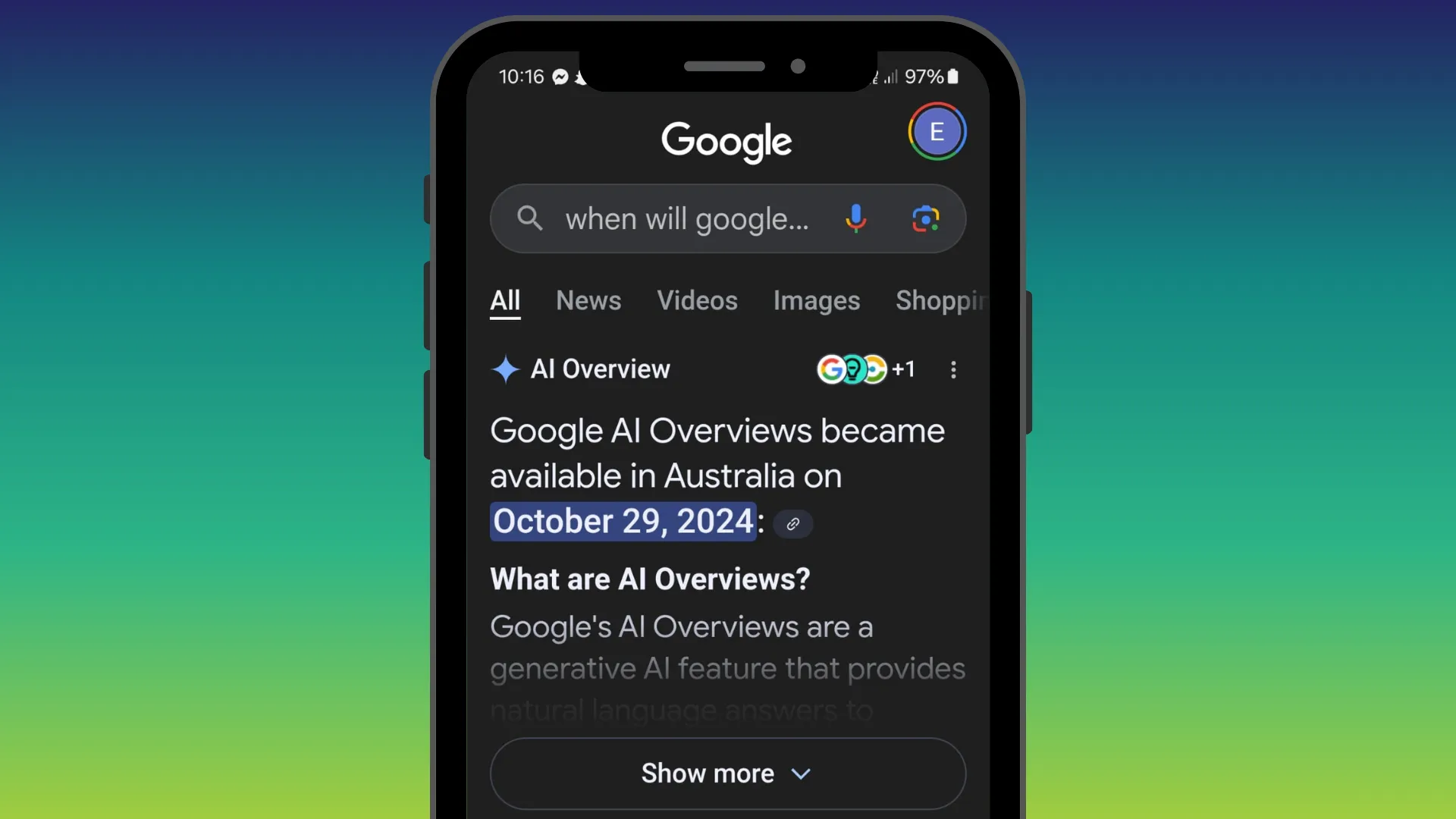
Google’s new search feature, AI Overviews, has recently launched in Australia, transforming how we interact with search engines. With AI-generated summaries now appearing directly in search engine [...]
TikTok can be polarising. Those who use it, love it. Those who don’t often find it confusing or aren’t sure how it could fit into their social media [...]

We’ve been geeking out over our latest Audience Intelligence Reports which rolled out to our clients over the last two weeks. Separate from our monthly digital marketing [...]
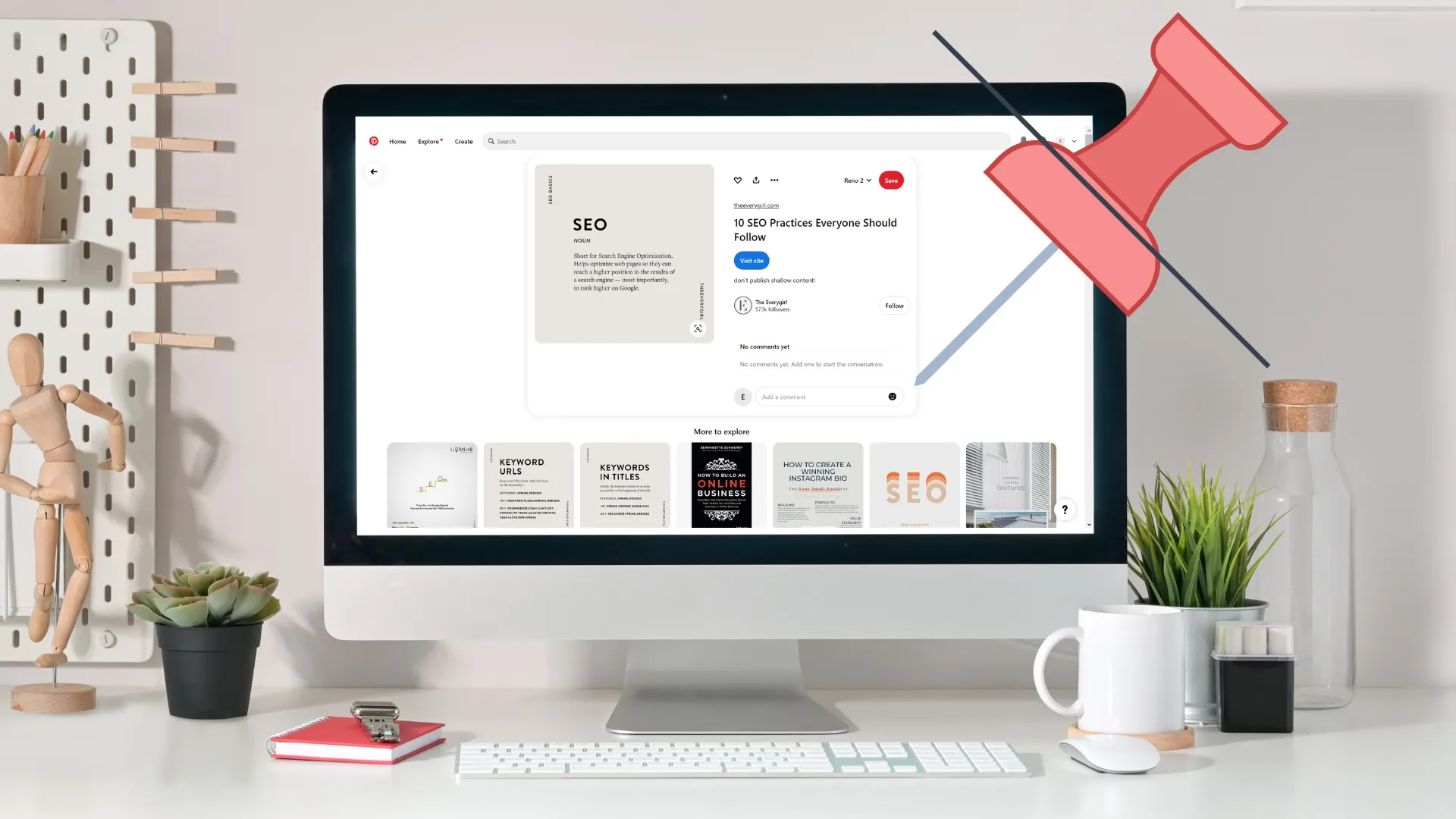
When you think about it, Pinterest is not really a social media platform but more of a search engine. While it does allow users to follow and [...]
Have you noticed more Reddit and Quora threads appearing in Google search results? Whether you're looking for product recommendations or step-by-step guides, chances are you'll find a [...]
It’s a total coincidence that the title of this article rhymes, but hey, let’s make it a catch cry; thrive in 2025! This year is shaping up [...]
Starting December 13, 2024, Instagram is removing the ability to follow hashtags in the app. This change follows Instagram CEO Adam Mosseri’s recent video Story which explains that [...]
Consumers are becoming more emotive in their buying decisions and are craving genuine connections with brands. Enter low-fidelity (lo-fi) content. More than just a passing trend, lo-fi content [...]
Last week, Facebook announced a major update: 'Views' will now replace impressions as the primary metric for posts and Stories. This change aligns with Instagram's recent metric [...]
It’s the second week of November, and Black Friday promotions are in full swing; emails, ads, organic posts. But, how many of these promotions are you actually paying [...]
Google’s new search feature, AI Overviews, has recently launched in Australia, transforming how we interact with search engines. With AI-generated summaries now appearing directly in search engine [...]
TikTok can be polarising. Those who use it, love it. Those who don’t often find it confusing or aren’t sure how it could fit into their social media [...]
We’ve been geeking out over our latest Audience Intelligence Reports which rolled out to our clients over the last two weeks. Separate from our monthly digital marketing [...]
When you think about it, Pinterest is not really a social media platform but more of a search engine. While it does allow users to follow and [...]