For a long time, marketing worked in bursts.
Campaign launches.
Sales periods.
Quarterly pushes.
Then… silence.
That model made sense when attention was predictable.
But that’s no longer the case.
Today, attention is fragmented, feeds are infinite and buying journeys are rarely linear. Which means if you’re not consistently showing up, you’re simply not showing up at all.
What is “Always On” Marketing?
Always On marketing is exactly what it sounds like:
A consistent, ongoing presence across your key channels, rather than short, reactive campaigns.
It doesn’t mean “always selling.”
It means always being visible, relevant, and remembered.
Think of it as:
- Showing up before someone is ready to buy
- Staying visible while they’re considering
- Being familiar when they’re ready to act
Because in most cases, the person who converts today didn’t discover you today.
Why “Always On” Marketing is essential
1. Platforms are built for continuous discovery
Social media isn’t ‘social’ media anymore.
It’s turned into a giant content discovery engine.
Platforms like Instagram, TikTok and LinkedIn are no longer prioritising who you follow.
They prioritise:
“What content will keep this user engaged?”
That means your content is constantly being tested, distributed and resurfaced.
But here’s the catch: If you’re only posting during campaigns, you’re giving the algorithm nothing to work with the rest of the time.
Always On = more surface area for discovery.
2. The buying journey is longer (and messier)
People don’t see an ad and convert anymore (remember those days?).
They:
- Scroll
- Compare
- Forget
- Rediscover
- Lurk
- Ask friends
- Come back later
Your job isn’t to force a conversion in one hit.
Your job is to be there every step of the way.
Always On marketing ensures:
- You’re present during early research
- You stay top-of-mind during consideration
- You’re familiar at the decision point
3. The Mere Exposure Effect will help you win
People trust what they recognise.
The more someone sees your brand (in a non-intrusive way), the more:
- Credible you feel
- Familiar you become
- Likely they are to choose you
Always On marketing is how you operationalise the Mere Exposure Effect.
Not through repetition of one ad, but through a steady stream of varied, relevant touchpoints.
4. Paid media performs better when it’s always running
One of the biggest shifts we’re seeing in platforms like Facebook and Instagram:
- Campaigns don’t “ramp up” the way they used to.
- Performance comes from ongoing learning.
When you turn campaigns on and off:
- You reset learning phases
- You lose optimisation momentum
- You break the data feedback loop
Always On paid activity allows:
- Algorithms to continuously optimise
- Creative combinations to evolve
- Different ads to serve different roles in the journey
Not every ad needs to convert.
Some just need to move people closer.
5. Organic content is now a compounding asset
Every piece of content you publish is:
- A discovery opportunity
- A brand touchpoint
- A long-tail asset
Especially on platforms like TikTok and Pinterest, where content can resurface weeks or months later.
If you only post sporadically, you:
- Limit your reach
- Reduce your chances of being discovered
- Miss out on compounding visibility
Always On turns content into an asset, not a one-off.
What “Always On” actually looks like
This is where people get it wrong.
Always On ≠ constant sales messaging.
A simple framework:
1. Stay visible through organic content
- Educational posts
- Insights and opinions
- Light, engaging content
- Behind-the-scenes
2. Stay relevant through mid-funnel content
- Case studies
- FAQs
- Comparisons
- Problem/solution content
3. Stay ready through paid content
- Offers
- Testimonials
- Retargeting ads
- Clear CTAs
Together, this creates coverage across the entire journey.
Example time
Let’s say someone is considering your service.
Week 1: They see a helpful post in their feed.
Week 3: They come across a short video explaining a problem they’re facing.
Week 5: They see a testimonial ad.
Week 6: They Google you.
Week 7: They convert.
Only one of those touchpoints “converted” but all of them mattered.
Attention is always on
The brands who are doing it right are building consistent presence.
If you’re not there when your audience is ready, someone else will be.
- All
- AI Search & Marketing
- Digital Marketing
- Digital Strategy
- Ecommerce
- Google Analytics
- Instagram Stories
- Marketing
- Meta
- Search Engine Marketing
- Search Engine Optimisation
- Social Media
- Social Media
- Social Media Advertising
- Social Media Marketing
- Social Media Strategy
- Uncategorized
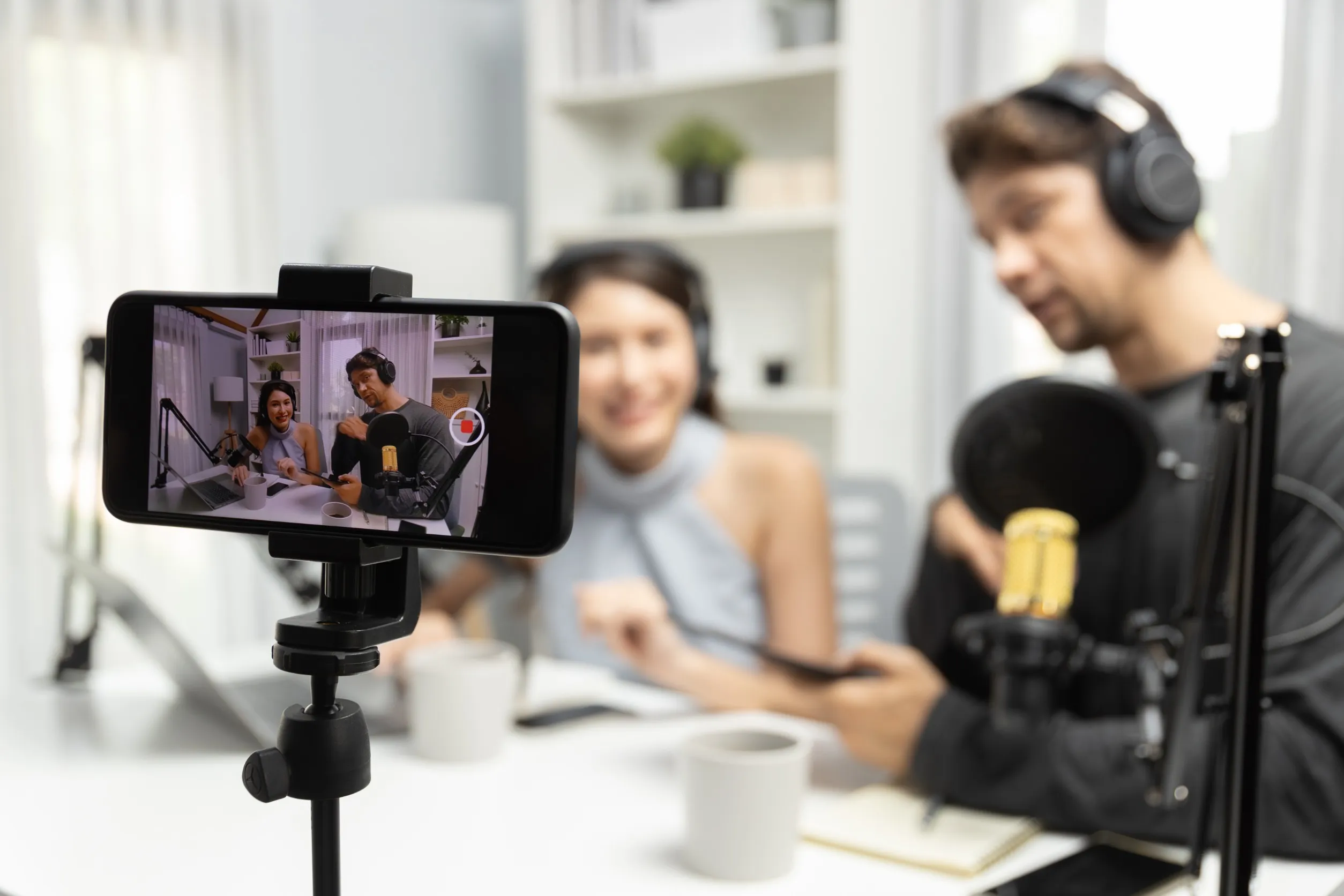
Consumers are becoming more emotive in their buying decisions and are craving genuine connections with brands. Enter low-fidelity (lo-fi) content. More than just a passing trend, lo-fi content [...]

Last week, Facebook announced a major update: 'Views' will now replace impressions as the primary metric for posts and Stories. This change aligns with Instagram's recent metric [...]

It’s the second week of November, and Black Friday promotions are in full swing; emails, ads, organic posts. But, how many of these promotions are you actually paying [...]
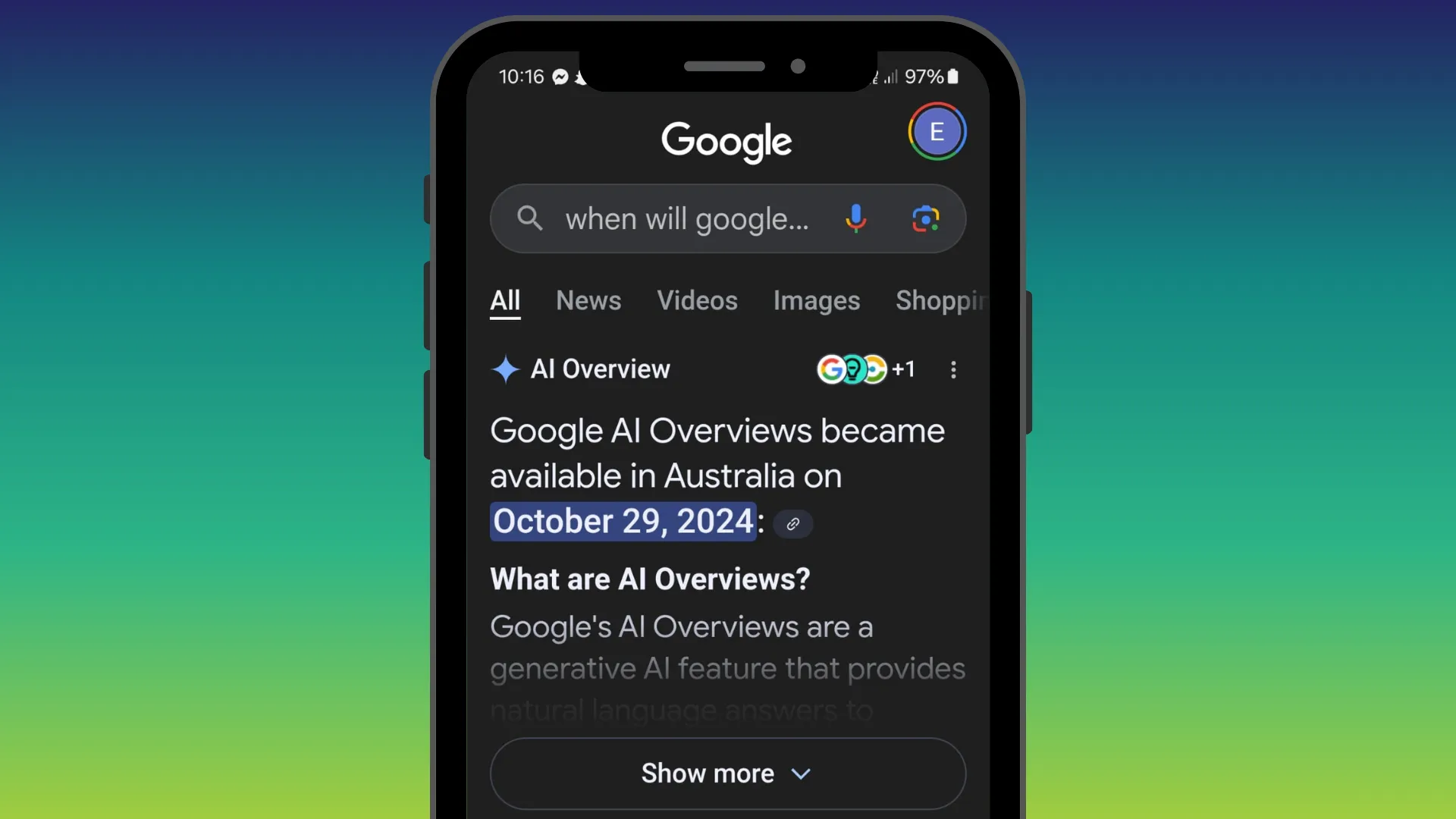
Google’s new search feature, AI Overviews, has recently launched in Australia, transforming how we interact with search engines. With AI-generated summaries now appearing directly in search engine [...]
TikTok can be polarising. Those who use it, love it. Those who don’t often find it confusing or aren’t sure how it could fit into their social media [...]

We’ve been geeking out over our latest Audience Intelligence Reports which rolled out to our clients over the last two weeks. Separate from our monthly digital marketing [...]
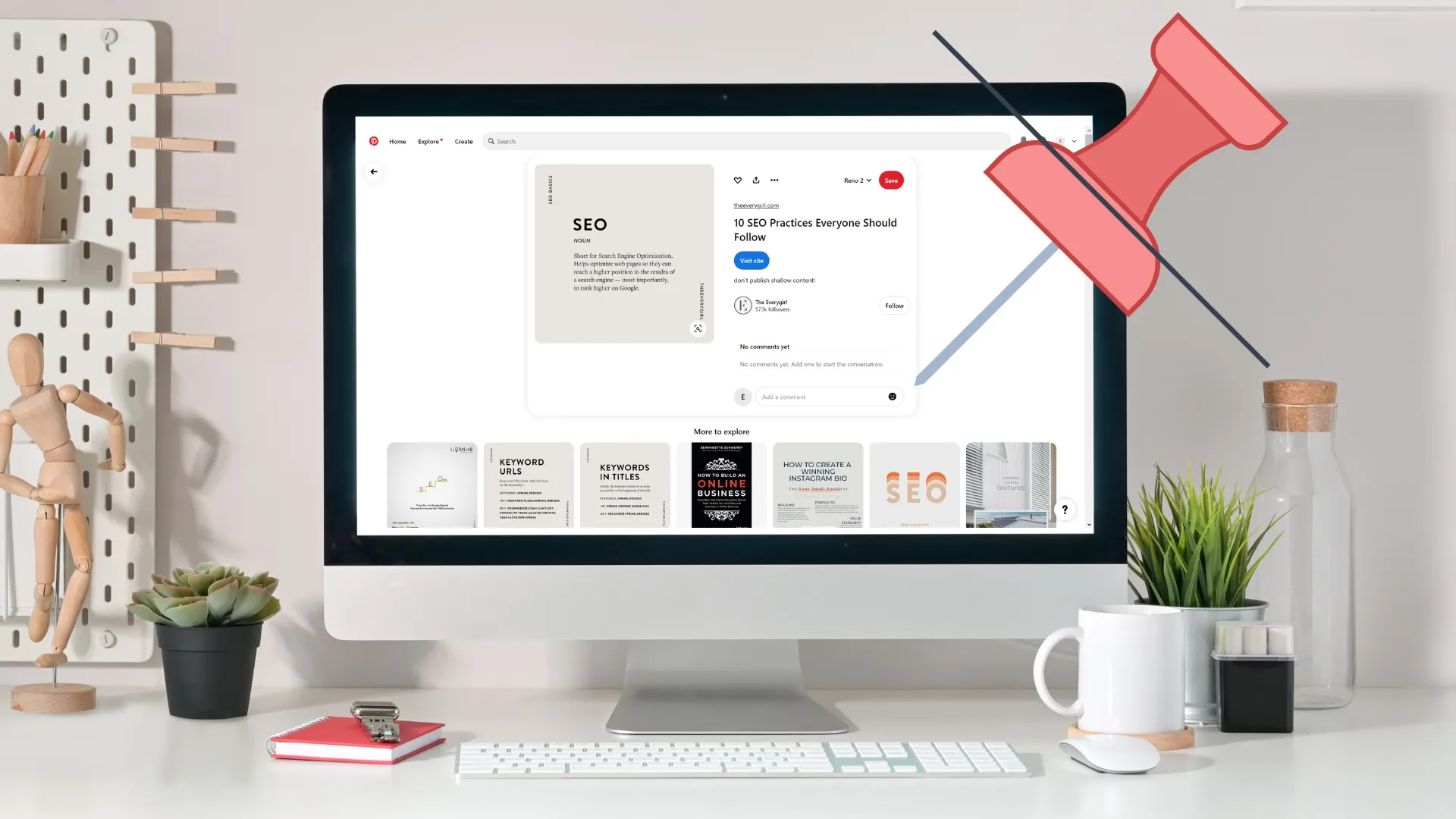
When you think about it, Pinterest is not really a social media platform but more of a search engine. While it does allow users to follow and [...]
When a social media post starts gaining traction, you’ll often receive prompts from the platform encouraging you to reach a wider audience by boosting the post. A [...]
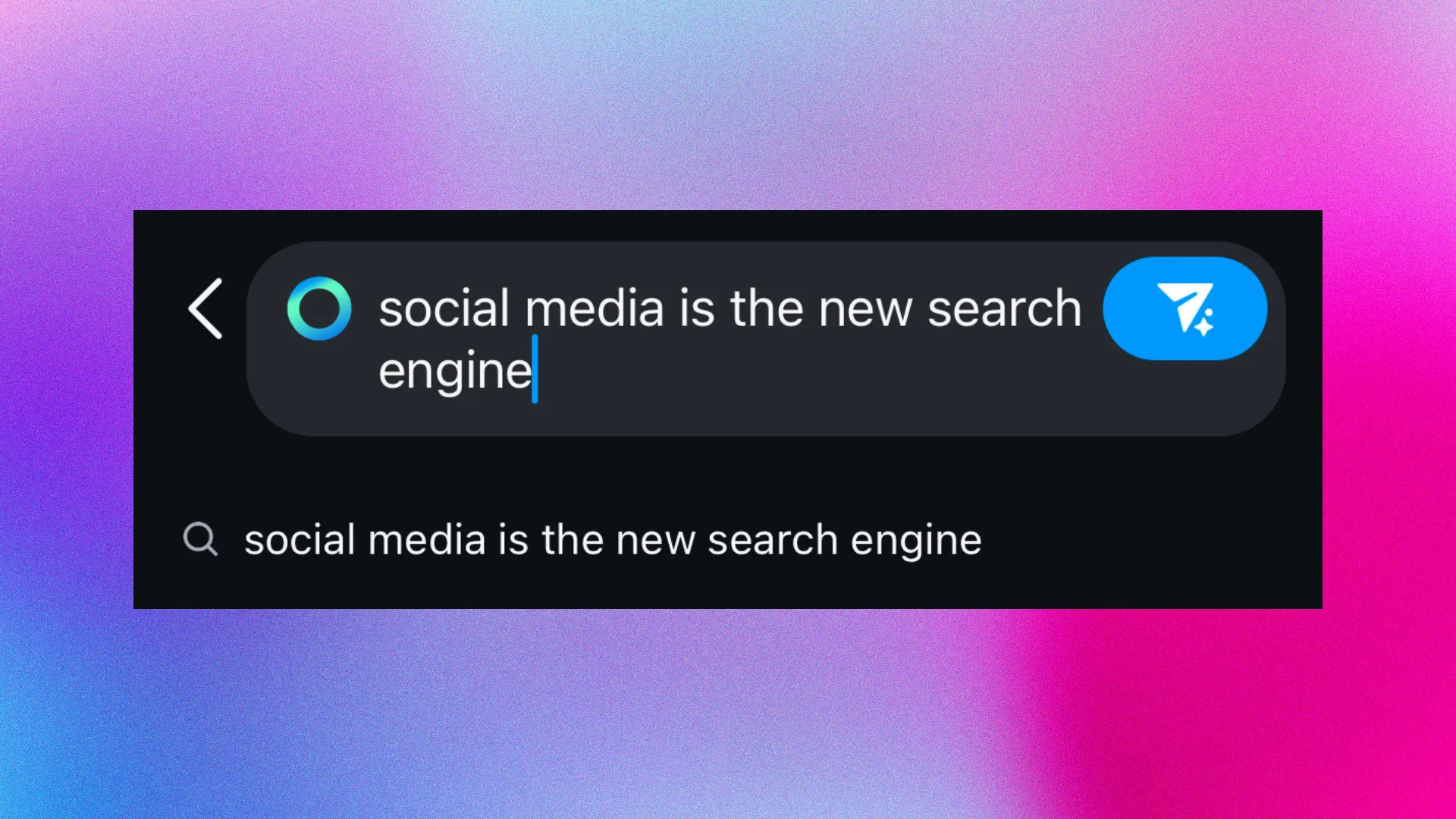
In our last article, we explored the rise of zero-click searches and its impact on how we find information online. This shift in user behaviour has also [...]

One of our biggest takeaways from State of Social 2024 was the evolution of zero-click searches and the impact it will have on the way we do [...]
Consumers are becoming more emotive in their buying decisions and are craving genuine connections with brands. Enter low-fidelity (lo-fi) content. More than just a passing trend, lo-fi content [...]
Last week, Facebook announced a major update: 'Views' will now replace impressions as the primary metric for posts and Stories. This change aligns with Instagram's recent metric [...]
It’s the second week of November, and Black Friday promotions are in full swing; emails, ads, organic posts. But, how many of these promotions are you actually paying [...]
Google’s new search feature, AI Overviews, has recently launched in Australia, transforming how we interact with search engines. With AI-generated summaries now appearing directly in search engine [...]
TikTok can be polarising. Those who use it, love it. Those who don’t often find it confusing or aren’t sure how it could fit into their social media [...]
We’ve been geeking out over our latest Audience Intelligence Reports which rolled out to our clients over the last two weeks. Separate from our monthly digital marketing [...]
When you think about it, Pinterest is not really a social media platform but more of a search engine. While it does allow users to follow and [...]
When a social media post starts gaining traction, you’ll often receive prompts from the platform encouraging you to reach a wider audience by boosting the post. A [...]
In our last article, we explored the rise of zero-click searches and its impact on how we find information online. This shift in user behaviour has also [...]
One of our biggest takeaways from State of Social 2024 was the evolution of zero-click searches and the impact it will have on the way we do [...]