
Every month, the same social media questions surface across client calls, emails and workshops. Not always the same words, but the same underlying worry: are we doing this right?
Over the past few weeks, four questions have come up more than any others. They’re worth answering properly, because the short answer to each one is usually “it depends” – and that’s rarely helpful on its own.
Do we need to follow trends?
Trends are a discovery tool. When a sound, format or format-of-the-week gains traction, platforms push that content harder, which means more people who don’t already follow you can find you. That’s real, measurable value.
But chasing every trend is a fast way to look like you’re trying too hard. Audiences can tell the difference between a brand having fun with something relevant and a brand awkwardly retrofitting a punchline it doesn’t understand.
Our filter is simple: is it relatable to your audience, and does it make sense coming from you? If the answer to both is yes, jump on it. If you have to explain why your brand is doing it, skip it. There will be another trend next week.
Is it bad to delete comments?
Generally, yes.
There’s a strong instinct to make criticism disappear, especially when it’s public and visible under a post you’ve spent time and money on. But deleting a comment rarely ends the conversation – it just moves it somewhere you can’t see or influence.
Responding openly does the opposite. It signals that you’re confident enough in what you’re selling to stand behind it, and it shows every other person reading the thread that you engage rather than hide. That’s how trust gets built in public.
There’s an upside most brands miss, too: a genuine question or complaint in your comments is often the exact thing hundreds of other people are quietly wondering. Answer it well and you have your next piece of content.
The exception is straightforward – spam, abuse and anything that breaches your community standards should go. Disagreement isn’t abuse, though, and the two shouldn’t be treated the same way.
Why isn’t my content getting as much engagement as my competitors?
Before we look at your content, we look at theirs.
What are they actually posting? Is it entertainment-led, built to be watched and shared? Is it educational? Is it a founder talking to camera with a personality your competitor happens to have and you don’t? Engagement is not a neutral scoreboard. It reflects the kind of content being made, and entertainment content will almost always out-engage considered, informative content on a like-for-like basis.
The second question is whether their approach is even on brand for you. Copying a competitor’s format because it performs is how brands end up with an audience that likes their content and never buys anything.
The third question is the one that matters most: what is engagement for? If you’re a B2B service business, a post with 40 engagements from the right 40 people is worth more than 4,000 from the wrong ones. If your goal is reach and awareness, engagement is a reasonable proxy. If your goal is qualified leads, it usually isn’t.
Work out what you’re actually measuring before you decide you’re losing.
How many times should I post per week?
There’s no magic number, and anyone who gives you one without asking about your resources is guessing.
Consistency beats volume, every time. One strong post a week that you can sustain for a year will do more for you than five posts a week for six weeks followed by silence. Platforms reward regular activity, audiences build habits around it and both punish inconsistency.
So start with what you can realistically maintain given your team, your budget and your appetite. Get that rhythm stable. Then scale up – because increasing cadence on a foundation that already works is a much easier problem to solve than rescuing a strategy that collapsed under its own weight.
The pattern
Look closely and all four questions share a root: the temptation to do what everyone else is doing, at the pace everyone else is doing it.
The most successful brands online are rarely the loudest. They’re the ones who know what they’re for, who they’re talking to and what they’re actually trying to achieve – and who show up consistently enough for it to compound.
If you’ve been asking yourself any of the above, we’d be happy to talk it through.
- All
- AI Search & Marketing
- Digital Marketing
- Digital Strategy
- Ecommerce
- Google Analytics
- Instagram Stories
- Marketing
- Meta
- Search Engine Marketing
- Search Engine Optimisation
- Social Media
- Social Media
- Social Media Advertising
- Social Media Marketing
- Social Media Strategy
- Uncategorized

Starting December 13, 2024, Instagram is removing the ability to follow hashtags in the app. This change follows Instagram CEO Adam Mosseri’s recent video Story which explains that [...]

Consumers are becoming more emotive in their buying decisions and are craving genuine connections with brands. Enter low-fidelity (lo-fi) content. More than just a passing trend, lo-fi content [...]

Last week, Facebook announced a major update: 'Views' will now replace impressions as the primary metric for posts and Stories. This change aligns with Instagram's recent metric [...]

It’s the second week of November, and Black Friday promotions are in full swing; emails, ads, organic posts. But, how many of these promotions are you actually paying [...]
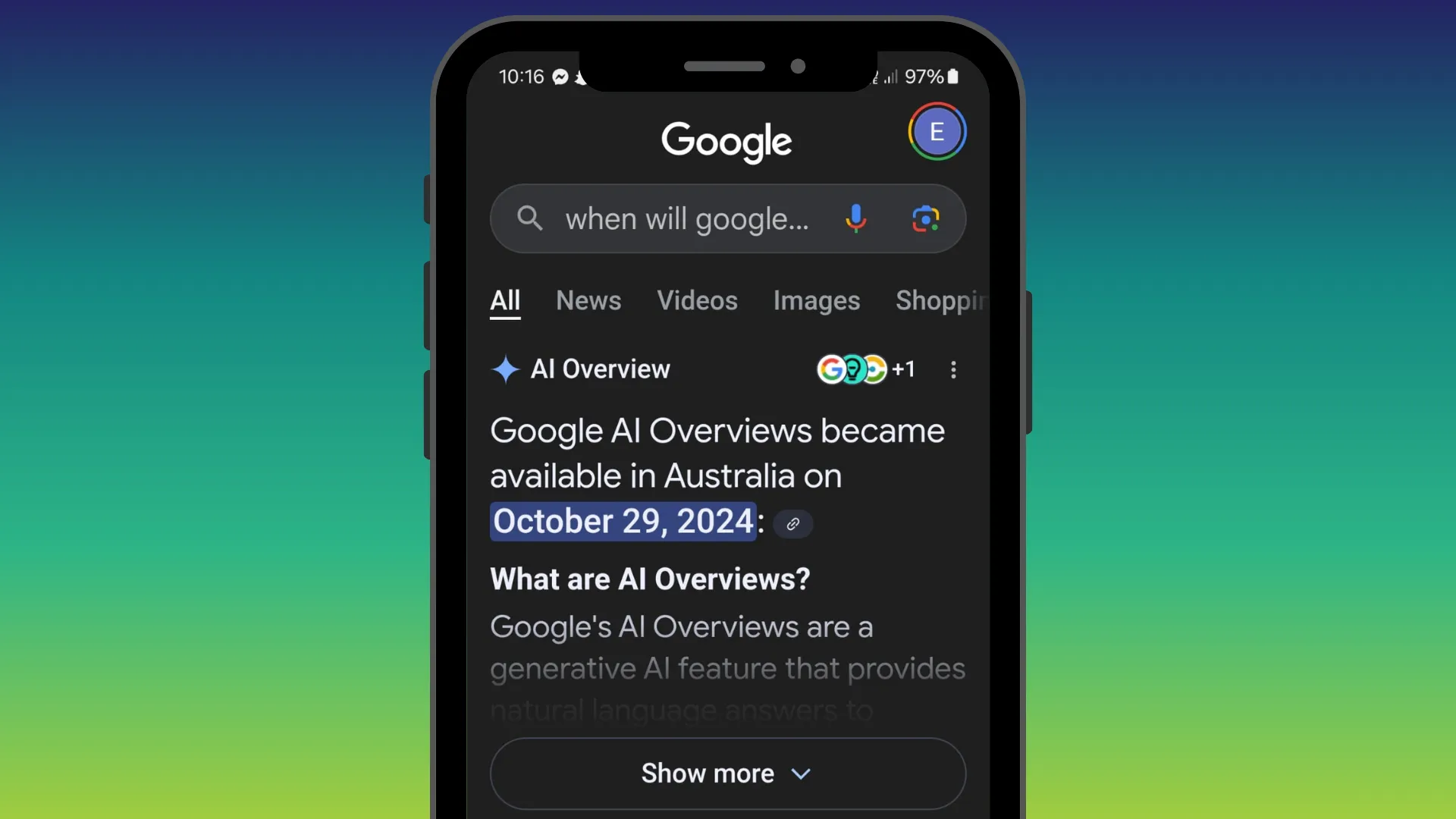
Google’s new search feature, AI Overviews, has recently launched in Australia, transforming how we interact with search engines. With AI-generated summaries now appearing directly in search engine [...]

TikTok can be polarising. Those who use it, love it. Those who don’t often find it confusing or aren’t sure how it could fit into their social media [...]

We’ve been geeking out over our latest Audience Intelligence Reports which rolled out to our clients over the last two weeks. Separate from our monthly digital marketing [...]
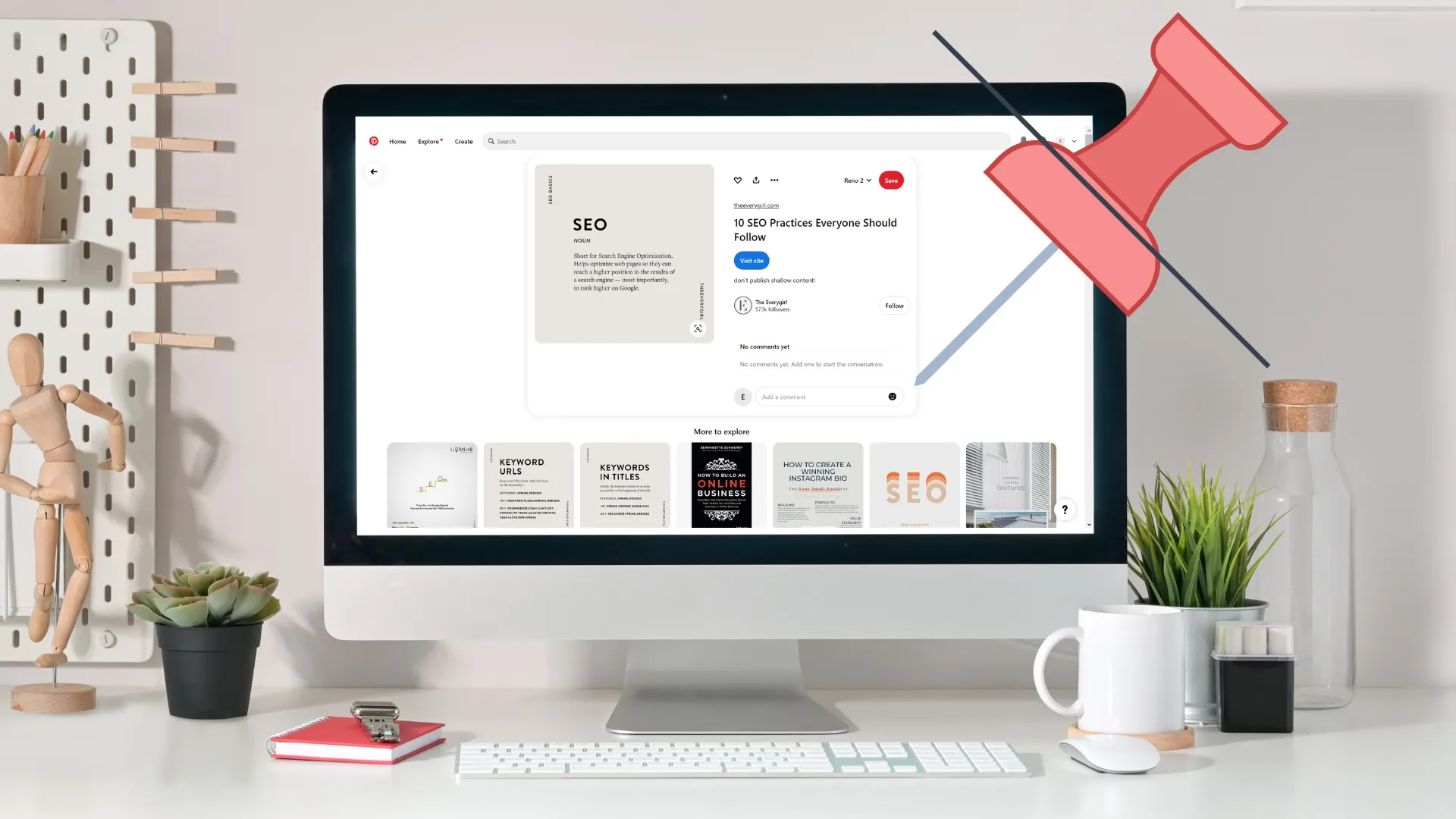
When you think about it, Pinterest is not really a social media platform but more of a search engine. While it does allow users to follow and [...]
When a social media post starts gaining traction, you’ll often receive prompts from the platform encouraging you to reach a wider audience by boosting the post. A [...]
In our last article, we explored the rise of zero-click searches and its impact on how we find information online. This shift in user behaviour has also [...]
Starting December 13, 2024, Instagram is removing the ability to follow hashtags in the app. This change follows Instagram CEO Adam Mosseri’s recent video Story which explains that [...]
Consumers are becoming more emotive in their buying decisions and are craving genuine connections with brands. Enter low-fidelity (lo-fi) content. More than just a passing trend, lo-fi content [...]
Last week, Facebook announced a major update: 'Views' will now replace impressions as the primary metric for posts and Stories. This change aligns with Instagram's recent metric [...]
It’s the second week of November, and Black Friday promotions are in full swing; emails, ads, organic posts. But, how many of these promotions are you actually paying [...]
Google’s new search feature, AI Overviews, has recently launched in Australia, transforming how we interact with search engines. With AI-generated summaries now appearing directly in search engine [...]
TikTok can be polarising. Those who use it, love it. Those who don’t often find it confusing or aren’t sure how it could fit into their social media [...]
We’ve been geeking out over our latest Audience Intelligence Reports which rolled out to our clients over the last two weeks. Separate from our monthly digital marketing [...]
When you think about it, Pinterest is not really a social media platform but more of a search engine. While it does allow users to follow and [...]
When a social media post starts gaining traction, you’ll often receive prompts from the platform encouraging you to reach a wider audience by boosting the post. A [...]
In our last article, we explored the rise of zero-click searches and its impact on how we find information online. This shift in user behaviour has also [...]