For a lot of advertisers, success is defined by one thing:
Did it convert?
If the answer is no, the campaign gets questioned. Budget gets cut. And the activity gets labelled as “waste.”
It’s an understandable mindset, especially for smaller businesses where every dollar feels like it needs to justify itself immediately. But there’s a problem with this way of thinking.
It confuses harvesting demand with creating it.
The Trap: Only chasing what already exists
Performance marketing is powerful because it captures people who are already in-market.
People searching.
People comparing.
People ready to act.
And when you show up at that exact moment with the right offer, it works. But, there are only so many of those people at any given time.
When your entire strategy is focused on conversions, you’re competing for the same limited pool as everyone else.
- Costs go up
- Efficiency drops
- Growth plateaus
Not because your ads are bad, but because you’ve stopped feeding the system new demand.
The misunderstood role of “non-converting” ads
Not every ad is supposed to convert.
Some ads exist to:
- Introduce your brand
- Build familiarity
- Shape perception
- Stay top of mind
These are the ads that rarely get credit in reporting. They don’t show up as last-click conversions. They don’t dominate your ROAS dashboard.
But they do something far more important:
They make your future conversion campaigns work better.
When someone finally is in-market, they won’t be seeing you for the first time.
They’re thinking:
“I’ve heard of these guys before.”
And that changes everything.
Why small brands feel this the most
Larger brands understand this dynamic. They invest in brand because they can.
However, smaller advertisers often feel like they can’t afford to, so they go all-in on performance. And in the short term, it works. But over time, something happens:
- Cost per acquisition increases
- Conversion rates flatten
- Growth slows
Because they’re relying on existing demand instead of creating new demand.
Ironically, this is what makes them spend more… not less.
Full-funnel isn’t a luxury. It’s a growth strategy.
There’s a misconception that full-funnel marketing is something you “graduate into.”
It’s not. It’s how you avoid hitting a ceiling in the first place.
The same platforms.
The same creatives.
The same budgets.
Just deployed with a broader objective:
- Some activity captures demand
- Some activity creates it
Together, they compound.
The compounding effect most advertisers miss
When you invest in both sides of the funnel:
- Your click-through rates improve
- Your conversion rates increase
- Your cost per acquisition decreases
Not because you optimised harder… but because your audience is warmer before they even click.
This is where efficiency actually comes from. Not just better targeting. Not just better creative. But better context.
Think about it this way
Performance marketing answers demand. Marketing creates it.
If you only focus on one, you limit your growth.
If you understand the relationship between the two, you unlock both short-term efficiency and long-term scale.
- All
- AI Search & Marketing
- Digital Marketing
- Digital Strategy
- Ecommerce
- Google Analytics
- Instagram Stories
- Marketing
- Meta
- Search Engine Marketing
- Search Engine Optimisation
- Social Media
- Social Media
- Social Media Advertising
- Social Media Marketing
- Social Media Strategy
- Uncategorized
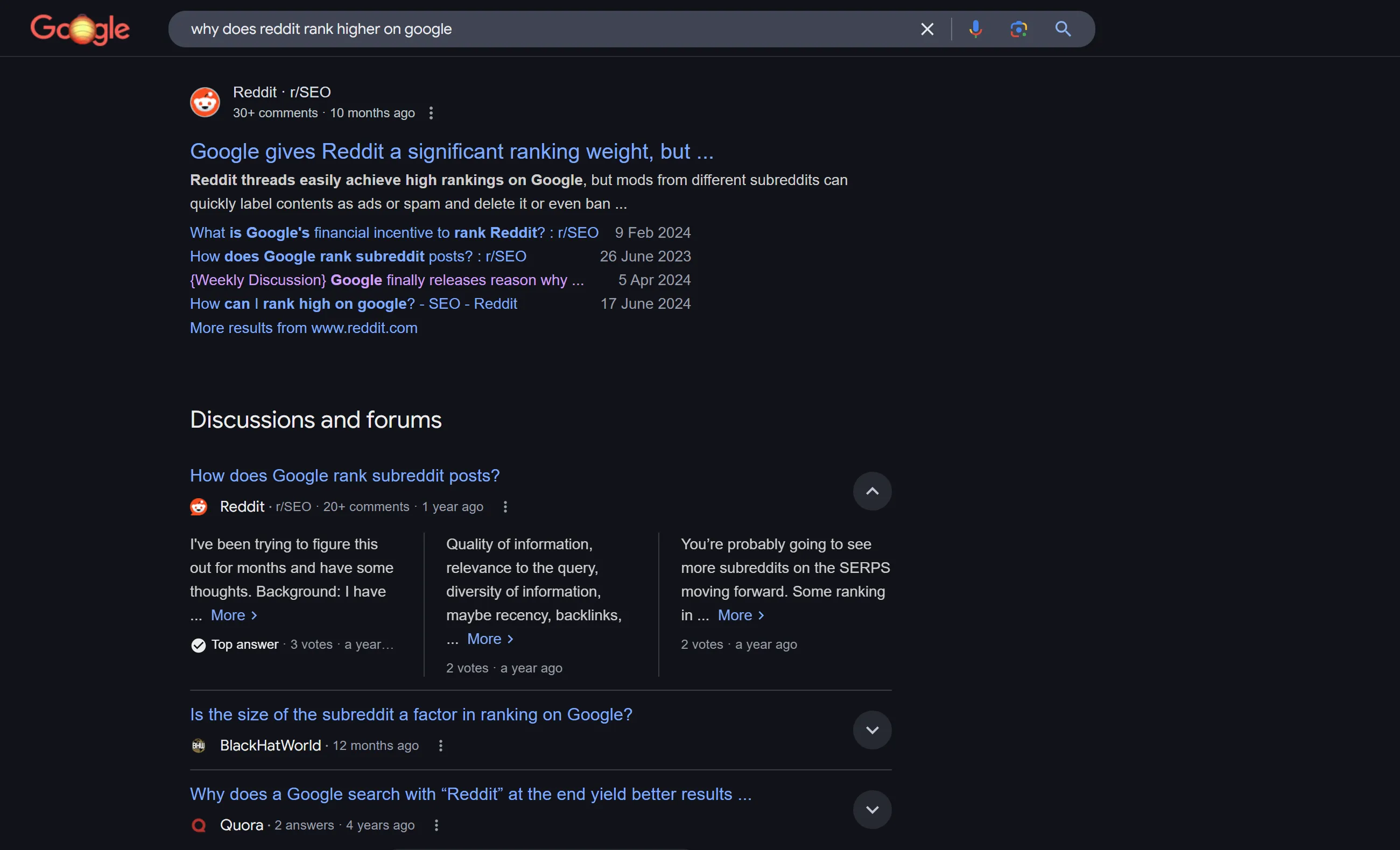
Have you noticed more Reddit and Quora threads appearing in Google search results? Whether you're looking for product recommendations or step-by-step guides, chances are you'll find a [...]

It’s a total coincidence that the title of this article rhymes, but hey, let’s make it a catch cry; thrive in 2025! This year is shaping up [...]

Starting December 13, 2024, Instagram is removing the ability to follow hashtags in the app. This change follows Instagram CEO Adam Mosseri’s recent video Story which explains that [...]
Consumers are becoming more emotive in their buying decisions and are craving genuine connections with brands. Enter low-fidelity (lo-fi) content. More than just a passing trend, lo-fi content [...]

Last week, Facebook announced a major update: 'Views' will now replace impressions as the primary metric for posts and Stories. This change aligns with Instagram's recent metric [...]

It’s the second week of November, and Black Friday promotions are in full swing; emails, ads, organic posts. But, how many of these promotions are you actually paying [...]
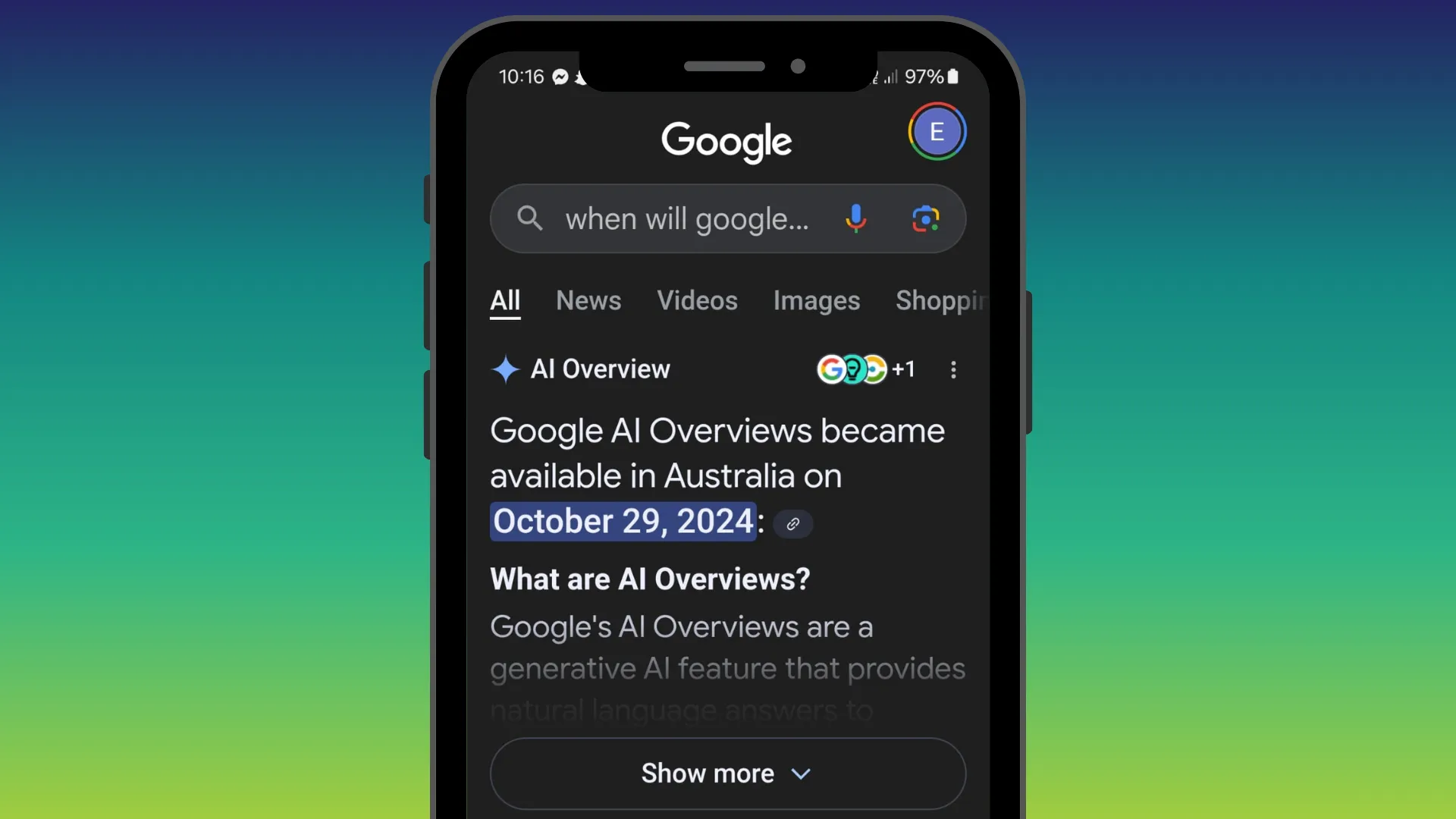
Google’s new search feature, AI Overviews, has recently launched in Australia, transforming how we interact with search engines. With AI-generated summaries now appearing directly in search engine [...]
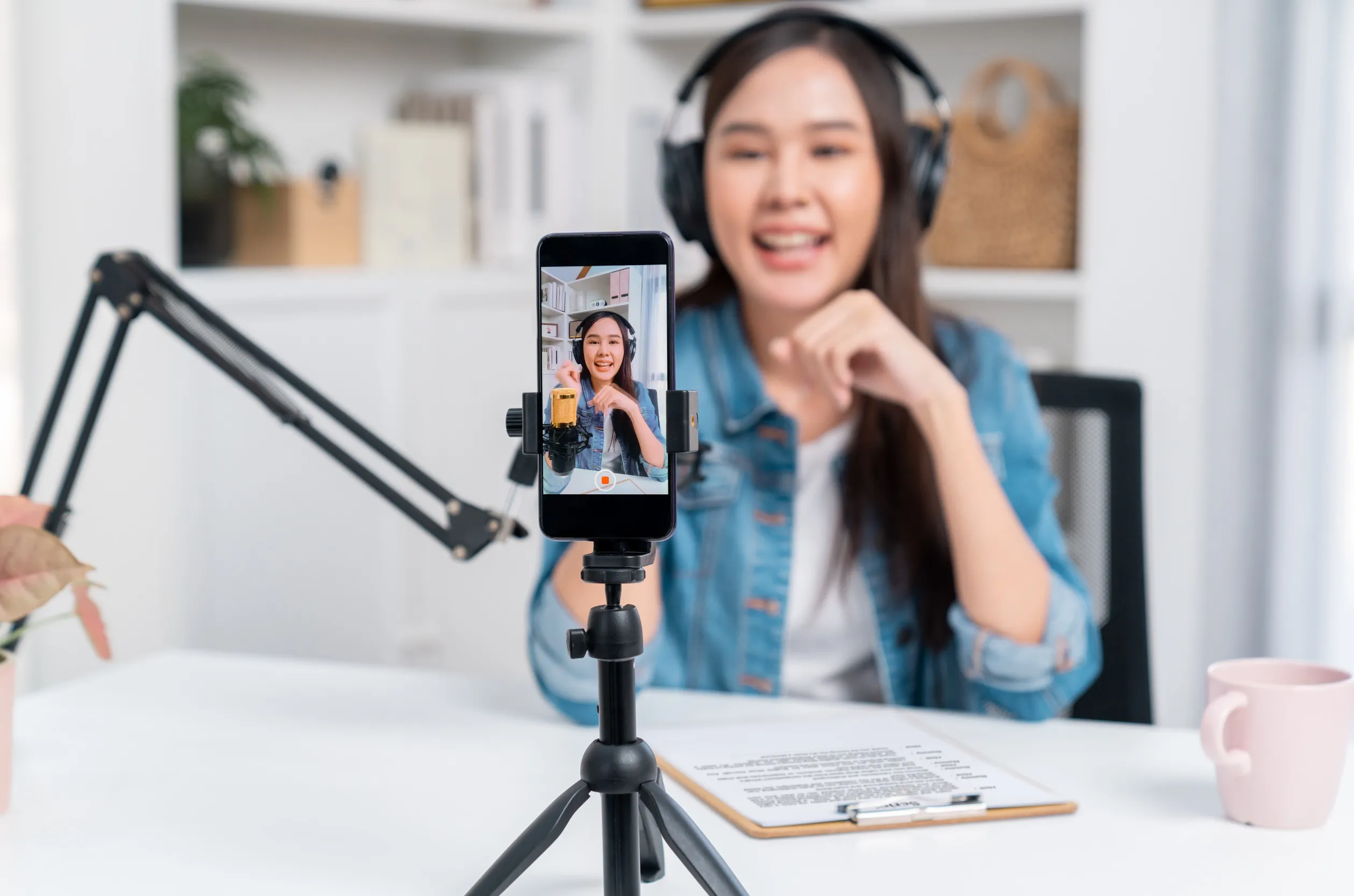
TikTok can be polarising. Those who use it, love it. Those who don’t often find it confusing or aren’t sure how it could fit into their social media [...]

We’ve been geeking out over our latest Audience Intelligence Reports which rolled out to our clients over the last two weeks. Separate from our monthly digital marketing [...]
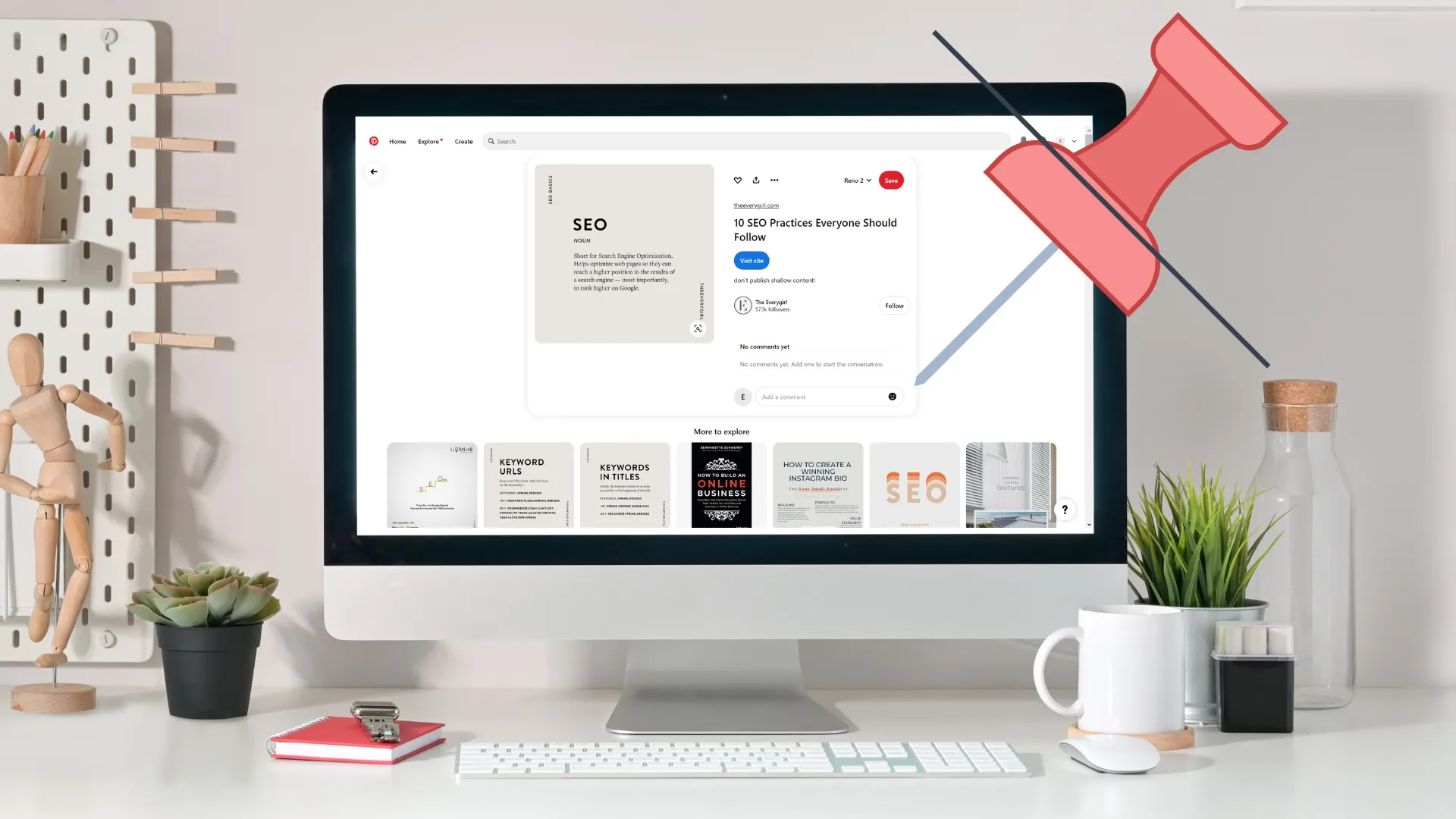
When you think about it, Pinterest is not really a social media platform but more of a search engine. While it does allow users to follow and [...]
Have you noticed more Reddit and Quora threads appearing in Google search results? Whether you're looking for product recommendations or step-by-step guides, chances are you'll find a [...]
It’s a total coincidence that the title of this article rhymes, but hey, let’s make it a catch cry; thrive in 2025! This year is shaping up [...]
Starting December 13, 2024, Instagram is removing the ability to follow hashtags in the app. This change follows Instagram CEO Adam Mosseri’s recent video Story which explains that [...]
Consumers are becoming more emotive in their buying decisions and are craving genuine connections with brands. Enter low-fidelity (lo-fi) content. More than just a passing trend, lo-fi content [...]
Last week, Facebook announced a major update: 'Views' will now replace impressions as the primary metric for posts and Stories. This change aligns with Instagram's recent metric [...]
It’s the second week of November, and Black Friday promotions are in full swing; emails, ads, organic posts. But, how many of these promotions are you actually paying [...]
Google’s new search feature, AI Overviews, has recently launched in Australia, transforming how we interact with search engines. With AI-generated summaries now appearing directly in search engine [...]
TikTok can be polarising. Those who use it, love it. Those who don’t often find it confusing or aren’t sure how it could fit into their social media [...]
We’ve been geeking out over our latest Audience Intelligence Reports which rolled out to our clients over the last two weeks. Separate from our monthly digital marketing [...]
When you think about it, Pinterest is not really a social media platform but more of a search engine. While it does allow users to follow and [...]