When marketers analyse ad performance, the instinct is often to focus on the obvious winners; the ads generating the most clicks, conversions or revenue. Those are the creatives that get celebrated in reporting dashboards and campaign summaries.
But there’s a quieter group of ads that rarely get the same recognition.
Supporting creatives.
These are the ads that may not appear to convert directly, but they still play an important role in moving someone toward a purchase decision.
And in modern advertising platforms like Meta, they matter more than many marketers realise.
Not every ad is meant to convert (anymore)
One of the biggest shifts in digital advertising over the last 24 months is how platforms distribute creative across the customer journey.
Meta’s algorithm doesn’t simply look for the ad that converts. It looks for the combination of ads that helps a person move from awareness to action.
That means different creatives often serve different purposes:
-
One ad introduces the brand
-
Another builds familiarity
-
Another reinforces trust
-
Another finally drives the conversion
If you only judge performance based on last-click conversions, you risk misunderstanding how the campaign is actually working.
And the award for “Best Supporting Actor” goes to…
A useful way to think about supporting creatives is through an awards show analogy.
In film and television, there’s a reason awards like Best Supporting Actor or Best Supporting Actress exist. These roles might not be the main character of the TV show or movie, but they often play a critical role in lifting the entire production.
Elizabeth Debicki won the Primetime Emmy Award for Outstanding Supporting Actress for her role in The Crown. Her performance helped elevate the story and strengthen the impact of the lead characters.
Advertising works in a similar way.
Some ads are the “lead actors” – the ones that generate the conversion. But they often perform better because other creatives have already set the stage. Supporting creatives build familiarity, reinforce trust and help prepare the audience for the final decision.
Without them, the star performer often wouldn’t shine quite as brightly.
The ad that plants the seed
Imagine someone scrolling Instagram who sees your brand for the first time.
They might watch part of a video ad.
They might look at an image.
They might pause for a second.
But they don’t click.
At first glance, that ad looks like a failure.
Yet a few days later, when another creative from your campaign appears, the user recognises the brand. The mental barrier is lower. The decision feels easier.
That second ad gets the click.
But the first ad helped make it possible.
This is the quiet influence of supporting creatives.
Why turning ads off too quickly can hurt performance
A common optimisation habit is to pause ads that are not producing direct conversions.
Historically, this made sense. Campaign structures were more rigid and optimisation was more manual.
But modern ad algorithms work differently.
They are constantly testing which creative combinations work best for different users at different stages. When you remove an ad too quickly, you may unintentionally remove a piece of the system that helps the algorithm guide users through the funnel.
The result can be a drop in overall campaign performance, even if the paused ad never produced a single conversion on its own.
Campaigns work best as a creative ecosystem
Instead of thinking about ads as individual performers, it’s more useful to think about them as part of a creative ecosystem.
Each creative contributes something slightly different:
-
Educational ads explain the product
-
Social proof ads build credibility
-
Product demos show how it works
-
Direct-response ads drive the final action
Together, they create momentum.
When campaigns include a variety of creative types, platforms like Meta have more signals to work with and more opportunities to match the right message to the right user.
Not every ad needs to be the star of the campaign.
Some creatives convert immediately.
Others build familiarity.
Others reinforce trust.
All of them contribute to the final result.
So before turning off an ad that appears to be underperforming, it’s worth asking a different question:
Is this creative helping the system work better overall?
Because in many campaigns, the ads you barely notice in the reporting dashboard are quietly doing some of the most important work behind the scenes.
- All
- AI Search & Marketing
- Digital Marketing
- Digital Strategy
- Ecommerce
- Google Analytics
- Instagram Stories
- Marketing
- Meta
- Search Engine Marketing
- Search Engine Optimisation
- Social Media
- Social Media
- Social Media Advertising
- Social Media Marketing
- Social Media Strategy
- Uncategorized

For years, social media worked like… well, social media. You followed accounts.You saw their content.You engaged with people you knew or chose to follow. But that’s not [...]
At the end of 2025, we wrote about the rise of the Slow Social Era - the idea that audiences are becoming more intentional with how they consume [...]
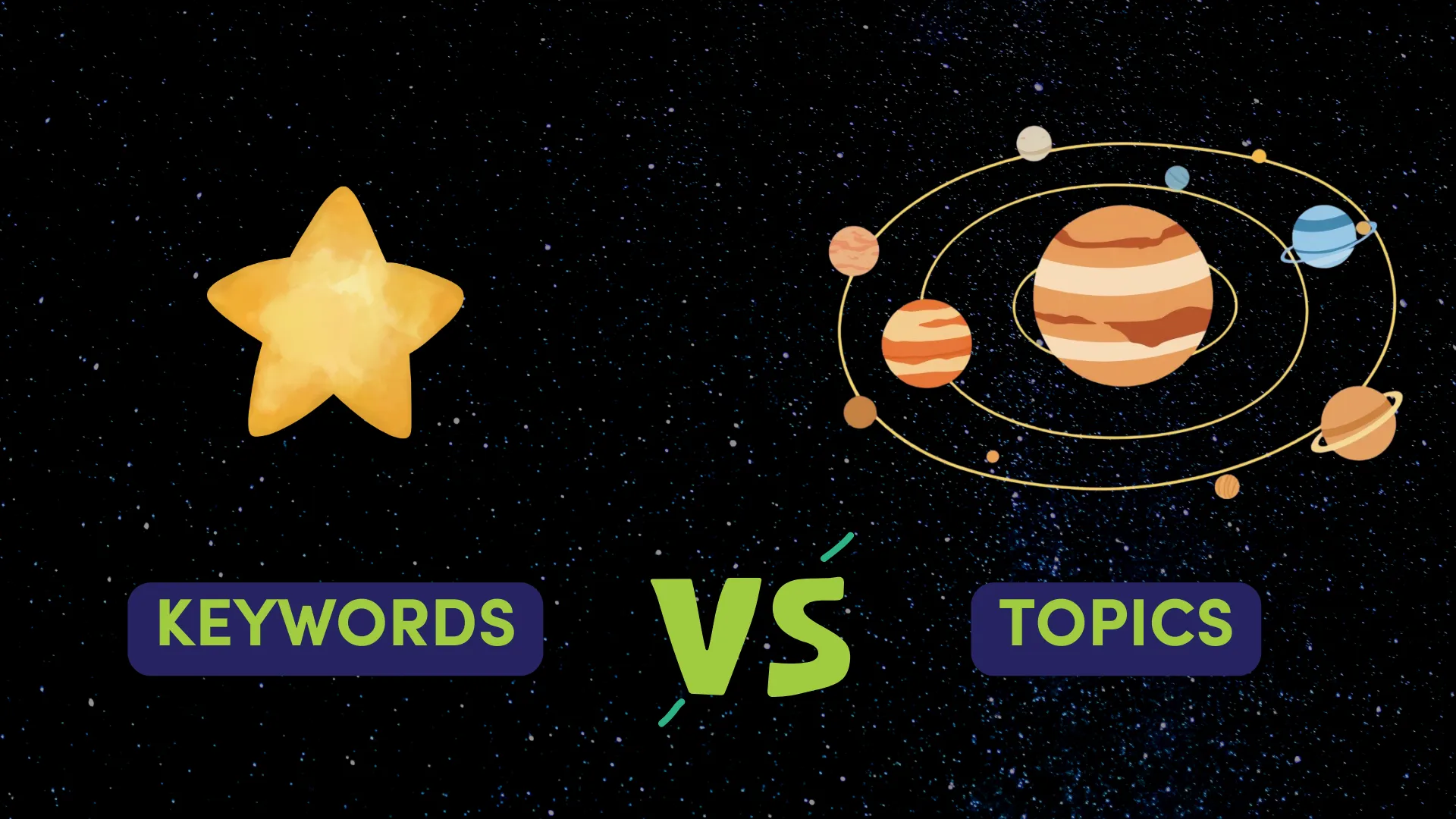
Are keywords dead? No, they’re not. But the way we use them has changed. Instead of focusing on one keyword at a time, we now need to [...]

Search is changing. For years, businesses focused on ranking in Google. If your website appeared on page one for the right keywords, customers could find you. Today, [...]

When marketers analyse ad performance, the instinct is often to focus on the obvious winners; the ads generating the most clicks, conversions or revenue. Those are the [...]
Well it's been 5 months since Google AI Mode officially launched in Australia and the effects on search behaviour, traffic patterns and SEO strategy are clearer and [...]
Most organisations are obsessed with reach - and so they should be. They want new audiences, new eyeballs, new followers - who doesn't? They pour budget into [...]
Recently we explored the Mere Exposure Effect - the psychological principle that says people tend to develop a preference for things simply because they’re familiar with them. [...]
For years, Meta ads were managed like a machine you had to constantly tweak. Adjust the bid strategy. Restructure the campaign. Turn off underperformers quickly. Optimise daily. [...]

If you're finding your Meta ads lately are becoming more expensive and less effective, the problem probably isn't your targeting or your budget. The Meta Ads algorithm [...]
For years, social media worked like… well, social media. You followed accounts.You saw their content.You engaged with people you knew or chose to follow. But that’s not [...]
At the end of 2025, we wrote about the rise of the Slow Social Era - the idea that audiences are becoming more intentional with how they consume [...]
Are keywords dead? No, they’re not. But the way we use them has changed. Instead of focusing on one keyword at a time, we now need to [...]
Search is changing. For years, businesses focused on ranking in Google. If your website appeared on page one for the right keywords, customers could find you. Today, [...]
When marketers analyse ad performance, the instinct is often to focus on the obvious winners; the ads generating the most clicks, conversions or revenue. Those are the [...]
Well it's been 5 months since Google AI Mode officially launched in Australia and the effects on search behaviour, traffic patterns and SEO strategy are clearer and [...]
Most organisations are obsessed with reach - and so they should be. They want new audiences, new eyeballs, new followers - who doesn't? They pour budget into [...]
Recently we explored the Mere Exposure Effect - the psychological principle that says people tend to develop a preference for things simply because they’re familiar with them. [...]
For years, Meta ads were managed like a machine you had to constantly tweak. Adjust the bid strategy. Restructure the campaign. Turn off underperformers quickly. Optimise daily. [...]
If you're finding your Meta ads lately are becoming more expensive and less effective, the problem probably isn't your targeting or your budget. The Meta Ads algorithm [...]