Well it’s been 5 months since Google AI Mode officially launched in Australia and the effects on search behaviour, traffic patterns and SEO strategy are clearer and more profound than we initially expected.
Google’s AI-powered search experience has fundamentally changed how we – users – find information, how Google serves us answers and how businesses need to show up if they want to be visible and competitive.
What is Google AI Mode?
In layman’s terms, Google’s AI Mode is the smarter version of Google Search.
It goes beyond traditional blue-link search results to provide direct, conversational, AI-generated answers with citations and follow-up capabilities.
It sits alongside and, in most cases now, reads over the top of the classic search results we’re used to.
We’ve entered the age of Zero-Click Search
One of the clearest trends is the rise of zero-click searches, where users find the answers they need without visiting a website.
-
When AI Overviews appear, click-through to traditional search results drops significantly. Studies have shown CTR decreases in the 30–60% range.
-
Fewer than 1 in 10 users click through after seeing an AI answer.
-
Early Australian data suggests similar patterns emerging locally as AI Mode and AI Overviews become standard.
This doesn’t mean search traffic is disappearing but much of it now ends without a visit to a website. Users get answers in-page or via the AI experience itself.
What this means for Traditional SEO
-
Ranking #1 is no longer enough. Even top-ranked pages might get bypassed if AI answers fill the user’s intent before they scroll.
-
Impressions may rise while Click-Through Rates fall, leaving common SEO metrics looking disconnected from impact unless you dig deeper.
Tracking and measurement have become real challenges
One of the biggest early frustrations for SEO professionals – us included – has been visibility into AI Mode referral traffic.
-
In the early months, AI Mode clicks weren’t available in Google Search Console, making it hard to know how much visibility your content gets through AI answers vs. organic listings.
-
Some reports suggest Search Console has since started folding AI Mode data into performance reports, but without clear labels or segmentation.
Businesses still ranking well might not realise they’re being used in AI answers, because traditional analytics don’t clearly distinguish AI-assisted visibility from organic search traffic.
The SEO metric sheet has evolved
With AI primarily serving answers rather than links, SEO metrics are shifting:
Old metrics that matter less now:
-
Raw sessions
-
Organic clicks
-
Keyword rankings alone
New or emerging metrics to consider:
-
AI citations & impressions (being referenced by AI Mode generated answers)
-
Brand visibility in answer responses
-
SERP feature share & presence in AI boxes
-
Engagement on local profiles & direct actions (calls, bookings, directions)
-
Conversions on site and in-SERP behaviours
Marketers now talk about Answer Engine Optimisation (AEO) or Generative Engine Optimisation (GEO): strategies centred on being trusted and cited by AI, not just ranking.
User behaviour is changing, fast
Five months into this AI Mode experience, Australians are increasingly asking questions differently:
-
More natural language queries
-
Complex multi-part questions
-
Fewer “keyword chains,” more conversational searches
This matches broader trends that show users adapting to AI capabilities, effectively training themselves to use search more like “chat” than “browse.”
For brands, this means content needs to:
-
Answer nuanced questions clearly
-
Use structured data and semantic markup
-
Elevate credibility and expertise over keyword density
Not all searches are equal – Local & Transactional still matter
Despite the shift, not every type of search is dominated by AI answer boxes:
-
Local and transactional queries, like shopping or “business near me”, still drive actions and clicks, especially where Google pulls local profile data.
-
Paid listings and Maps interactions also play a growing role as AI reshapes what users see first and foremost.
For businesses, this means local optimisation and paid support are becoming indispensable parts of an effective visibility strategy, not optional extras.
The opportunity isn’t gone, it’s just different
It’s easy to fall into doom-and-gloom narratives, but the shift towards AI doesn’t make SEO irrelevant; it evolves it.
The brands succeeding in this era are:
-
Crafting authoritative, answer-ready content that AI Mode can quote
-
Tracking brand mentions and impression share rather than clicks alone
-
Expanding visibility beyond the website (profiles, Q&A forums, knowledge assets)
-
Using structured data to help AI understand and trust their content
Visibility isn’t just about occupying the top rank anymore. It’s about being the trusted source the AI pulls from first.
The SEO rules have changed, but they’re still learnable
Google AI Mode is reshaping search behaviour, analytics and how visibility is earned. It’s a shift from engine optimisation to engagement and authority optimisation:
SEO used to be about being found.
Now, it’s about being trusted and being quoted.
If your marketing strategy still reads like 2015 SEO, you’re missing the bigger picture. But if you adapt to the AI era by embracing new visibility metrics, authoritative content and flexible multi-channel presence, the opportunity ahead may be broader than ever.
- All
- AI Search & Marketing
- Digital Marketing
- Digital Strategy
- Ecommerce
- Google Analytics
- Instagram Stories
- Marketing
- Meta
- Search Engine Marketing
- Search Engine Optimisation
- Social Media
- Social Media
- Social Media Advertising
- Social Media Marketing
- Social Media Strategy
- Uncategorized

One of our biggest takeaways from State of Social 2024 was the evolution of zero-click searches and the impact it will have on the way we do [...]
Have you noticed a drop in engagement on your brand’s Instagram posts? Likes not flowing as much as what they used to? The good news is you’re [...]
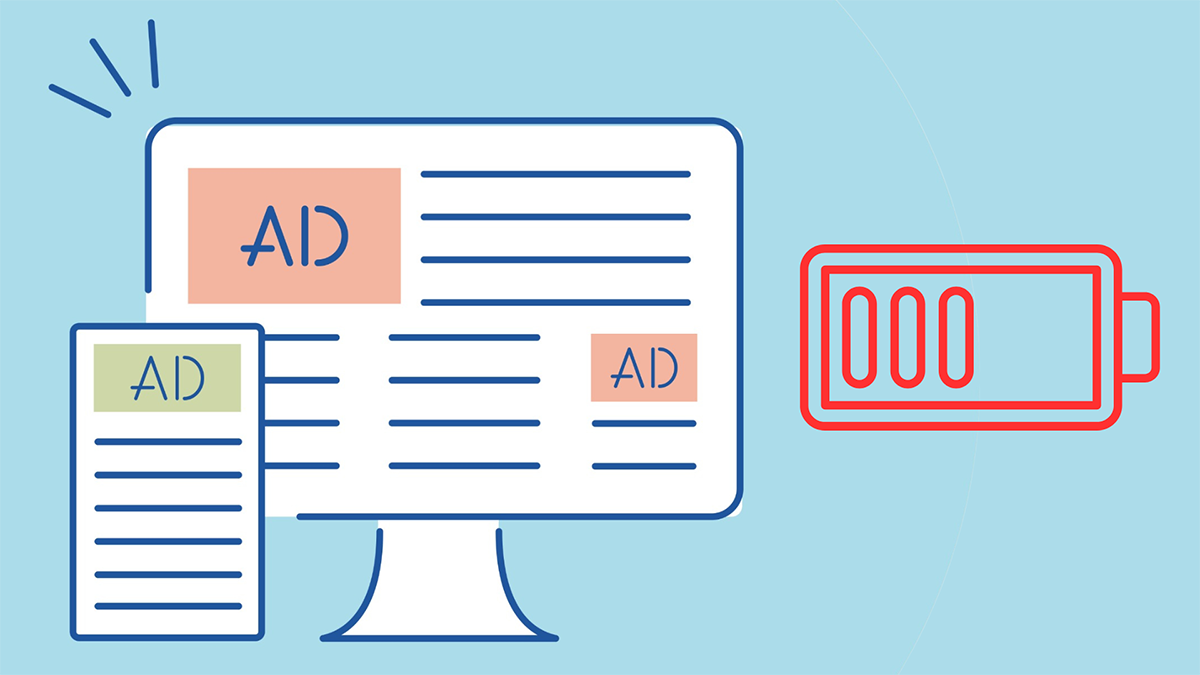
Did you know that after approximately 4 exposures to your ad, your conversions can drop by almost half? As Meta increasingly emphasises broad targeting, the effectiveness of [...]
This year has been challenging for both businesses and consumers, with rising cost-of-living pressures leading to shifts in retail habits. During these quieter times, it’s crucial to [...]
When it comes to protecting your intellectual property (IP), it’s essential to understand the distinctions between copyright and trade marks, as each serves a unique purpose in safeguarding your creative and business assets.

If you’ve recently created a paid campaign on Facebook (or Meta as it’s now known), you’ve probably noticed the platform is trying to skew you towards using [...]

The results from our Audience Intelligence Reports for Q2 have incited some interesting conversations amongst our team. For those of you who don’t know, our quarterly Audience [...]
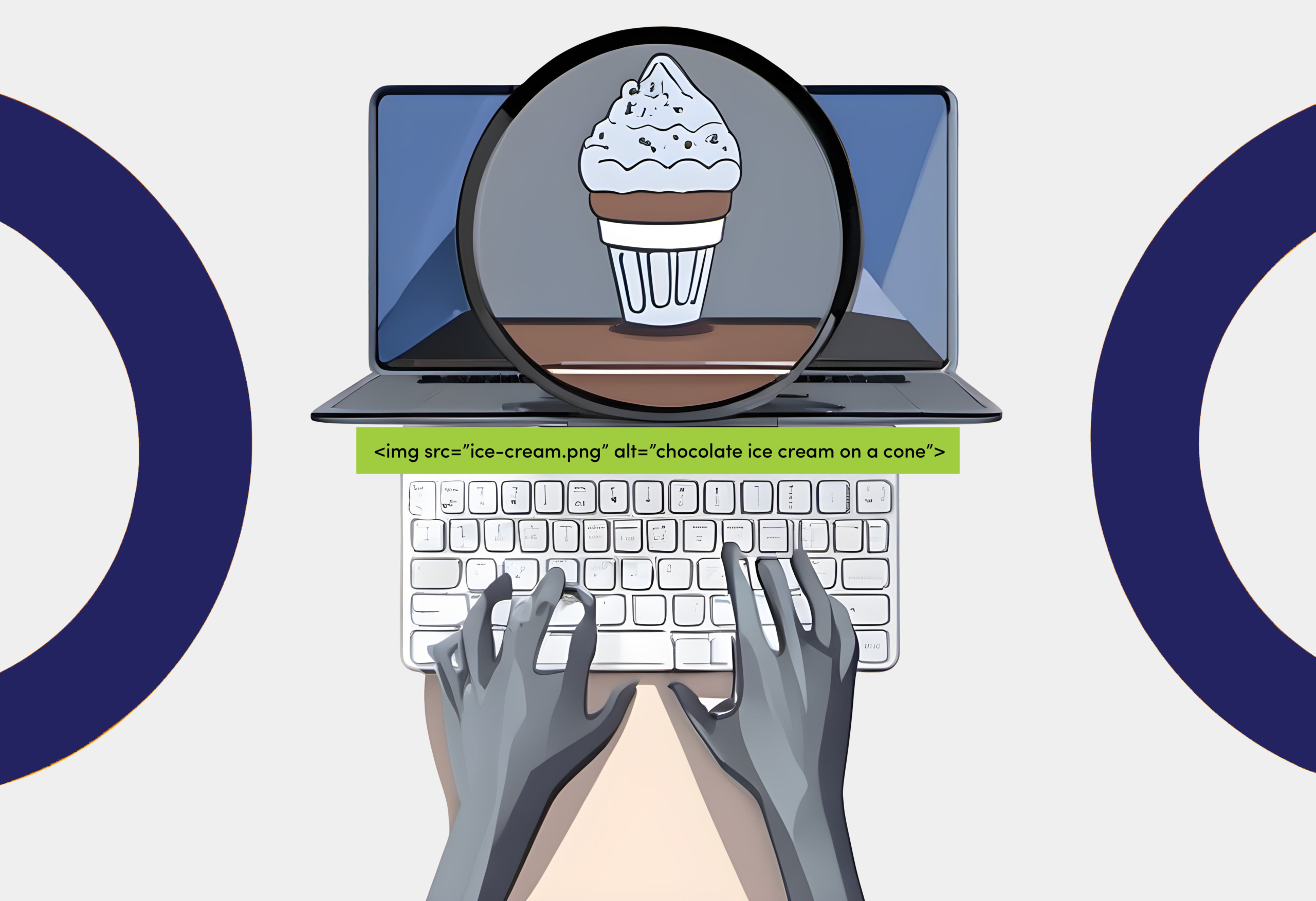
If you’ve been following our tips to improve your website and social media accessibility, you will have seen us harp on about the importance of image alt [...]
Developing an inclusive website accessible to people with diverse abilities is not only best practice, but pivotal to user experience (UX). With 1-in-6 Australians living with a [...]
Blue brands cater to a diverse group of audiences from different backgrounds and levels of ability. For example, government agencies will often promote services, campaigns and ideas [...]
One of our biggest takeaways from State of Social 2024 was the evolution of zero-click searches and the impact it will have on the way we do [...]
Have you noticed a drop in engagement on your brand’s Instagram posts? Likes not flowing as much as what they used to? The good news is you’re [...]
Did you know that after approximately 4 exposures to your ad, your conversions can drop by almost half? As Meta increasingly emphasises broad targeting, the effectiveness of [...]
This year has been challenging for both businesses and consumers, with rising cost-of-living pressures leading to shifts in retail habits. During these quieter times, it’s crucial to [...]
When it comes to protecting your intellectual property (IP), it’s essential to understand the distinctions between copyright and trade marks, as each serves a unique purpose in safeguarding your creative and business assets.
If you’ve recently created a paid campaign on Facebook (or Meta as it’s now known), you’ve probably noticed the platform is trying to skew you towards using [...]
The results from our Audience Intelligence Reports for Q2 have incited some interesting conversations amongst our team. For those of you who don’t know, our quarterly Audience [...]
If you’ve been following our tips to improve your website and social media accessibility, you will have seen us harp on about the importance of image alt [...]
Developing an inclusive website accessible to people with diverse abilities is not only best practice, but pivotal to user experience (UX). With 1-in-6 Australians living with a [...]
Blue brands cater to a diverse group of audiences from different backgrounds and levels of ability. For example, government agencies will often promote services, campaigns and ideas [...]