Recently we explored the Mere Exposure Effect – the psychological principle that says people tend to develop a preference for things simply because they’re familiar with them.
In marketing terms; the brands people see more often are the brands they’re more likely to trust.
But understanding the theory is one thing. Executing it properly, without spamming your audience, is another.
Let’s break down exactly what this looks like in a simple, real-world digital marketing scenario.
The Scenario: A Local Physiotherapy Clinic
Imagine a local physiotherapy clinic trying to attract new patients.
They’re not famous.
They don’t have a huge budget.
They just want more bookings.
Here’s how they could apply the Mere Exposure Effect using both organic and paid digital marketing.
Step 1: Consistent Organic Visibility (Not Viral Content)
Most small businesses make this mistake:
They post occasionally.
They try to “go viral.”
They give up when it doesn’t work.
That’s not how familiarity is built.
Instead, the clinic commits to:
-
Posting 2–3 times per week on Instagram and Facebook
-
Sharing short educational tips (“3 stretches for lower back pain”)
-
Posting patient FAQs
-
Showing behind-the-scenes clinic moments
-
Featuring the physio explaining common injuries on video
None of this content needs to explode.
It just needs to show up consistently.
The goal isn’t reach. The goal is repeated exposure.
Even if someone doesn’t engage, they’re thinking:
“I keep seeing this clinic around.”
That’s the Mere Exposure Effect quietly doing its job.
Step 2: Paid Ads That Amplify Familiarity (Not Just Conversions)
Now let’s layer in paid advertising.
Many businesses jump straight to “Book Now” ads.
But if people have never heard of you, that’s a cold ask.
Instead, the clinic runs:
Phase 1: Low-Cost Awareness Ads
-
Short educational videos
-
Testimonials
-
Simple “Meet the Physio” content
-
Ads optimised for reach or video views
These ads don’t push hard for bookings.
They just increase frequency.
Now someone scrolling Instagram has:
-
Seen the clinic organically
-
Watched a tip video
-
Seen a testimonial ad
Without realising it, the brand feels familiar.
Step 3: Retargeting With Intent-Based Offers
Only after exposure builds do we introduce conversion ads.
Now the clinic runs:
-
“Book your first session – new patient discount”
-
“Claim your injury assessment”
But these ads are shown to:
-
People who watched 50%+ of videos
-
Website visitors
-
People who engaged with posts
Now the message lands differently.
It’s not:
“Who are you?”
It’s:
“Oh, I’ve seen these guys before.”
What This Looks Like in Practice (Simple Funnel)
Here’s the structure in plain English:
-
Show up consistently.
-
Increase visibility through paid awareness ads.
-
Retarget engaged users with conversion offers.
-
Repeat over time.
Not once.
Not for two weeks.
Over months.
The Mere Exposure Effect works because familiarity compounds.
What Most Businesses Get Wrong
They:
-
Run ads for 30 days
-
Pause everything
-
Restart months later
-
Change messaging constantly
That breaks familiarity.
Brand recognition isn’t built in bursts.
It’s built through steady repetition.
Consistency beats intensity.
A Simple Rule of Thumb for Marketers
If someone in your target audience sees your brand:
-
Once → You’re forgettable
-
Three times → You’re recognisable
-
Seven+ times → You’re familiar
-
Ongoing exposure → You’re trusted
Trust doesn’t come from one campaign.
It comes from presence.
Organic + Paid Is the Multiplier
Organic builds authenticity.
Paid builds scale.
Together, they accelerate familiarity.
And familiarity is what makes people choose you over the competitor they saw once.
The Bigger Strategic Takeaway
The Mere Exposure Effect isn’t about spamming feeds.
It’s about engineered visibility.
When you design your digital strategy around consistent exposure, rather than random bursts of activity, you move from hoping to be noticed to systematically becoming known.
And in competitive markets, being known is often the edge.
- All
- AI Search & Marketing
- Digital Marketing
- Digital Strategy
- Ecommerce
- Google Analytics
- Instagram Stories
- Marketing
- Meta
- Search Engine Marketing
- Search Engine Optimisation
- Social Media
- Social Media
- Social Media Advertising
- Social Media Marketing
- Social Media Strategy
- Uncategorized

We often hear that attention spans are decreasing, particularly among Gen Z. Social media platforms like TikTok and Instagram are often blamed, with headlines suggesting that endless [...]
Google has started rolling out its brand-new AI Mode in countries like the United States, India, Canada and even New Zealand - but not yet in Australia. [...]
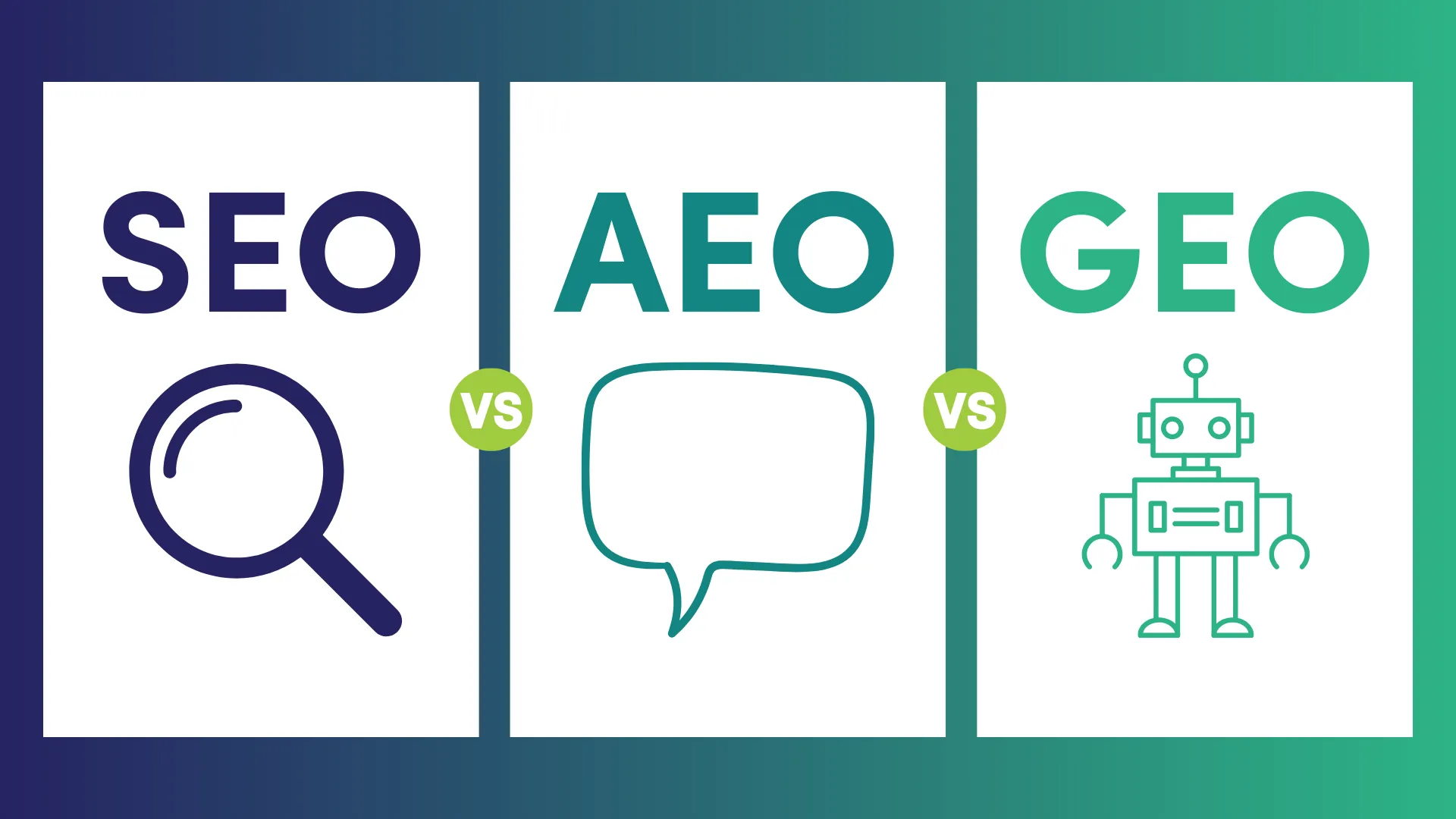
For years, Search Engine Optimisation (SEO) was the golden rule of digital marketing. Optimise keywords. Earn backlinks. Climb the rankings. But the way people find answers is [...]
When you see a paid ad, nine times out of ten, you're probably not clicking on it. Instead, you'll likely hop over to Google, search the brand [...]
In digital advertising, audience targeting has always been both an art and a science. But what if the science just got smarter - a lot smarter? We’ve [...]
With attention spans getting shorter and competition fiercer, brands are constantly searching for that magic formula to stand out. But the answer isn’t always a bold campaign [...]
A billion searches were made on ChatGPT last week alone. Now, OpenAI is turning those queries into a powerful new retail experience. ChatGPT recently launched its AI [...]
Google’s AI Overviews are reshaping search by pulling answers from the places people are actually talking: Reddit, YouTube, Quora and other community-driven platforms. According to new data [...]
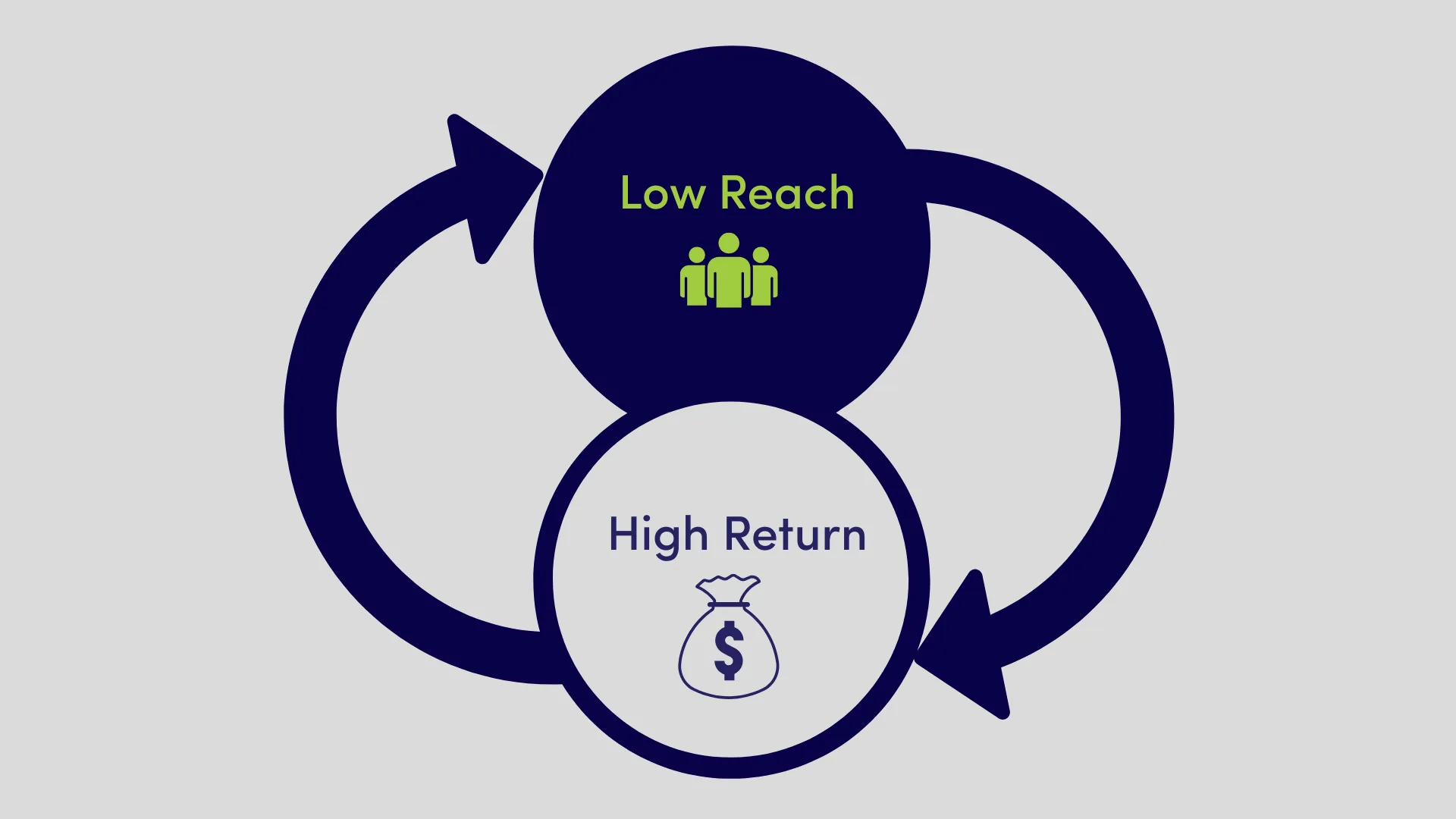
We recently posted a simple promotion on a client’s social media account. It was about a niche product - nothing flashy, not designed to go viral, just [...]
Starting July 10, 2025, public posts from professional Instagram accounts will start appearing in Google search results. That means your photos, Reels and videos could soon show [...]
We often hear that attention spans are decreasing, particularly among Gen Z. Social media platforms like TikTok and Instagram are often blamed, with headlines suggesting that endless [...]
Google has started rolling out its brand-new AI Mode in countries like the United States, India, Canada and even New Zealand - but not yet in Australia. [...]
For years, Search Engine Optimisation (SEO) was the golden rule of digital marketing. Optimise keywords. Earn backlinks. Climb the rankings. But the way people find answers is [...]
When you see a paid ad, nine times out of ten, you're probably not clicking on it. Instead, you'll likely hop over to Google, search the brand [...]
In digital advertising, audience targeting has always been both an art and a science. But what if the science just got smarter - a lot smarter? We’ve [...]
With attention spans getting shorter and competition fiercer, brands are constantly searching for that magic formula to stand out. But the answer isn’t always a bold campaign [...]
A billion searches were made on ChatGPT last week alone. Now, OpenAI is turning those queries into a powerful new retail experience. ChatGPT recently launched its AI [...]
Google’s AI Overviews are reshaping search by pulling answers from the places people are actually talking: Reddit, YouTube, Quora and other community-driven platforms. According to new data [...]
We recently posted a simple promotion on a client’s social media account. It was about a niche product - nothing flashy, not designed to go viral, just [...]
Starting July 10, 2025, public posts from professional Instagram accounts will start appearing in Google search results. That means your photos, Reels and videos could soon show [...]