For years, Meta ads were managed like a machine you had to constantly tweak.
- Adjust the bid strategy.
- Restructure the campaign.
- Turn off underperformers quickly.
- Optimise daily.
In 2026, that approach is outdated.
The brands seeing the strongest results today are feeding the algorithm with high-quality, diverse creative, and letting it do what it’s built to do.
Here’s what’s changed.
Meta is now a creative optimisation engine
Meta’s algorithm has become extremely effective at pairing the right piece of content with the right user at the right moment.
Instead of manually engineering outcomes, your role now is to supply:
- Multiple creative angles
- Different hooks
- Varied formats (video, static, testimonial, insight-led, etc.)
- Messaging that speaks to different stages of awareness
Meta then tests these combinations by matching creatives to users based on behaviour, intent and predicted response.
The more creative variation you provide, the more data the system has to work with.
And that’s where performance is unlocked.
Campaign tweaks matter less than they used to
In the past, advertisers spent a disproportionate amount of time adjusting:
- Bid strategies
- Audience segmentation
- Campaign structures
- Budget allocation
While those levers still exist, but they’re no longer the main driver of results.
Creative is.
If your inputs are weak, no amount of structural optimisation will fix performance.
If your creative is strong and varied, the algorithm can often outperform manual adjustments.
Spend less time engineering the machine. Spend more time fuelling it properly.
Stop turning ads off too quickly
One of the biggest mindset shifts that even we’ve had to grapple with is:
Turning ads on and off too frequently can actually damage performance.
Previously, it was common practice to switch off anything that didn’t convert within a few days.
Now, that approach can restrict the algorithm.
Meta needs:
- Time
- Data
- Creative diversity
When you remove ads prematurely, you reduce its ability to learn and find effective combinations.
An ad that looks “underwhelming” after three days may simply not have found its ideal audience segment yet.
That doesn’t mean it won’t.
Think in systems, not individual winners
It’s no longer about identifying one “winning” ad.
It’s about building a portfolio of creative that works together.
Different creatives play different roles in the customer journey:
- One ad sparks initial awareness
- Another generates comments and conversation (building trust)
- Another gets saved for later
- Another drives clicks
- Another converts
If you judge every ad purely on immediate sales, you miss the bigger picture.
Meta’s algorithm understands this journey. It serves different creative to different users based on where they are in their decision-making process.
An ad that isn’t converting today might be building credibility for tomorrow’s conversion.
That’s why switching it off too early can hurt your overall results.
Give the algorithm breathing room
Proper testing requires patience.
A realistic timeframe to evaluate performance is 7–10 days (at a minimum), and teeny, tiny budgets of $200 won’t cut it anymore.
Shutting down creative after 72 hours because it’s “not working” is no longer aligned with how the system operates.
You want:
- Stable delivery
- Consistent data
- Enough volume for meaningful signals
When you allow campaigns to run, you’ll often see what we call the ‘breakdown effect’, where different creatives begin resonating with different audience segments in measurable ways.
That’s the algorithm doing its job.
Freedom creates efficiency
The irony is this:
The more control advertisers try to exert, the less efficient campaigns often become.
Meta’s system is designed to optimise at scale. Restricting it by:
- Constantly pausing ads
- Over-segmenting audiences
- Micromanaging performance
can reduce its ability to find the right combinations.
Success in 2026 requires a shift in mindset:
You’re no longer manually steering every impression.
You’re setting the conditions for the algorithm to succeed.
- All
- AI Search & Marketing
- Digital Marketing
- Digital Strategy
- Ecommerce
- Google Analytics
- Instagram Stories
- Marketing
- Meta
- Search Engine Marketing
- Search Engine Optimisation
- Social Media
- Social Media
- Social Media Advertising
- Social Media Marketing
- Social Media Strategy
- Uncategorized

Last week, Facebook announced a major update: 'Views' will now replace impressions as the primary metric for posts and Stories. This change aligns with Instagram's recent metric [...]

It’s the second week of November, and Black Friday promotions are in full swing; emails, ads, organic posts. But, how many of these promotions are you actually paying [...]
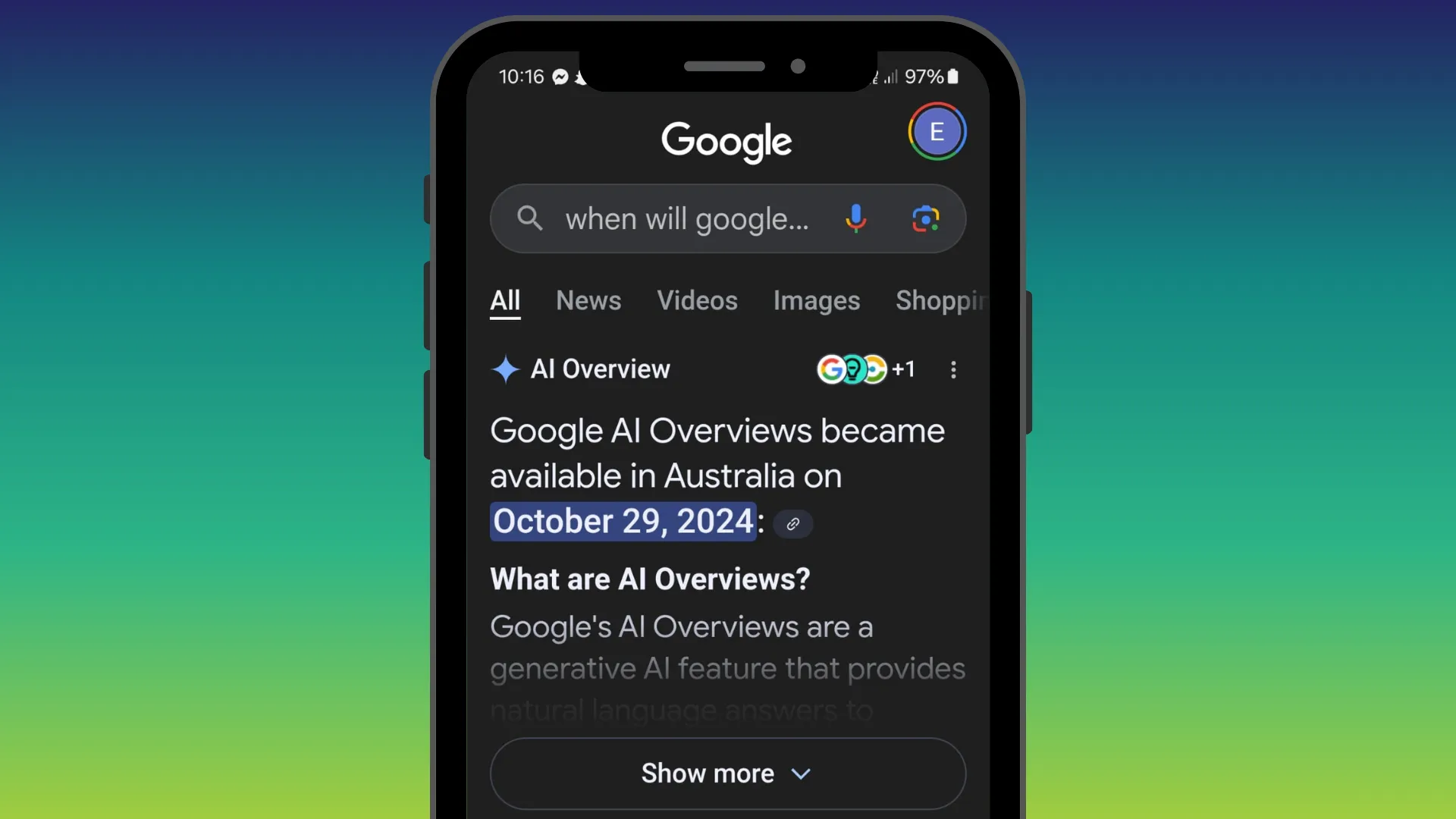
Google’s new search feature, AI Overviews, has recently launched in Australia, transforming how we interact with search engines. With AI-generated summaries now appearing directly in search engine [...]
TikTok can be polarising. Those who use it, love it. Those who don’t often find it confusing or aren’t sure how it could fit into their social media [...]

We’ve been geeking out over our latest Audience Intelligence Reports which rolled out to our clients over the last two weeks. Separate from our monthly digital marketing [...]
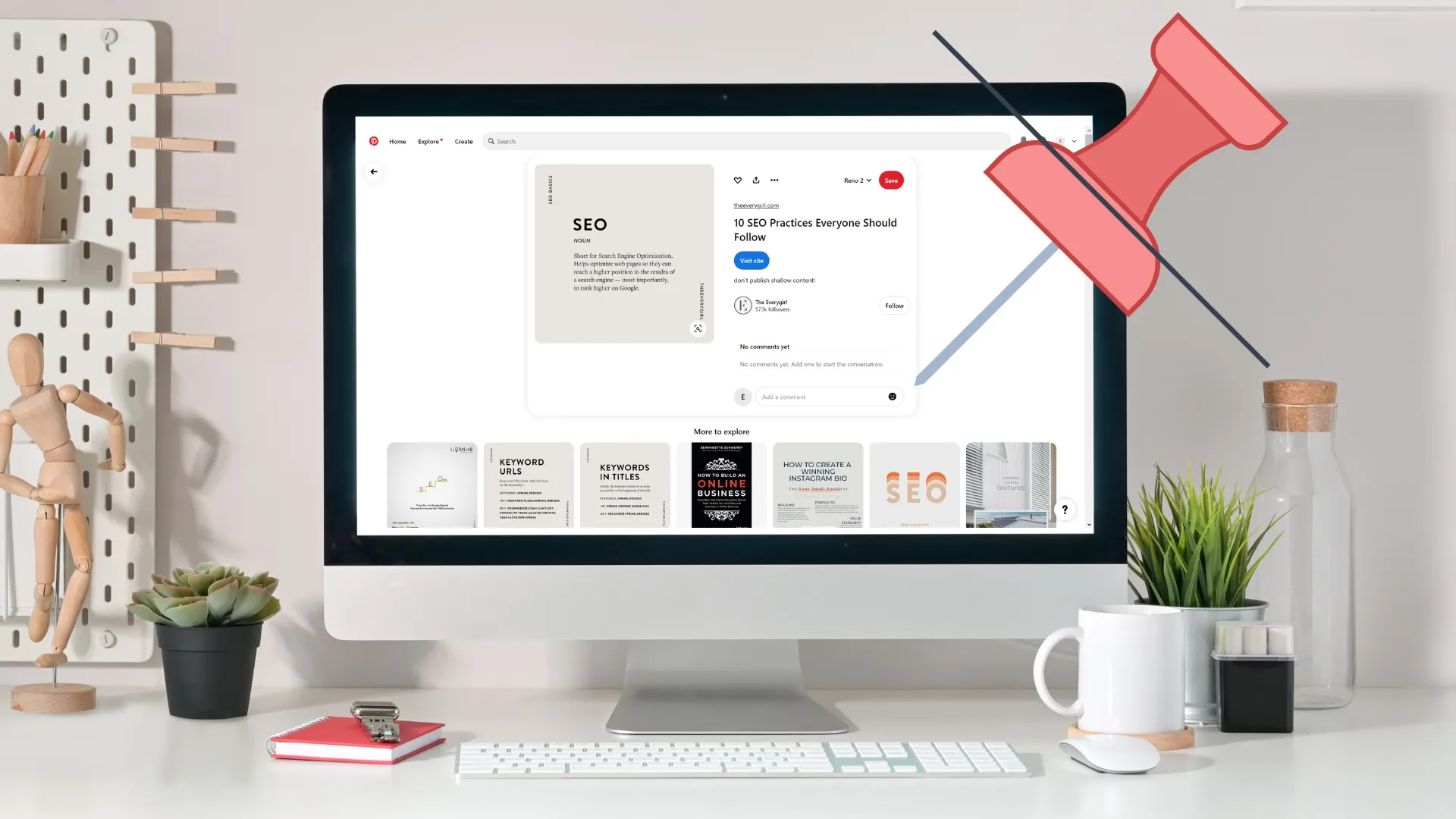
When you think about it, Pinterest is not really a social media platform but more of a search engine. While it does allow users to follow and [...]
When a social media post starts gaining traction, you’ll often receive prompts from the platform encouraging you to reach a wider audience by boosting the post. A [...]
In our last article, we explored the rise of zero-click searches and its impact on how we find information online. This shift in user behaviour has also [...]

One of our biggest takeaways from State of Social 2024 was the evolution of zero-click searches and the impact it will have on the way we do [...]

Have you noticed a drop in engagement on your brand’s Instagram posts? Likes not flowing as much as what they used to? The good news is you’re [...]
Last week, Facebook announced a major update: 'Views' will now replace impressions as the primary metric for posts and Stories. This change aligns with Instagram's recent metric [...]
It’s the second week of November, and Black Friday promotions are in full swing; emails, ads, organic posts. But, how many of these promotions are you actually paying [...]
Google’s new search feature, AI Overviews, has recently launched in Australia, transforming how we interact with search engines. With AI-generated summaries now appearing directly in search engine [...]
TikTok can be polarising. Those who use it, love it. Those who don’t often find it confusing or aren’t sure how it could fit into their social media [...]
We’ve been geeking out over our latest Audience Intelligence Reports which rolled out to our clients over the last two weeks. Separate from our monthly digital marketing [...]
When you think about it, Pinterest is not really a social media platform but more of a search engine. While it does allow users to follow and [...]
When a social media post starts gaining traction, you’ll often receive prompts from the platform encouraging you to reach a wider audience by boosting the post. A [...]
In our last article, we explored the rise of zero-click searches and its impact on how we find information online. This shift in user behaviour has also [...]
One of our biggest takeaways from State of Social 2024 was the evolution of zero-click searches and the impact it will have on the way we do [...]
Have you noticed a drop in engagement on your brand’s Instagram posts? Likes not flowing as much as what they used to? The good news is you’re [...]