Something has shifted online this year, and if you work in marketing, you’ve felt it.
Feeds feel noisier, yet somehow emptier.
Search results loop endlessly.
Trends peak and disappear within days.
Audiences are scrolling more but engaging less.
And for many marketers like us, the question quietly lingering in the background is: Is anyone actually seeing this? Or is everyone just exhausted?
We’re now living in what many are calling The Slow Social Era; a cultural and behavioural shift driven by digital overwhelm, collapsing discovery and the rising desire for more meaningful, human experiences.
So, what exactly is the Slow Social Era?
It’s the collective pushback against the speed, sameness and synthetic feel of the modern internet. People are tired of doomscrolling, tired of AI slop filling their feeds, tired of the pressure to keep up with a content treadmill that never stops.
The Slow Social Era isn’t about deleting social media entirely – it’s about redefining our relationship with it.
It’s about:
-
Intentionality over volume
-
Depth over virality
-
Real connection over chasing the algorithm
-
Offline experiences over online performance
Trends are becoming less interesting.
Novelty has become predictable.
And in a world where everything feels instant, the rarest luxury is time and attention.
Why is this happening now?
There’s a perfect storm behind this shift:
-
AI-generated content is flooding platforms faster than humans can create it, making discovery feel flat and repetitive.
-
Algorithms increasingly mediate what we see, which means we’re losing organic discovery and stumbling across fewer truly new ideas.
-
Digital burnout is rising, especially among younger audiences. Go figure!
-
People are craving experiences that feel tangible, grounded and human.
Gen Z isn’t buying record players, disposable cameras or flip phones just because they’re nostalgic. They’re buying control. They’re choosing slower, simpler tools because they want to feel something real again. Analog is becoming a filter for authenticity.

And that’s bleeding directly into how people use social media.
Where does this leave marketers and brands?
In 2026, as attention becomes increasingly selective, the brands that win will be the ones that earn it, not demand it.
Marketing in the Slow Social Era requires a shift from:
Volume → Value
Trend-jacking → Original thinking
Chasing reach → Building community
Constant posting → Strategic presence
Your audience doesn’t need another random Reel. They don’t need another “Here’s our office dog!” post. They need content that feels like it matters; something they’d actually stop for.
What Slow Social means in practice
Here’s how smart marketers are already evolving:
Post less, but make the posts count
Think quality over frequency. People remember work that is thoughtful, not constant.
Lean into long-form and storytelling
There’s a reason newsletters, podcasts and thoughtful carousels are thriving. People will pay attention when content earns it.
Build direct relationships
Email lists, memberships, private groups and owned communities become critical when discovery collapses.
Invest in offline experiences
Workshops, events, print, packaging, physical brand moments. People want to feel something real, not just scroll past it.
Human-first creativity
Show the thinking, the people, the imperfections. AI can generate content, but it can’t generate soul.
Our prediction for 2026
The most powerful marketing strategy next year won’t be speed. It will be slowness.
Brands will shift from asking “How do we post more?” to “How do we make something worth returning to?”
We’ll see:
-
More creator-led and community-led content
-
More focus on retained attention over reach
-
A return to formats with real substance (blogs included)
-
More hybrid online/offline brand experiences
-
A rise in analog and tactile marketing as digital fatigue peaks
The next status symbol won’t be viral reach. It will be loyal attention.
The most influential brands won’t shout the loudest. They’ll build the deepest relationships.
And the marketers who thrive will be the ones willing to slow down, step back and create with purpose instead of panic.
- All
- AI Search & Marketing
- Digital Marketing
- Digital Strategy
- Ecommerce
- Google Analytics
- Instagram Stories
- Marketing
- Meta
- Search Engine Marketing
- Search Engine Optimisation
- Social Media
- Social Media
- Social Media Advertising
- Social Media Marketing
- Social Media Strategy
- Uncategorized
Starting December 13, 2024, Instagram is removing the ability to follow hashtags in the app. This change follows Instagram CEO Adam Mosseri’s recent video Story which explains that [...]
Consumers are becoming more emotive in their buying decisions and are craving genuine connections with brands. Enter low-fidelity (lo-fi) content. More than just a passing trend, lo-fi content [...]

Last week, Facebook announced a major update: 'Views' will now replace impressions as the primary metric for posts and Stories. This change aligns with Instagram's recent metric [...]

It’s the second week of November, and Black Friday promotions are in full swing; emails, ads, organic posts. But, how many of these promotions are you actually paying [...]
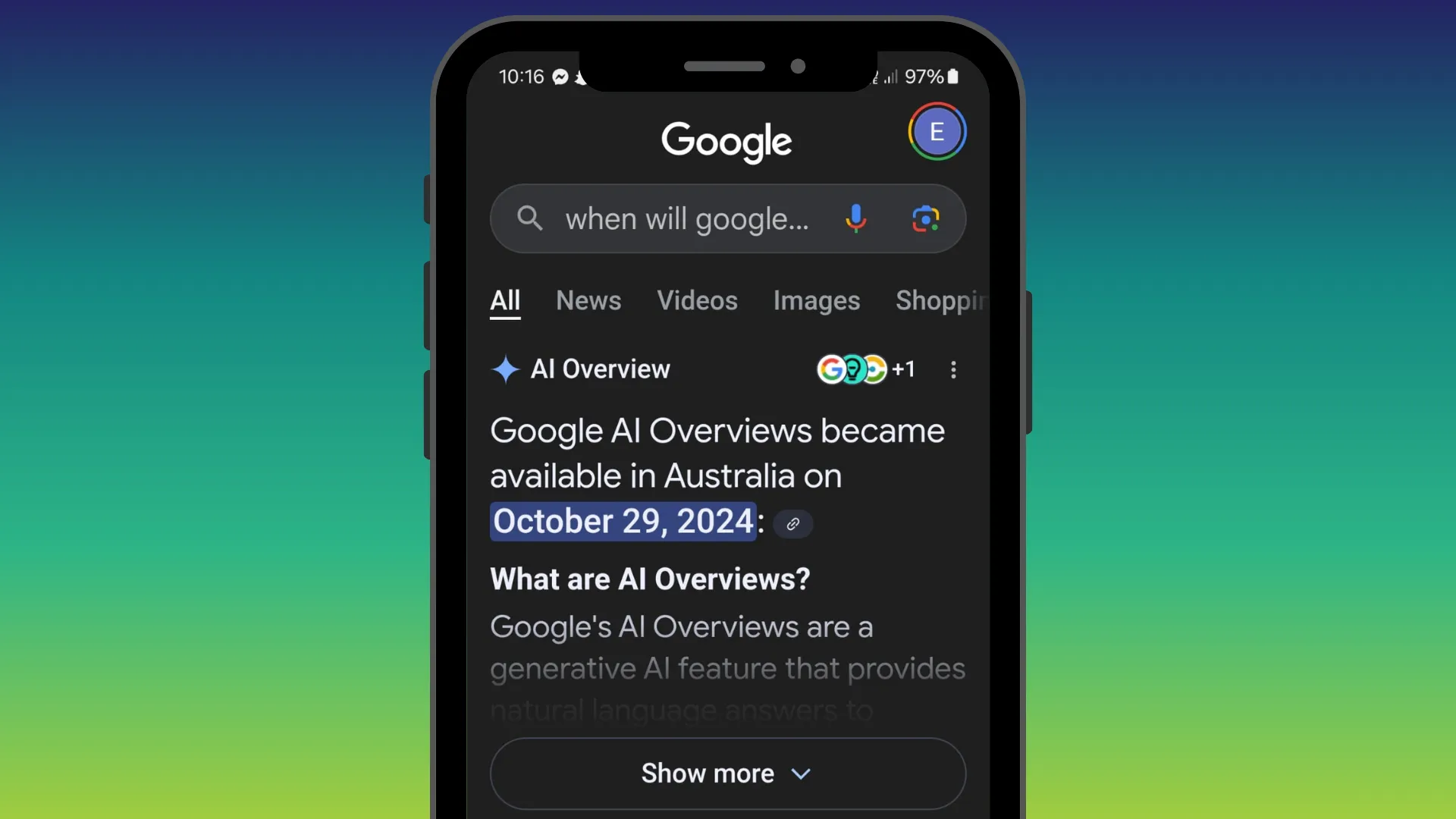
Google’s new search feature, AI Overviews, has recently launched in Australia, transforming how we interact with search engines. With AI-generated summaries now appearing directly in search engine [...]
TikTok can be polarising. Those who use it, love it. Those who don’t often find it confusing or aren’t sure how it could fit into their social media [...]

We’ve been geeking out over our latest Audience Intelligence Reports which rolled out to our clients over the last two weeks. Separate from our monthly digital marketing [...]
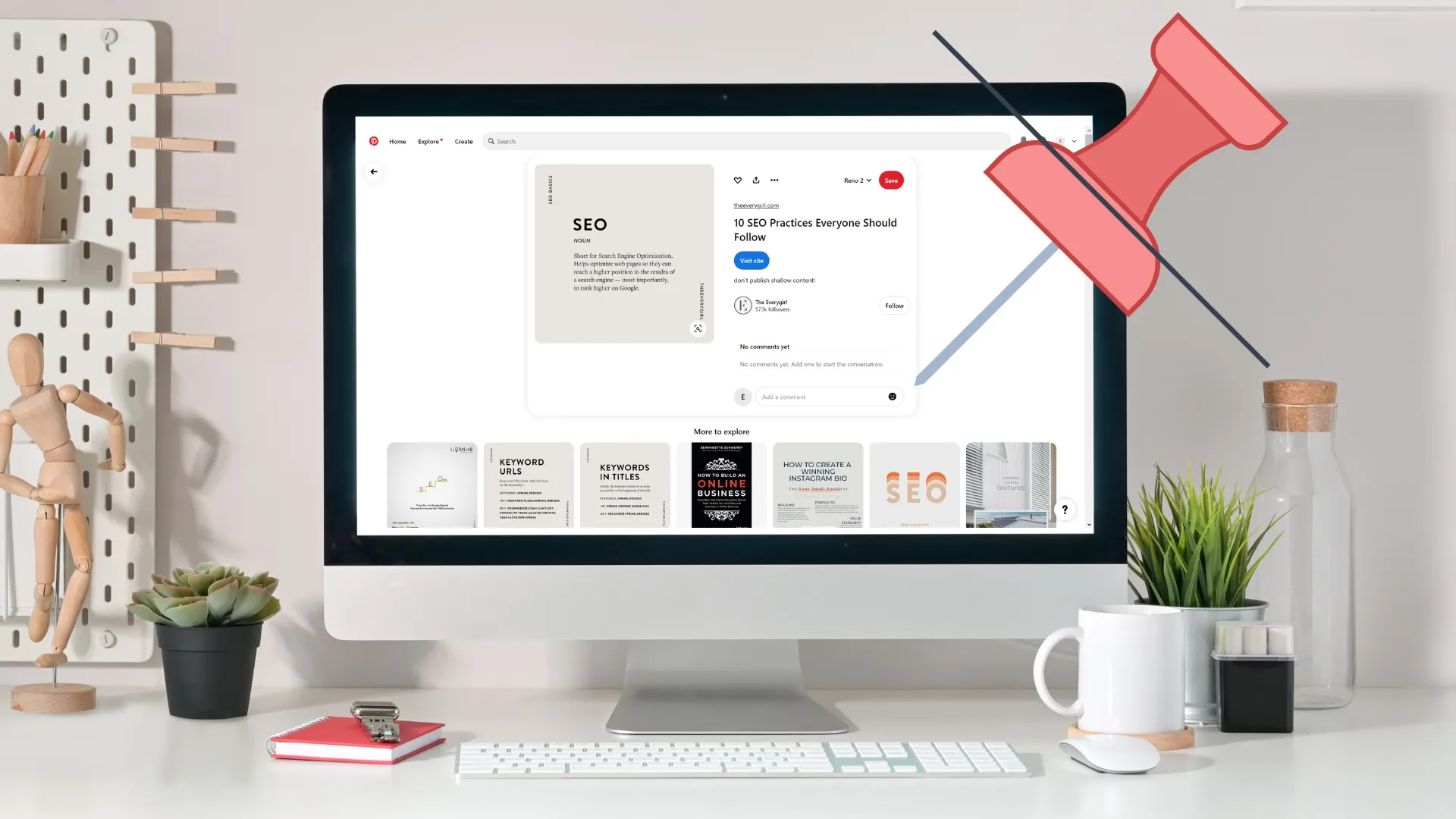
When you think about it, Pinterest is not really a social media platform but more of a search engine. While it does allow users to follow and [...]
When a social media post starts gaining traction, you’ll often receive prompts from the platform encouraging you to reach a wider audience by boosting the post. A [...]
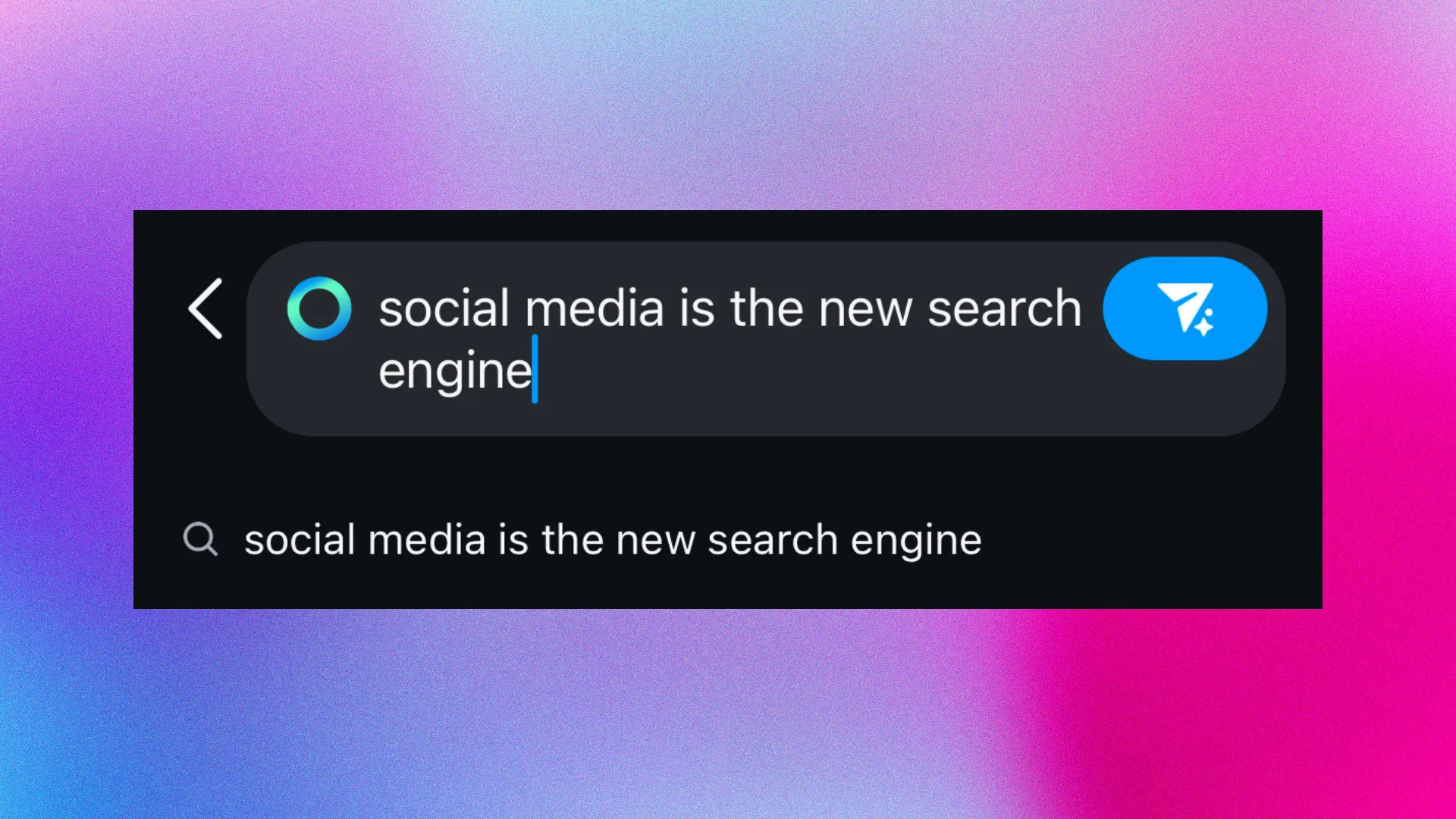
In our last article, we explored the rise of zero-click searches and its impact on how we find information online. This shift in user behaviour has also [...]
Starting December 13, 2024, Instagram is removing the ability to follow hashtags in the app. This change follows Instagram CEO Adam Mosseri’s recent video Story which explains that [...]
Consumers are becoming more emotive in their buying decisions and are craving genuine connections with brands. Enter low-fidelity (lo-fi) content. More than just a passing trend, lo-fi content [...]
Last week, Facebook announced a major update: 'Views' will now replace impressions as the primary metric for posts and Stories. This change aligns with Instagram's recent metric [...]
It’s the second week of November, and Black Friday promotions are in full swing; emails, ads, organic posts. But, how many of these promotions are you actually paying [...]
Google’s new search feature, AI Overviews, has recently launched in Australia, transforming how we interact with search engines. With AI-generated summaries now appearing directly in search engine [...]
TikTok can be polarising. Those who use it, love it. Those who don’t often find it confusing or aren’t sure how it could fit into their social media [...]
We’ve been geeking out over our latest Audience Intelligence Reports which rolled out to our clients over the last two weeks. Separate from our monthly digital marketing [...]
When you think about it, Pinterest is not really a social media platform but more of a search engine. While it does allow users to follow and [...]
When a social media post starts gaining traction, you’ll often receive prompts from the platform encouraging you to reach a wider audience by boosting the post. A [...]
In our last article, we explored the rise of zero-click searches and its impact on how we find information online. This shift in user behaviour has also [...]