If you’re still writing blog posts that build slowly to a big finish, we hate to break it to you but AI isn’t reading that far.
A recent study by growth advisor Kevin Indig, published in Search Engine Land, analysed over a million ChatGPT responses and 18,000 verified citations to work out exactly where AI pulls its answers from. The headline finding was that 44.2% of all citations came from the first 30% of a page. Only 24.7% came from the final third – with citations dropping off a cliff near the footer.
Indig calls it a “ski ramp” pattern. We call it a wake-up call for anyone still saving their best insights for the conclusion.
Why AI reads differently to humans
Traditional SEO rewarded depth. You could take your time, build an argument and land the payoff at the end. Google would still crawl the whole page and rank you accordingly.
AI tools work differently. Large language models are trained heavily on journalism and academic writing, both of which put the bottom line up front. So when ChatGPT scans your content, it weights the early framing most heavily and interprets everything else through that lens. If your key point is buried in paragraph twelve, it’s far less likely to make it into an AI answer.
📍 You’ve just passed the one-third mark of this article. Statistically, ChatGPT has already stopped paying attention. Lucky you’re a human.
How to front-load your content (without ruining it)
Front-loading doesn’t mean cramming everything into your intro and letting the rest of the article limp along. It means restructuring so the substance surfaces early. Here’s what the study found actually gets cited:
1. Answer the question in your opening
Your first few paragraphs should contain your key insight, not a warm-up. Think of it like a news article: conclusion first, supporting detail after. If someone (or something) only read your first 30%, would they walk away with the answer?
2. Use clear, definitive language
Cited passages were nearly twice as likely to use direct definitions – “X is” or “X refers to” – rather than vague framing. Simple subject-verb-object sentences beat clever, meandering prose.
3. Treat your H2s like questions
Cited content was twice as likely to include a question mark, and 78.4% of question-related citations came from headings. AI often treats an H2 as the prompt and the paragraph beneath it as the answer. Phrase your subheadings the way your customers actually ask, then answer immediately underneath.
4. Name names
Typical English text is 5–8% proper nouns. Heavily cited text averaged 20.6%. Specific brands, tools, people and places give AI something concrete to anchor an answer to. “A popular email platform” gets skipped; “Brevo” gets cited.
5. Write clearly, not academically
The best-performing content sat at a reading level several grades simpler than the content that missed out. Shorter sentences and plain structure beat dense, jargon-heavy prose – which happens to be good advice for your human readers too.
One caveat before you rewrite everything
This study looked at ChatGPT specifically. A separate study by SALT.agency found Google’s AI Mode pulls citations from all over the page, with no preference for content near the top. So don’t gut your long-form content – depth still matters for Google, for rankings and for the humans who actually read to the end.
The smart play is structure: lead with your key insights, keep your headings question-shaped and your language plain and let the depth follow. That way you’re covered whichever engine comes knocking.
Not sure where your content stands?
At Aston Digital, we help businesses across Australia structure their content for both traditional search and AI visibility, because being the answer is the new page one. If you’d like us to review how your existing content stacks up, get in touch.
- All
- AI Search & Marketing
- Digital Marketing
- Digital Strategy
- Ecommerce
- Google Analytics
- Instagram Stories
- Marketing
- Meta
- Search Engine Marketing
- Search Engine Optimisation
- Social Media
- Social Media
- Social Media Advertising
- Social Media Marketing
- Social Media Strategy
- Uncategorized

It’s a total coincidence that the title of this article rhymes, but hey, let’s make it a catch cry; thrive in 2025! This year is shaping up [...]

Starting December 13, 2024, Instagram is removing the ability to follow hashtags in the app. This change follows Instagram CEO Adam Mosseri’s recent video Story which explains that [...]

Consumers are becoming more emotive in their buying decisions and are craving genuine connections with brands. Enter low-fidelity (lo-fi) content. More than just a passing trend, lo-fi content [...]

Last week, Facebook announced a major update: 'Views' will now replace impressions as the primary metric for posts and Stories. This change aligns with Instagram's recent metric [...]

It’s the second week of November, and Black Friday promotions are in full swing; emails, ads, organic posts. But, how many of these promotions are you actually paying [...]
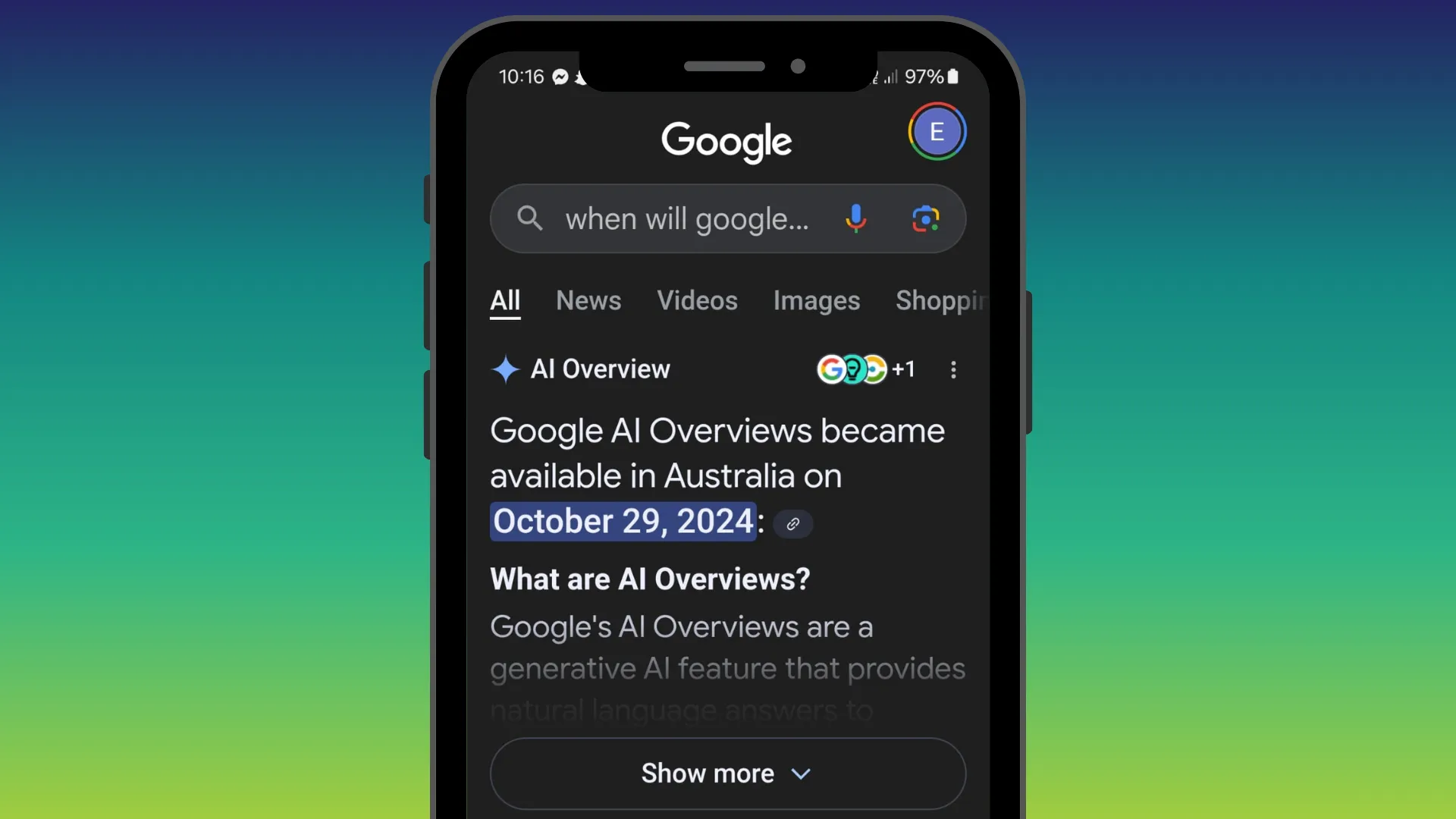
Google’s new search feature, AI Overviews, has recently launched in Australia, transforming how we interact with search engines. With AI-generated summaries now appearing directly in search engine [...]

TikTok can be polarising. Those who use it, love it. Those who don’t often find it confusing or aren’t sure how it could fit into their social media [...]

We’ve been geeking out over our latest Audience Intelligence Reports which rolled out to our clients over the last two weeks. Separate from our monthly digital marketing [...]
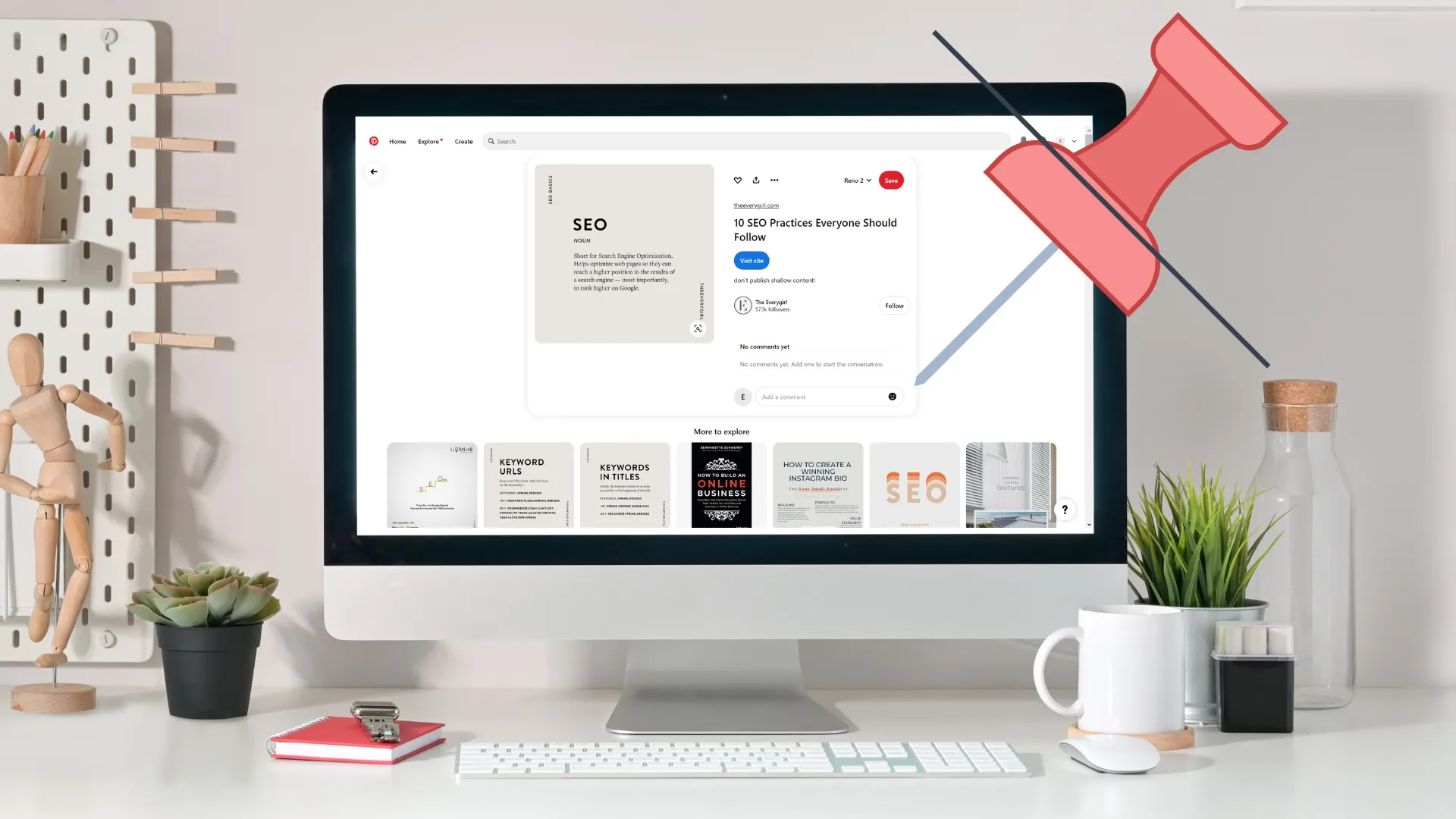
When you think about it, Pinterest is not really a social media platform but more of a search engine. While it does allow users to follow and [...]
When a social media post starts gaining traction, you’ll often receive prompts from the platform encouraging you to reach a wider audience by boosting the post. A [...]
It’s a total coincidence that the title of this article rhymes, but hey, let’s make it a catch cry; thrive in 2025! This year is shaping up [...]
Starting December 13, 2024, Instagram is removing the ability to follow hashtags in the app. This change follows Instagram CEO Adam Mosseri’s recent video Story which explains that [...]
Consumers are becoming more emotive in their buying decisions and are craving genuine connections with brands. Enter low-fidelity (lo-fi) content. More than just a passing trend, lo-fi content [...]
Last week, Facebook announced a major update: 'Views' will now replace impressions as the primary metric for posts and Stories. This change aligns with Instagram's recent metric [...]
It’s the second week of November, and Black Friday promotions are in full swing; emails, ads, organic posts. But, how many of these promotions are you actually paying [...]
Google’s new search feature, AI Overviews, has recently launched in Australia, transforming how we interact with search engines. With AI-generated summaries now appearing directly in search engine [...]
TikTok can be polarising. Those who use it, love it. Those who don’t often find it confusing or aren’t sure how it could fit into their social media [...]
We’ve been geeking out over our latest Audience Intelligence Reports which rolled out to our clients over the last two weeks. Separate from our monthly digital marketing [...]
When you think about it, Pinterest is not really a social media platform but more of a search engine. While it does allow users to follow and [...]
When a social media post starts gaining traction, you’ll often receive prompts from the platform encouraging you to reach a wider audience by boosting the post. A [...]