In our last article, we explored the rise of zero-click searches and its impact on how we find information online. This shift in user behaviour has also transformed the role of social media platforms. No longer just communication tools, social media has evolved into a powerful search engine, reshaping how we interact with content and discover new information.
What has caused this rise in ‘social search’?
This shift in behaviour is largely driven by Gen Z. There is a 25% decline in using Google for search between Gen Z and Gen X. Why? Because search engines create work to find the information you need, whereas social media enables you to get the answers you want faster in an engaging and appealing format.
Let’s take a look at a real life example. We did a Google search for ‘thai green curry recipes’ which gave us a big long list of recipe options to sift through to find the one that looks the easiest to make and tastes the most delicious.
We then followed that with a search on Instagram which presented us with pretty pictures and video tutorials that auto-play before you even click on them. It instantly started showing you methods of cooking the dish, without needing to click or tap on the content.
-
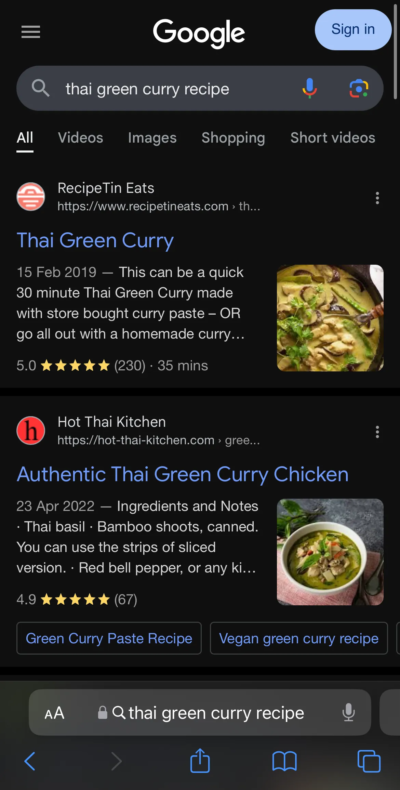
- Google search results for a Thai Green Curry recipe
-
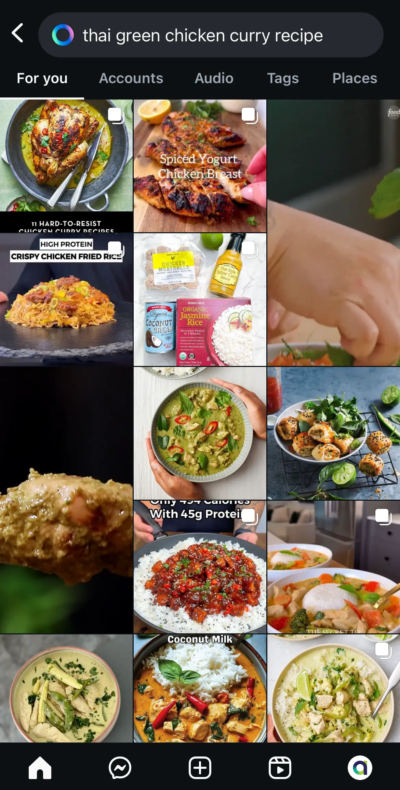
- Instagram search results for a Thai Green Curry recipe
The search process on Instagram was a lot more fun and engaging compared to the Google search.
Does this mean people aren’t Googling anymore?
Google still accounts for 81.95% of the market share (in 2024), but with the rise of social search it really does make sense for Google to be experimenting with AI. They’re looking for ways to make it faster and easier to find information the same way they are doing it on social media. A Forbes study showed that 29% of people search on social media for convenience more than anything else. They’re already on the platforms and the information is easy to access. Google will have to adapt to stay relevant.
What is Gen Z searching for on social media versus Google?
In the same Forbes study, the most searched topics by Gen Z on social media were:
- Gift ideas
- Hair and makeup
- Wellbeing and fitness
- Recipes and meal ideas
- Fashion brands
While on Google, Gen Z are searching for local services and amenities:
- Local services (mechanics, cleaners, etc.)
- Restaurants and bars near them
- Electronics
- Financial services
- Cars
If you compare Gen Z’s social searches versus Google searches, the ones on social are very visual and inspirational, while the ones on Google are a lot more transactional.
How does this shift in search behaviour affect you?
The rise of social search only intensifies the need for organic social content on your social media channels. The majority of Gen Zs learn about new brands, products, services, and experiences on the likes of YouTube, TikTok, Instagram and Pinterest over Google and traditional marketing channels.
Adapting to shifts in user behaviour is crucial for staying relevant in this ever-evolving digital landscape. Businesses need to align their marketing strategies with these changes to maintain and grow their reach as the ways we access and engage with information continue to evolve rapidly.
- All
- AI Search & Marketing
- Digital Marketing
- Digital Strategy
- Ecommerce
- Google Analytics
- Instagram Stories
- Marketing
- Meta
- Search Engine Marketing
- Search Engine Optimisation
- Social Media
- Social Media
- Social Media Advertising
- Social Media Marketing
- Social Media Strategy
- Uncategorized

For a long time, marketing worked in bursts. Campaign launches.Sales periods.Quarterly pushes. Then… silence. That model made sense when attention was predictable. But that's no longer the [...]

For years, social media worked like… well, social media. You followed accounts.You saw their content.You engaged with people you knew or chose to follow. But that’s not [...]
At the end of 2025, we wrote about the rise of the Slow Social Era - the idea that audiences are becoming more intentional with how they consume [...]
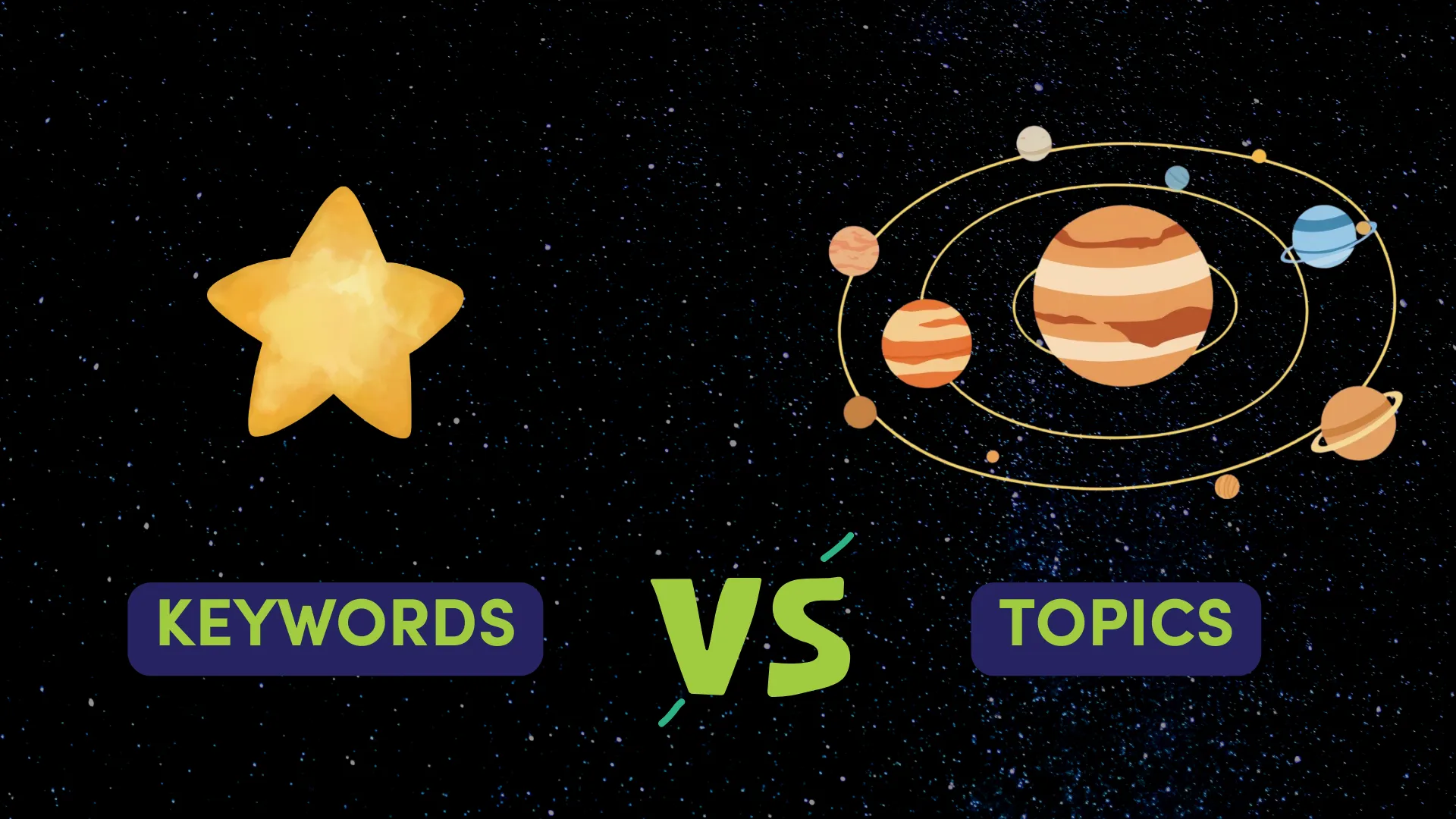
Are keywords dead? No, they’re not. But the way we use them has changed. Instead of focusing on one keyword at a time, we now need to [...]

Search is changing. For years, businesses focused on ranking in Google. If your website appeared on page one for the right keywords, customers could find you. Today, [...]

When marketers analyse ad performance, the instinct is often to focus on the obvious winners; the ads generating the most clicks, conversions or revenue. Those are the [...]
Well it's been 5 months since Google AI Mode officially launched in Australia and the effects on search behaviour, traffic patterns and SEO strategy are clearer and [...]
Most organisations are obsessed with reach - and so they should be. They want new audiences, new eyeballs, new followers - who doesn't? They pour budget into [...]
Recently we explored the Mere Exposure Effect - the psychological principle that says people tend to develop a preference for things simply because they’re familiar with them. [...]

For years, Meta ads were managed like a machine you had to constantly tweak. Adjust the bid strategy. Restructure the campaign. Turn off underperformers quickly. Optimise daily. [...]
For a long time, marketing worked in bursts. Campaign launches.Sales periods.Quarterly pushes. Then… silence. That model made sense when attention was predictable. But that's no longer the [...]
For years, social media worked like… well, social media. You followed accounts.You saw their content.You engaged with people you knew or chose to follow. But that’s not [...]
At the end of 2025, we wrote about the rise of the Slow Social Era - the idea that audiences are becoming more intentional with how they consume [...]
Are keywords dead? No, they’re not. But the way we use them has changed. Instead of focusing on one keyword at a time, we now need to [...]
Search is changing. For years, businesses focused on ranking in Google. If your website appeared on page one for the right keywords, customers could find you. Today, [...]
When marketers analyse ad performance, the instinct is often to focus on the obvious winners; the ads generating the most clicks, conversions or revenue. Those are the [...]
Well it's been 5 months since Google AI Mode officially launched in Australia and the effects on search behaviour, traffic patterns and SEO strategy are clearer and [...]
Most organisations are obsessed with reach - and so they should be. They want new audiences, new eyeballs, new followers - who doesn't? They pour budget into [...]
Recently we explored the Mere Exposure Effect - the psychological principle that says people tend to develop a preference for things simply because they’re familiar with them. [...]
For years, Meta ads were managed like a machine you had to constantly tweak. Adjust the bid strategy. Restructure the campaign. Turn off underperformers quickly. Optimise daily. [...]