If you’re finding your Meta ads lately are becoming more expensive and less effective, the problem probably isn’t your targeting or your budget.
The Meta Ads algorithm has evolved significantly. Today, it’s less about what you’re selling and more about how naturally your content fits into the feed.
The ads that perform best right now don’t look like ads at all.
Meta’s algorithm is optimised for user experience
Meta’s priority is simple: keep people on the platform, enjoying what they see.
The algorithm has become extremely good at understanding:
-
How users behave on the feed
-
What types of creative they stop for
-
What content they interact with
-
What content they convert from
When an ad feels disruptive – and by that we mean overly polished, highly produced or obviously promotional – users instinctively scroll past it. Our brain has become good at filtering out things that clearly look like ads. And this behaviour sends a negative signal to the algorithm.
As a result, Meta:
-
Shows the ad less frequently
-
Charges more to show it (higher CPMs)
If your ad interrupts the experience, you pay a premium for the disruption.
Why “hi-fi” ads often underperform
Many brands still assume that higher production value equals better results, but on Meta it’s not so true anymore.
Highly polished ads tend to:
-
Trigger a subconscious “this is an ad” response
-
Be skipped faster
-
Reduce engagement signals
When this happens, Meta interprets the ad as lower-quality content – not because it looks bad, but because users aren’t responding positively to it.
That’s why advertisers often notice:
-
Higher CPMs
-
Lower engagement rates
-
Declining performance over time
Organic-style creative is being rewarded
When ads look and feel like native content – content that genuinely belongs in the feed – the algorithm rewards them.
Things to consider are:
-
Using standard Instagram fonts
-
Feels like a Story, Reel or casual post
-
Looks human, not overproduced
-
Mirrors the way people already communicate on the platform
These ads don’t interrupt the experience. They blend into it. And when that happens:
-
Engagement increases
-
CPMs drop
-
Performance improves
A real world example
Scenario: A professional services firm is promoting a whitepaper.
Traditional ad approach (underperforming):
-
Studio-designed graphics
-
Corporate stock photography
-
Heavy branding
-
Headline like: “Download Our Comprehensive Operational Efficiency Whitepaper”
While this ad looks polished and professional, it clearly looks like an ad. Users will scroll right past it.
Organic-first approach (higher-performing):
-
A simple vertical video filmed on a phone
-
A consultant speaking directly to camera
-
On-screen text using native Instagram fonts:
“Most leadership teams don’t realise this is why their operations stall…” -
Caption written like a personal insight, not a promotion
-
Soft CTA at the end: “We’ve broken this down in a short guide.”
The second version looks like something you’d naturally see in your feed. It feels informative, not intrusive.
That’s the difference the algorithm responds to.
Study organic content before you build ads
One of the biggest mistakes brands are making right now is separating organic and paid entirely.
In 2026, the best-performing paid creative is almost always inspired by organic content.
Before launching ads, ask yourself:
-
What posts are already performing well organically?
-
What formats get saves, shares and comments?
-
What tone feels natural for our audience?
Those answers should shape your ad creative.
The brands seeing consistent results are the ones that understand this shift and build ads that feel like they belong in the feed.
This is only half the picture
Designing ads that feel native to the feed is step one.
But creative style alone isn’t enough.
In 2026, Meta’s algorithm doesn’t just reward organic-looking ads, it rewards advertisers who provide multiple creative variations and allow the system to determine which combinations work best for each user.
If you’re still manually switching ads on and off after a few days or obsessing over campaign structure, you could be limiting performance.
We break down exactly how Meta’s optimisation system works — and why creative diversity now matters more than bid strategy — in our guide to understanding Meta’s ads algorithm in 2026.
- All
- AI Search & Marketing
- Digital Marketing
- Digital Strategy
- Ecommerce
- Google Analytics
- Instagram Stories
- Marketing
- Meta
- Search Engine Marketing
- Search Engine Optimisation
- Social Media
- Social Media
- Social Media Advertising
- Social Media Marketing
- Social Media Strategy
- Uncategorized
For a long time, marketing worked in bursts. Campaign launches.Sales periods.Quarterly pushes. Then… silence. That model made sense when attention was predictable. But that's no longer the [...]

For years, social media worked like… well, social media. You followed accounts.You saw their content.You engaged with people you knew or chose to follow. But that’s not [...]
At the end of 2025, we wrote about the rise of the Slow Social Era - the idea that audiences are becoming more intentional with how they consume [...]
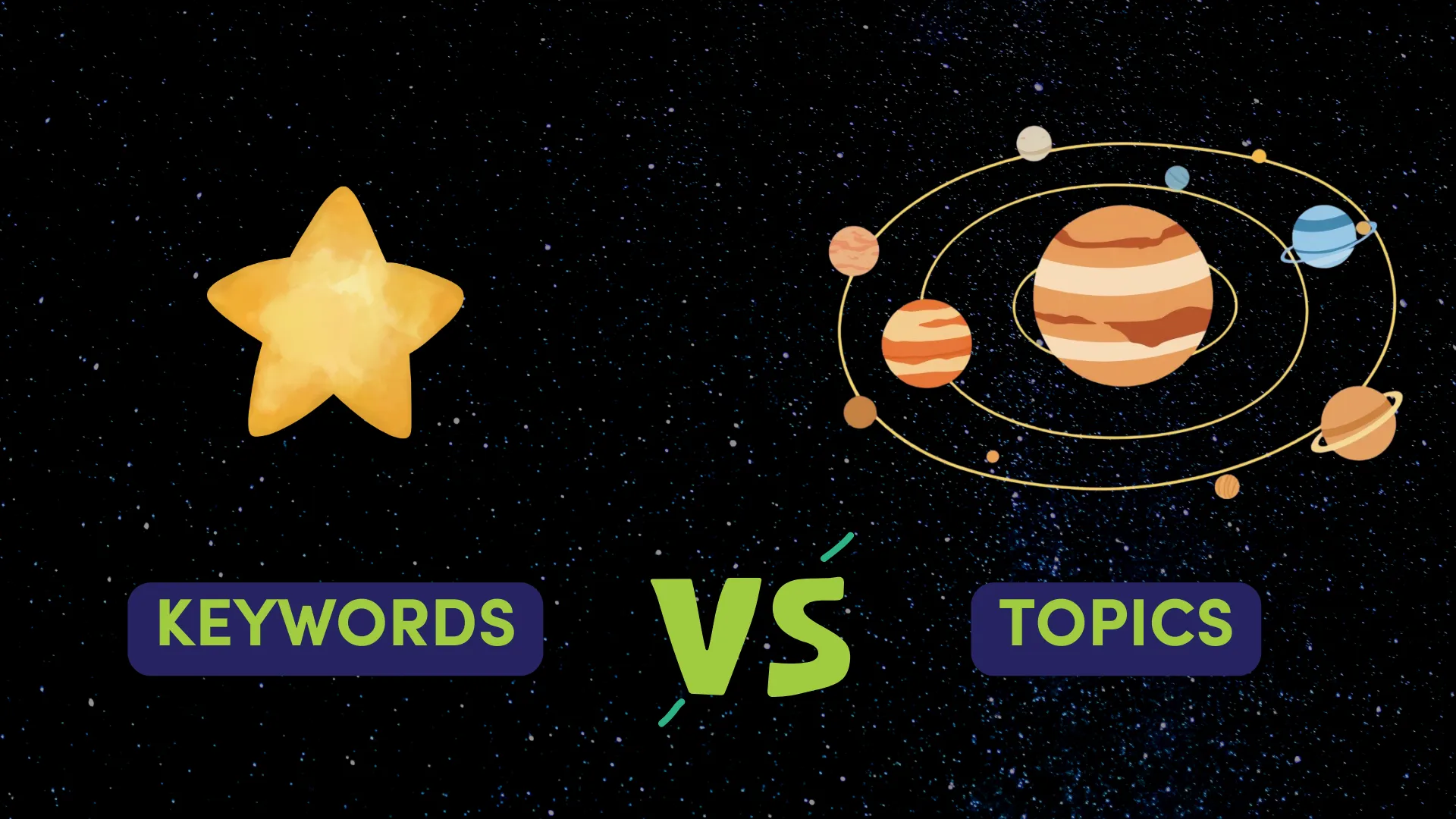
Are keywords dead? No, they’re not. But the way we use them has changed. Instead of focusing on one keyword at a time, we now need to [...]

Search is changing. For years, businesses focused on ranking in Google. If your website appeared on page one for the right keywords, customers could find you. Today, [...]
When marketers analyse ad performance, the instinct is often to focus on the obvious winners; the ads generating the most clicks, conversions or revenue. Those are the [...]
Well it's been 5 months since Google AI Mode officially launched in Australia and the effects on search behaviour, traffic patterns and SEO strategy are clearer and [...]
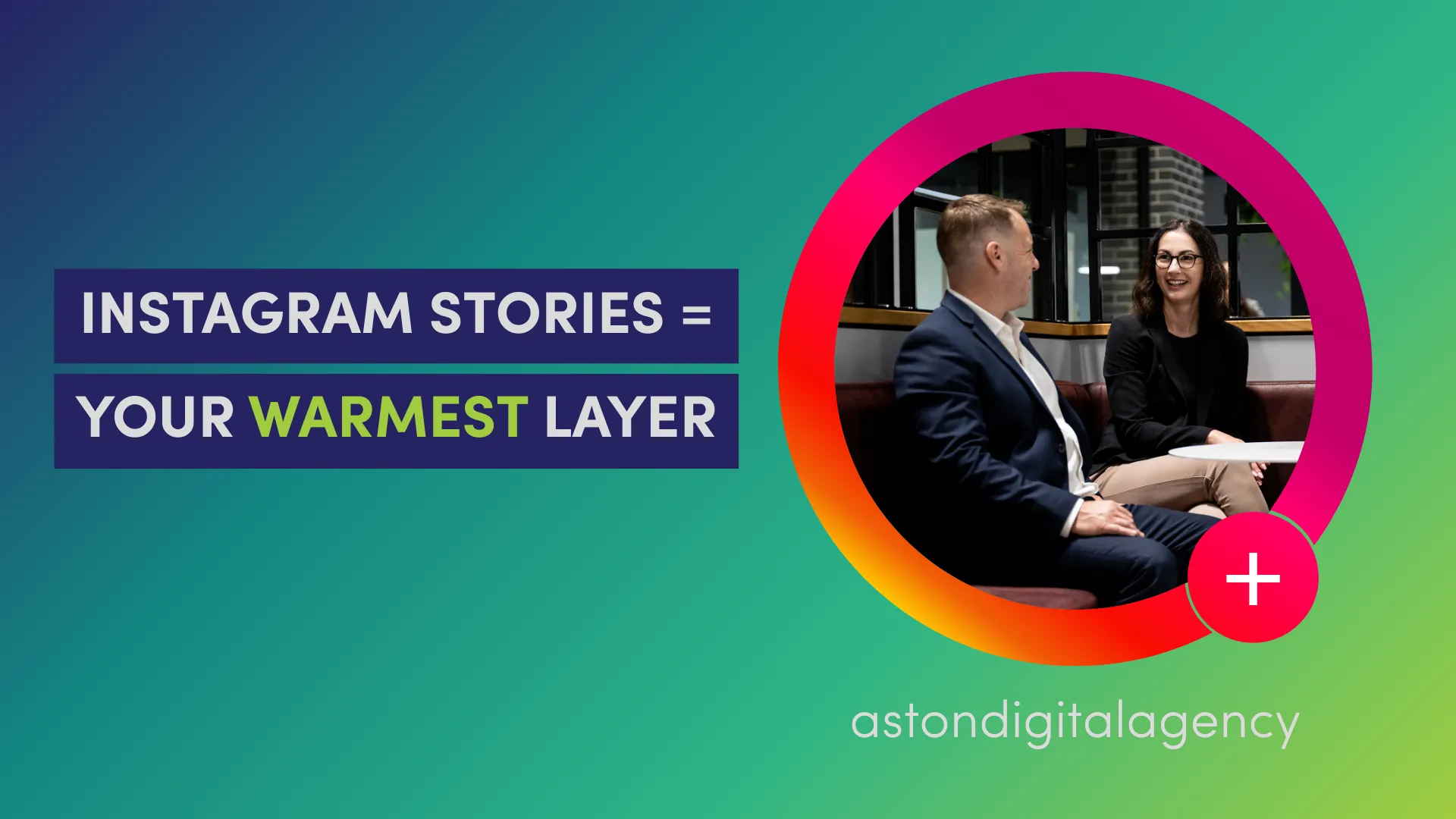
Most organisations are obsessed with reach - and so they should be. They want new audiences, new eyeballs, new followers - who doesn't? They pour budget into [...]
Recently we explored the Mere Exposure Effect - the psychological principle that says people tend to develop a preference for things simply because they’re familiar with them. [...]
For years, Meta ads were managed like a machine you had to constantly tweak. Adjust the bid strategy. Restructure the campaign. Turn off underperformers quickly. Optimise daily. [...]
For a long time, marketing worked in bursts. Campaign launches.Sales periods.Quarterly pushes. Then… silence. That model made sense when attention was predictable. But that's no longer the [...]
For years, social media worked like… well, social media. You followed accounts.You saw their content.You engaged with people you knew or chose to follow. But that’s not [...]
At the end of 2025, we wrote about the rise of the Slow Social Era - the idea that audiences are becoming more intentional with how they consume [...]
Are keywords dead? No, they’re not. But the way we use them has changed. Instead of focusing on one keyword at a time, we now need to [...]
Search is changing. For years, businesses focused on ranking in Google. If your website appeared on page one for the right keywords, customers could find you. Today, [...]
When marketers analyse ad performance, the instinct is often to focus on the obvious winners; the ads generating the most clicks, conversions or revenue. Those are the [...]
Well it's been 5 months since Google AI Mode officially launched in Australia and the effects on search behaviour, traffic patterns and SEO strategy are clearer and [...]
Most organisations are obsessed with reach - and so they should be. They want new audiences, new eyeballs, new followers - who doesn't? They pour budget into [...]
Recently we explored the Mere Exposure Effect - the psychological principle that says people tend to develop a preference for things simply because they’re familiar with them. [...]
For years, Meta ads were managed like a machine you had to constantly tweak. Adjust the bid strategy. Restructure the campaign. Turn off underperformers quickly. Optimise daily. [...]