Search is changing.
For years, businesses focused on ranking in Google. If your website appeared on page one for the right keywords, customers could find you.
Today, millions of people no longer search that way. Instead of scrolling through search results, they ask questions directly to AI tools such as ChatGPT, Google AI Overviews, Gemini and Perplexity.
When someone asks:
- “What is the best digital marketing agency for small business?”
- “How do I improve SEO for my website?”
- “What marketing strategies actually work for Australian businesses?”
AI systems generate an answer instantly.
The important question is this:
Does your business appear in those answers, or are you invisible?
For most companies, the answer is simple. They do not appear at all.
What Is AI Search?
AI search is the next evolution of online discovery.
Instead of showing a list of websites, AI tools analyse large amounts of information and produce a direct response to a question.
Examples include:
- ChatGPT answering marketing questions
- Google AI Overviews summarising information at the top of search results
- Perplexity generating researched responses with citations
- Gemini providing conversational answers
When someone asks a question, the AI pulls information from trusted sources and presents a structured explanation.
In other words, the search engine is no longer simply directing traffic.
It is becoming the answer itself.
For businesses, that creates a new challenge. If your brand is not part of the sources AI systems rely on, you effectively disappear from a growing portion of online discovery.
Why Some Businesses Appear in AI Answers
AI systems do not choose sources randomly. They rely on signals that indicate credibility, relevance and authority.
Businesses that appear in AI generated responses usually have several things in common.
Authority signals
AI models prioritise sources that demonstrate expertise within a topic. Websites that consistently publish useful, structured information are far more likely to be referenced.
Structured content
Content written clearly, with logical headings and direct explanations, is easier for AI systems to understand and reuse when generating answers.
Citations and mentions
Brands that are mentioned across trusted websites, industry publications and media sources gain credibility signals that strengthen their visibility.
Trusted domains
Established websites with consistent publishing history, strong backlinks and clear topical focus are significantly more likely to appear in AI responses.
Clear topic ownership
Businesses that regularly publish content around a specific subject develop what search engines call topical authority.
When AI tools need information on that topic, those sites become obvious reference points.
Why Your Business Is Missing
Most businesses assume that traditional SEO automatically translates into AI visibility.
In reality, many websites fail to appear in AI answers for several reasons.
Content targets keywords rather than questions
Older SEO strategies focused heavily on short keywords such as “SEO agency Melbourne” or “digital marketing services”.
AI search works differently. People now ask full questions such as:
“Why is my website not ranking on Google?”
“How much should small businesses spend on marketing?”
If your content does not answer real questions, it is far less likely to be used by AI systems.
Lack of authority signals
If a business has little industry recognition, few citations and minimal backlinks, AI tools have little reason to prioritise it as a reliable source.
Weak explanation content
Many company websites focus almost entirely on services and sales pages. These pages are useful for conversions but provide very little informational value.
AI systems look for content that clearly explains topics.
Media and large publishers dominate topics
In many industries, large media websites, research organisations and major publications dominate informational content.
When those sources already provide detailed explanations, smaller business websites rarely appear unless they contribute unique or highly structured information.
What Is Answer Engine Optimisation (AEO)?
Answer Engine Optimisation, often referred to as AEO, is the process of creating content designed to become the direct answer to a question.
Instead of optimising pages solely to rank for keywords, AEO focuses on creating clear, authoritative explanations that AI systems can easily reference.
Key characteristics of AEO content include:
- Directly answering specific questions
- Clear headings and logical structure
- Concise explanations
- Evidence and credible information
- Strong topical relevance
The goal is simple.
When someone asks an AI system a question about your industry, your content becomes part of the answer.
How To Make AI Engines Cite Your Brand
Businesses that want to appear in AI generated answers must begin thinking differently about their content strategy.
Several approaches consistently improve visibility.
Question driven content
Write articles that directly answer real questions your customers ask.
Instead of focusing purely on services, publish detailed explanations that solve specific problems.
Authority pages
Create strong foundational content around important industry topics. These pages should provide comprehensive, well structured explanations.
Structured explanations
Use clear headings and organised sections. AI systems can understand and extract information more easily from structured content.
Original insights
Publishing original research, case studies or industry commentary provides information that cannot easily be replicated elsewhere.
Industry mentions
Appearances in industry publications, media outlets and credible websites increase brand authority signals.
Consistent topical focus
Websites that regularly publish around a defined subject area develop stronger recognition from search engines and AI systems.
Over time, this builds a reputation as a reliable source of information.
Example: How A Business Gets Into AI Results
Consider a business that specialises in digital marketing for small businesses.
If their website only contains service pages such as:
- SEO service
- Google Ads management
- Social media marketing
AI systems have very little informational content to reference.
Now imagine the same business publishes articles such as:
- Why small business SEO often fails
- How long SEO actually takes to work
- How to choose a digital marketing agency
- What marketing strategies work for small Australian businesses
Each article clearly answers a real question.
Over time, the website becomes a recognised source of information on those topics. When AI tools need information about small business marketing, that content becomes a logical reference point.
The Future of Search
Search is no longer defined by a single strategy.
Businesses must now consider three connected layers.
SEO
Traditional search engine optimisation still matters. Ranking well in search engines remains an important traffic driver.
AEO
Answer Engine Optimisation focuses on creating content that AI tools can use when generating answers.
GEO
Generative Engine Optimisation refers to the broader process of shaping how AI models interpret and present information about brands.
Together, these approaches define the future of online visibility.
Businesses that adapt early will benefit from the shift.
Those that rely solely on older SEO tactics may find themselves increasingly invisible.
How Aston Digital Helps Businesses Become Visible in AI Search
At Aston Digital, we focus on helping businesses adapt to the changing search landscape.
Our approach combines traditional SEO with modern AEO strategies designed to improve visibility across both search engines and AI platforms.
This includes:
- Developing authority driven content strategies
- Creating question focused informational content
- Building topical authority within key industries
- Improving brand visibility across trusted sources
As search continues to evolve, businesses that invest in credible, structured information will be best positioned to remain visible.
And increasingly, the brands that provide the clearest answers will become the ones that AI chooses to recommend.
- All
- AI Search & Marketing
- Digital Marketing
- Digital Strategy
- Ecommerce
- Google Analytics
- Instagram Stories
- Marketing
- Meta
- Search Engine Marketing
- Search Engine Optimisation
- Social Media
- Social Media
- Social Media Advertising
- Social Media Marketing
- Social Media Strategy
- Uncategorized

AI tools like ChatGPT, Google Gemini and Perplexity are quickly becoming part of how people discover websites. Instead of searching Google directly, users are asking AI tools [...]

We often hear that attention spans are decreasing, particularly among Gen Z. Social media platforms like TikTok and Instagram are often blamed, with headlines suggesting that endless [...]
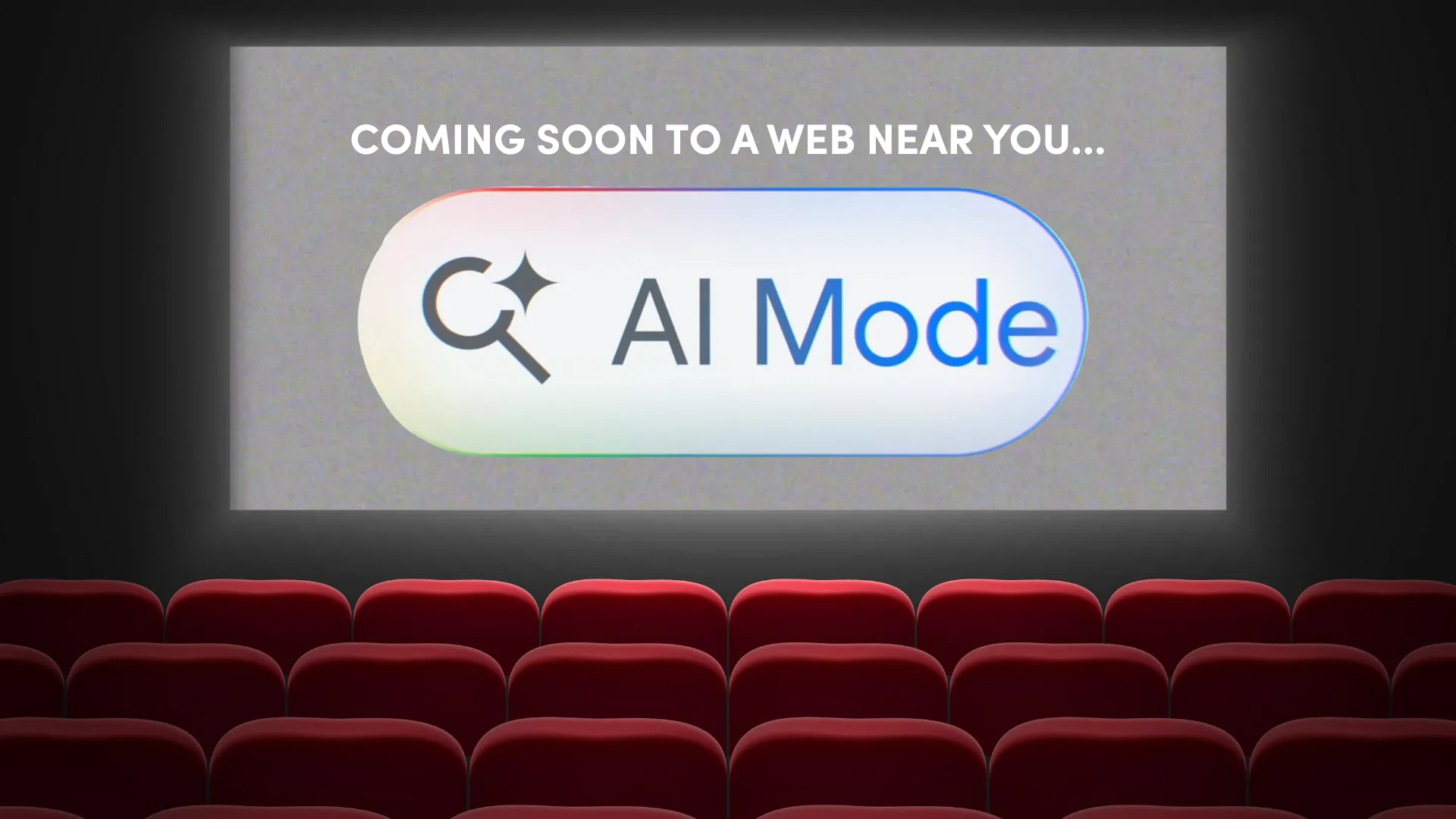
Google has started rolling out its brand-new AI Mode in countries like the United States, India, Canada and even New Zealand - but not yet in Australia. [...]
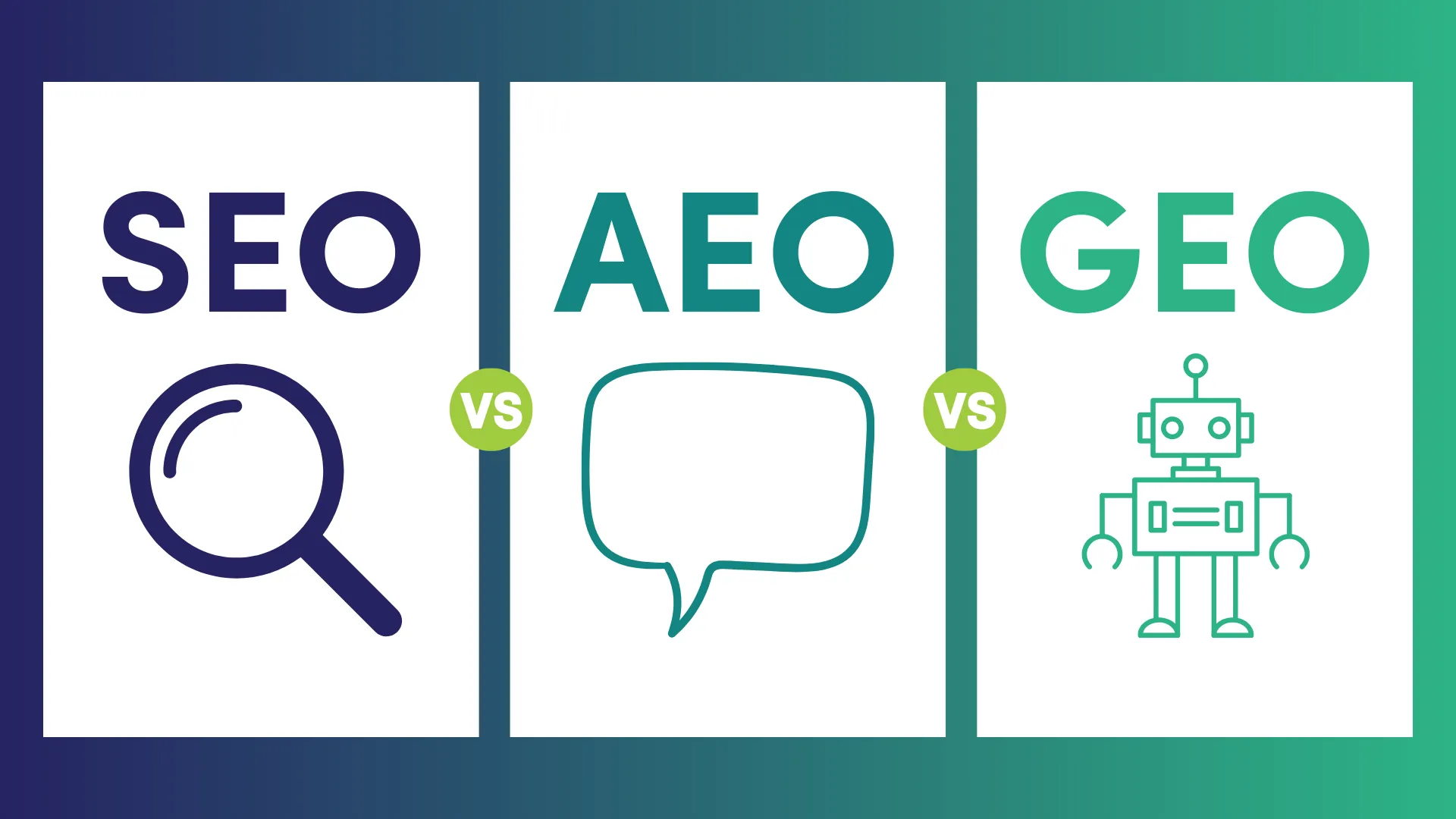
For years, Search Engine Optimisation (SEO) was the golden rule of digital marketing. Optimise keywords. Earn backlinks. Climb the rankings. But the way people find answers is [...]
When you see a paid ad, nine times out of ten, you're probably not clicking on it. Instead, you'll likely hop over to Google, search the brand [...]

In digital advertising, audience targeting has always been both an art and a science. But what if the science just got smarter - a lot smarter? We’ve [...]
With attention spans getting shorter and competition fiercer, brands are constantly searching for that magic formula to stand out. But the answer isn’t always a bold campaign [...]
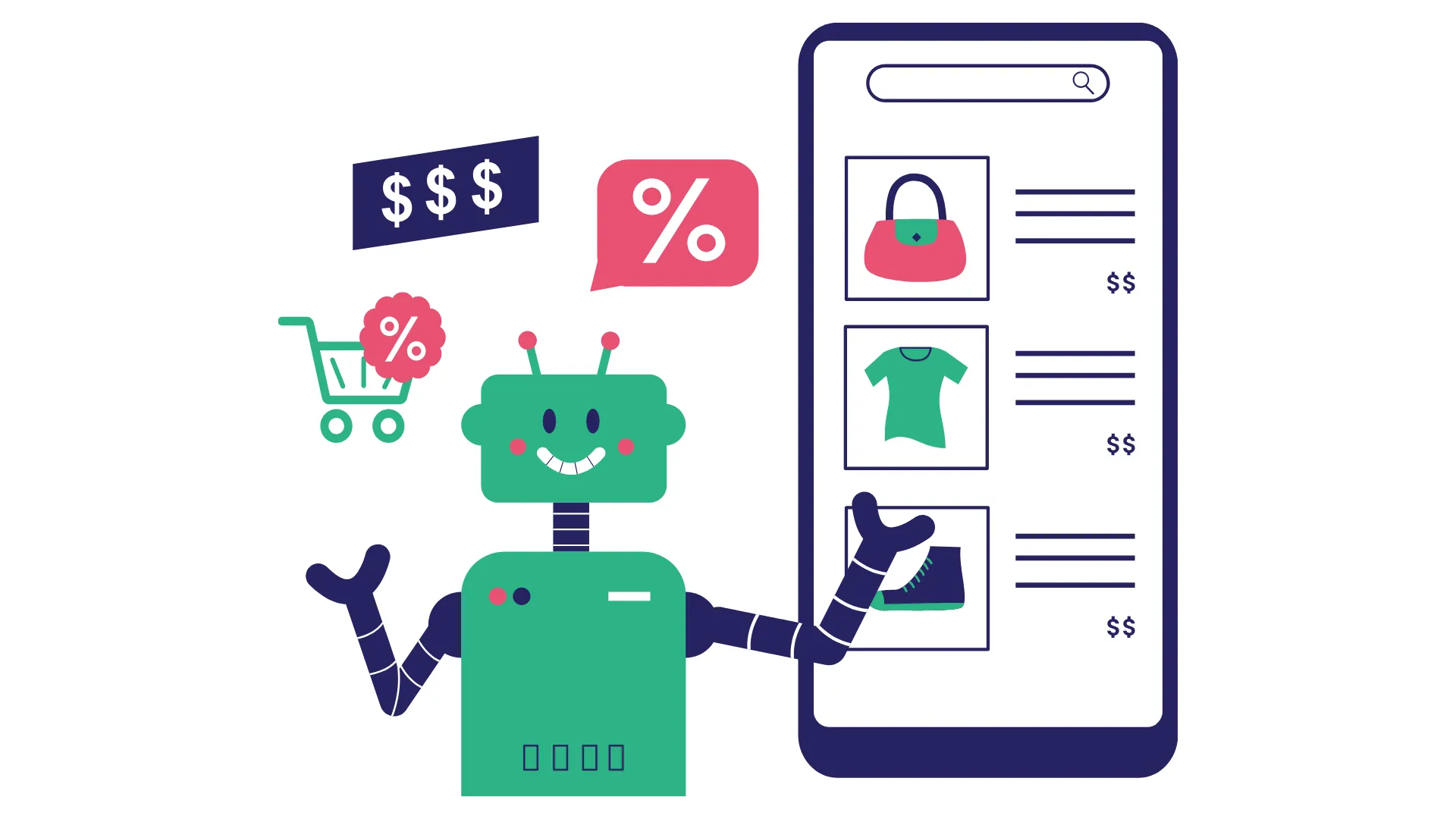
A billion searches were made on ChatGPT last week alone. Now, OpenAI is turning those queries into a powerful new retail experience. ChatGPT recently launched its AI [...]

Google’s AI Overviews are reshaping search by pulling answers from the places people are actually talking: Reddit, YouTube, Quora and other community-driven platforms. According to new data [...]
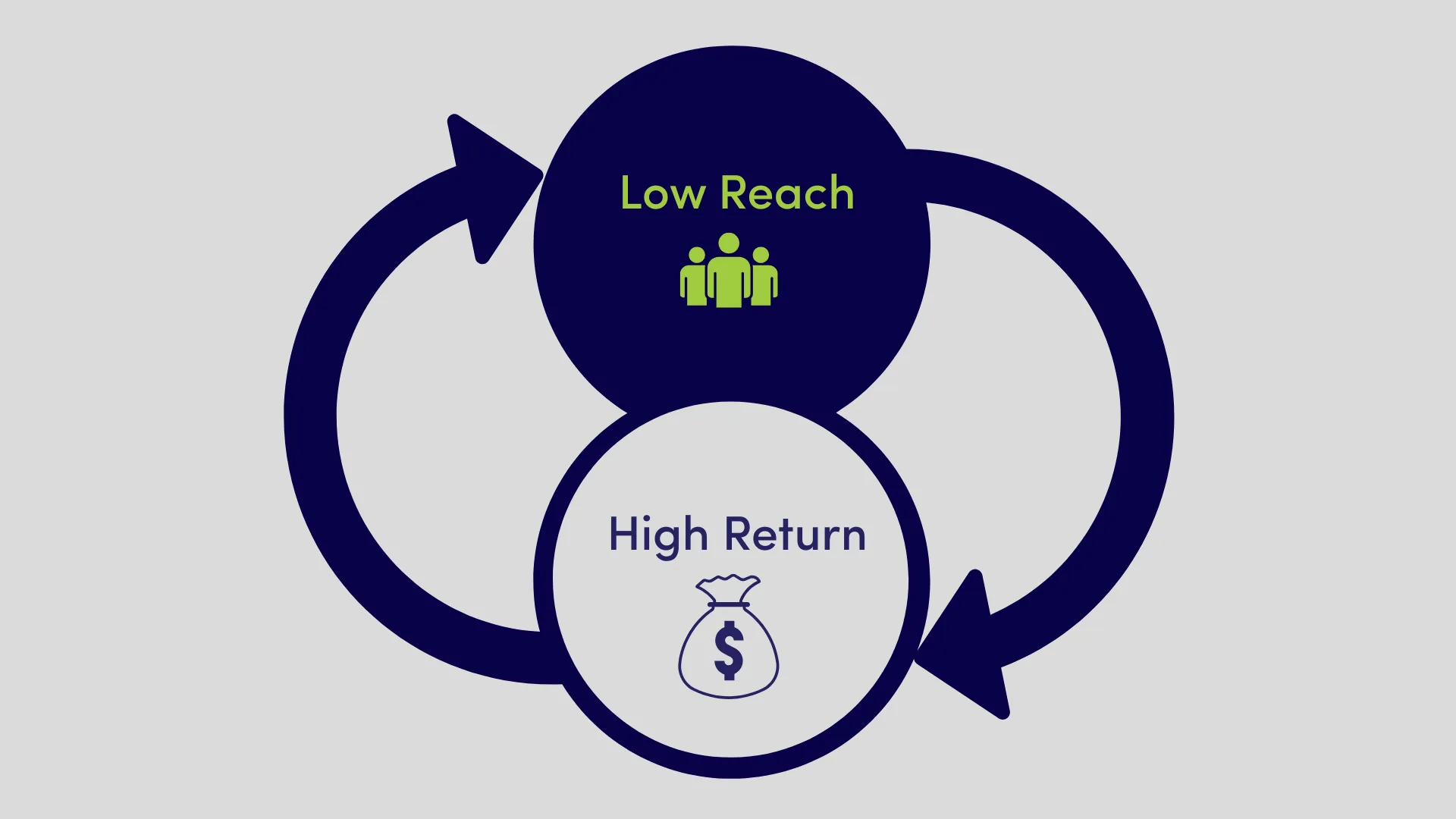
We recently posted a simple promotion on a client’s social media account. It was about a niche product - nothing flashy, not designed to go viral, just [...]
AI tools like ChatGPT, Google Gemini and Perplexity are quickly becoming part of how people discover websites. Instead of searching Google directly, users are asking AI tools [...]
We often hear that attention spans are decreasing, particularly among Gen Z. Social media platforms like TikTok and Instagram are often blamed, with headlines suggesting that endless [...]
Google has started rolling out its brand-new AI Mode in countries like the United States, India, Canada and even New Zealand - but not yet in Australia. [...]
For years, Search Engine Optimisation (SEO) was the golden rule of digital marketing. Optimise keywords. Earn backlinks. Climb the rankings. But the way people find answers is [...]
When you see a paid ad, nine times out of ten, you're probably not clicking on it. Instead, you'll likely hop over to Google, search the brand [...]
In digital advertising, audience targeting has always been both an art and a science. But what if the science just got smarter - a lot smarter? We’ve [...]
With attention spans getting shorter and competition fiercer, brands are constantly searching for that magic formula to stand out. But the answer isn’t always a bold campaign [...]
A billion searches were made on ChatGPT last week alone. Now, OpenAI is turning those queries into a powerful new retail experience. ChatGPT recently launched its AI [...]
Google’s AI Overviews are reshaping search by pulling answers from the places people are actually talking: Reddit, YouTube, Quora and other community-driven platforms. According to new data [...]
We recently posted a simple promotion on a client’s social media account. It was about a niche product - nothing flashy, not designed to go viral, just [...]