If you’re running an EOFY sale right now and the results feel quieter than expected, you’re not alone. The market is subdued — we’re seeing it across our client base — and sales volumes are slower than previous years for many businesses.
But here’s what’s interesting. When we look beyond the top-line numbers, something worth paying attention to is happening.
The market is quiet. That’s not just you.
Before we get into the insight, let’s address the elephant in the room. If your EOFY campaign feels like it’s not gaining the traction you expected, it’s not a reflection of your offer or your marketing. Consumer confidence is soft right now. Discretionary spending is considered more carefully. Decision-making is taking longer.
This is the market condition, not a marketing failure.
The businesses that understand this are adjusting their expectations accordingly — and looking more carefully at what their sales data is actually telling them.
Beneath the quiet surface, there’s a signal worth reading.
The buyers who are showing up are telling you something important
Across our current EOFY campaigns, we’re seeing a consistent pattern: the customers who are purchasing aren’t just buying the discounted items. They’re buying beyond them.
In one case, customers are adding high-value, full-priced items to their carts alongside the sale product. In another, the sale is driving traffic that converts on products not even included in the promotion.
This tells us something significant about who is buying right now.
These aren’t bargain hunters looking for the cheapest possible deal. These are ready-to-buy customers — people who were already in the market, already considering a purchase, and who needed a nudge to act. The sale gave them permission to buy. But once they were there, they bought on value, not just on price.
What this means for how you think about your EOFY campaign
If you’re measuring your EOFY campaign purely on the performance of your discounted products, you may be undervaluing what it’s actually doing for your business.
Look at the full picture:
Total revenue, not just sale item revenue
Are customers spending more than the discounted product? Are they adding to their cart?
New customer acquisition
Are these first-time buyers? A new customer acquired during a sale period has lifetime value well beyond that first transaction.
Traffic quality
Who is coming to your website? Are they browsing beyond the sale page?
The EOFY sale is the door opener. What happens once customers are inside is where the real opportunity sits.
The practical takeaway
If your EOFY campaign feels slow, resist the urge to panic or pull back. The customers who are showing up right now are high-intent buyers. They’re not just responding to a discount — they’re ready to spend with businesses they trust.
Make sure your website, your product pages and your customer experience are ready to capture that intent beyond the sale itself. Because the data suggests that the real return on your EOFY campaign might be sitting just outside the promotion.
- All
- AI Search & Marketing
- Digital Marketing
- Digital Strategy
- Ecommerce
- Google Analytics
- Instagram Stories
- Marketing
- Meta
- Search Engine Marketing
- Search Engine Optimisation
- Social Media
- Social Media
- Social Media Advertising
- Social Media Marketing
- Social Media Strategy
- Uncategorized

It’s been a quieter period than usual. Enquiries have slowed.Sales cycles are stretching.Decision-making is taking longer. Like many businesses right now, one of our clients has been [...]

For a long time, marketing worked in bursts. Campaign launches.Sales periods.Quarterly pushes. Then… silence. That model made sense when attention was predictable. But that's no longer the [...]

For years, social media worked like… well, social media. You followed accounts.You saw their content.You engaged with people you knew or chose to follow. But that’s not [...]
At the end of 2025, we wrote about the rise of the Slow Social Era - the idea that audiences are becoming more intentional with how they consume [...]
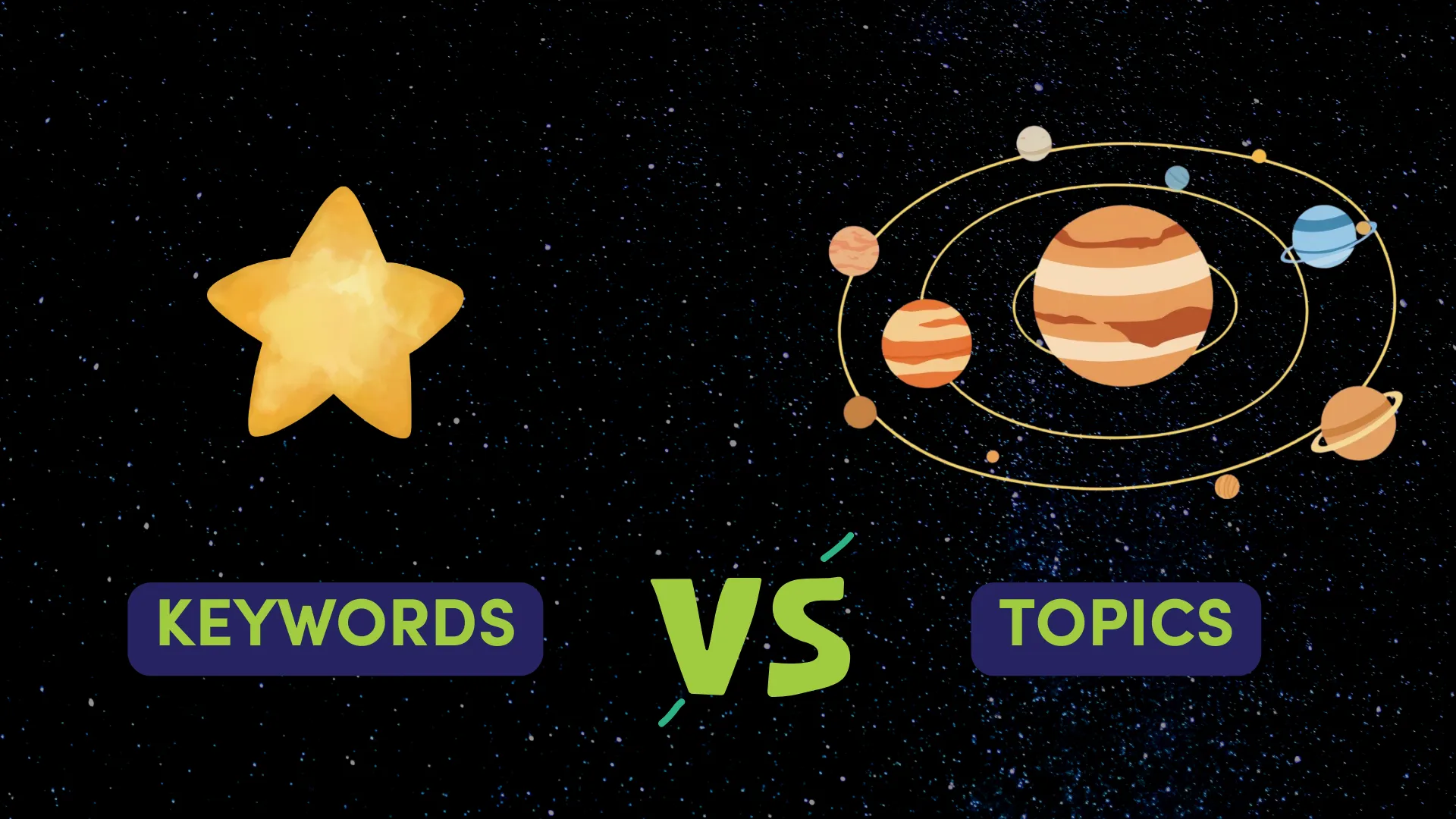
Are keywords dead? No, they’re not. But the way we use them has changed. Instead of focusing on one keyword at a time, we now need to [...]

Search is changing. For years, businesses focused on ranking in Google. If your website appeared on page one for the right keywords, customers could find you. Today, [...]

When marketers analyse ad performance, the instinct is often to focus on the obvious winners; the ads generating the most clicks, conversions or revenue. Those are the [...]
Well it's been 5 months since Google AI Mode officially launched in Australia and the effects on search behaviour, traffic patterns and SEO strategy are clearer and [...]
Most organisations are obsessed with reach - and so they should be. They want new audiences, new eyeballs, new followers - who doesn't? They pour budget into [...]
Recently we explored the Mere Exposure Effect - the psychological principle that says people tend to develop a preference for things simply because they’re familiar with them. [...]
It’s been a quieter period than usual. Enquiries have slowed.Sales cycles are stretching.Decision-making is taking longer. Like many businesses right now, one of our clients has been [...]
For a long time, marketing worked in bursts. Campaign launches.Sales periods.Quarterly pushes. Then… silence. That model made sense when attention was predictable. But that's no longer the [...]
For years, social media worked like… well, social media. You followed accounts.You saw their content.You engaged with people you knew or chose to follow. But that’s not [...]
At the end of 2025, we wrote about the rise of the Slow Social Era - the idea that audiences are becoming more intentional with how they consume [...]
Are keywords dead? No, they’re not. But the way we use them has changed. Instead of focusing on one keyword at a time, we now need to [...]
Search is changing. For years, businesses focused on ranking in Google. If your website appeared on page one for the right keywords, customers could find you. Today, [...]
When marketers analyse ad performance, the instinct is often to focus on the obvious winners; the ads generating the most clicks, conversions or revenue. Those are the [...]
Well it's been 5 months since Google AI Mode officially launched in Australia and the effects on search behaviour, traffic patterns and SEO strategy are clearer and [...]
Most organisations are obsessed with reach - and so they should be. They want new audiences, new eyeballs, new followers - who doesn't? They pour budget into [...]
Recently we explored the Mere Exposure Effect - the psychological principle that says people tend to develop a preference for things simply because they’re familiar with them. [...]