There was a stat shared at the Digital Marketers Australia Conference recently that’s hard to ignore: 1 in 3 visits to your website now start directly on a product detail page.
Not your homepage. Not your About page. Not a carefully crafted landing page you spent weeks building. A product page.
Let that sink in for a moment.
For eCommerce businesses, this changes everything about how you think about your website — and your marketing.
The way people find products has fundamentally shifted
Not long ago, the typical customer journey looked something like this: see an ad, visit a homepage, browse a category, click through to a product, maybe buy.
Today, that journey is being bypassed entirely. Consumers are arriving directly on product pages through Google searches, AI-generated recommendations, social media posts and shared links. They haven’t seen your homepage. They haven’t read your brand story. They haven’t browsed your categories.
Their first impression of your business is your product page. And in many cases, it’s also where they decide whether to buy — or leave.
What this means for your product pages
If a third of your website visitors are landing directly on a product page, that page can no longer do just one job. It has to do all the jobs.
It needs to introduce your brand, build trust, answer every possible question a customer might have, and make purchasing feel like an easy, obvious next step — all without the benefit of the broader website journey doing any of that groundwork first.
In short, your product page is now a landing page. And most businesses aren’t treating it that way.
What a landing-page-quality product page actually looks like
Here’s what your product pages need to cover if they’re going to convert cold traffic:
1. A clear, descriptive product title
Not just the product name — a title that tells the customer exactly what it is, ideally with keywords your audience is actually searching for. This is the first handshake with a visitor who knows nothing about your brand.
2. Rich, detailed product descriptions
This is where most eCommerce businesses fall short. A one-paragraph description is not enough. Your product page needs to answer every question a customer might have before they’d feel comfortable buying — materials, dimensions, use cases, compatibility, care instructions, whatever is relevant to your product.
Think of it this way: a good product description replaces the conversation a customer would have with a knowledgeable salesperson in-store.
3. High-quality images and video
Multiple angles. Lifestyle shots that show the product in context. Video where possible. Customers who arrive directly on a product page haven’t browsed your brand — they need to be able to visualise the product clearly enough to trust it.
4. Social proof
Reviews, ratings and real customer photos. When someone lands on your product page cold, they have no existing relationship with your brand. Social proof does the trust-building that your homepage and About page would otherwise do.
5. Clear shipping, returns and payment information
Don’t make customers hunt for this. Uncertainty about delivery times or return policies is one of the most common reasons for abandoned purchases. Put it on the page, clearly and prominently.
6. SEO-optimised content
If people are finding your product pages through search, those pages need to be optimised to show up. That means keyword-rich titles and descriptions, proper metadata, and structured content that search engines — and increasingly, AI tools — can read and reference easily.
This last point matters more than ever. With AI-powered search becoming a primary discovery tool, your product pages need to contain enough information for AI to accurately represent your product in its responses.
We’re seeing it happen in real time
This isn’t theoretical. Over the last two months, we’ve seen a clear and growing trend with our own eCommerce clients — more and more traffic is arriving directly on product pages, bypassing the homepage entirely. The businesses that have invested in detailed, well-structured product pages are reaping the rewards. The ones with thin content and minimal detail are losing customers before they’ve even had a chance to make an impression.
The practical takeaway
Go to your top five product pages right now and ask yourself honestly:
- If this was the first page a visitor ever saw from this brand, would they trust us enough to buy?
- Does this page answer every question a customer might have about this product?
- Is there enough here for Google — and AI — to understand exactly what we’re selling?
If the answer to any of those is no, there’s work to do.
Your product pages are working harder than ever. It’s time to make sure they’re up to the job.
- All
- AI Search & Marketing
- Digital Marketing
- Digital Strategy
- Ecommerce
- Google Analytics
- Instagram Stories
- Marketing
- Meta
- Search Engine Marketing
- Search Engine Optimisation
- Social Media
- Social Media
- Social Media Advertising
- Social Media Marketing
- Social Media Strategy
- Uncategorized

It’s a total coincidence that the title of this article rhymes, but hey, let’s make it a catch cry; thrive in 2025! This year is shaping up [...]

Starting December 13, 2024, Instagram is removing the ability to follow hashtags in the app. This change follows Instagram CEO Adam Mosseri’s recent video Story which explains that [...]

Consumers are becoming more emotive in their buying decisions and are craving genuine connections with brands. Enter low-fidelity (lo-fi) content. More than just a passing trend, lo-fi content [...]

Last week, Facebook announced a major update: 'Views' will now replace impressions as the primary metric for posts and Stories. This change aligns with Instagram's recent metric [...]

It’s the second week of November, and Black Friday promotions are in full swing; emails, ads, organic posts. But, how many of these promotions are you actually paying [...]
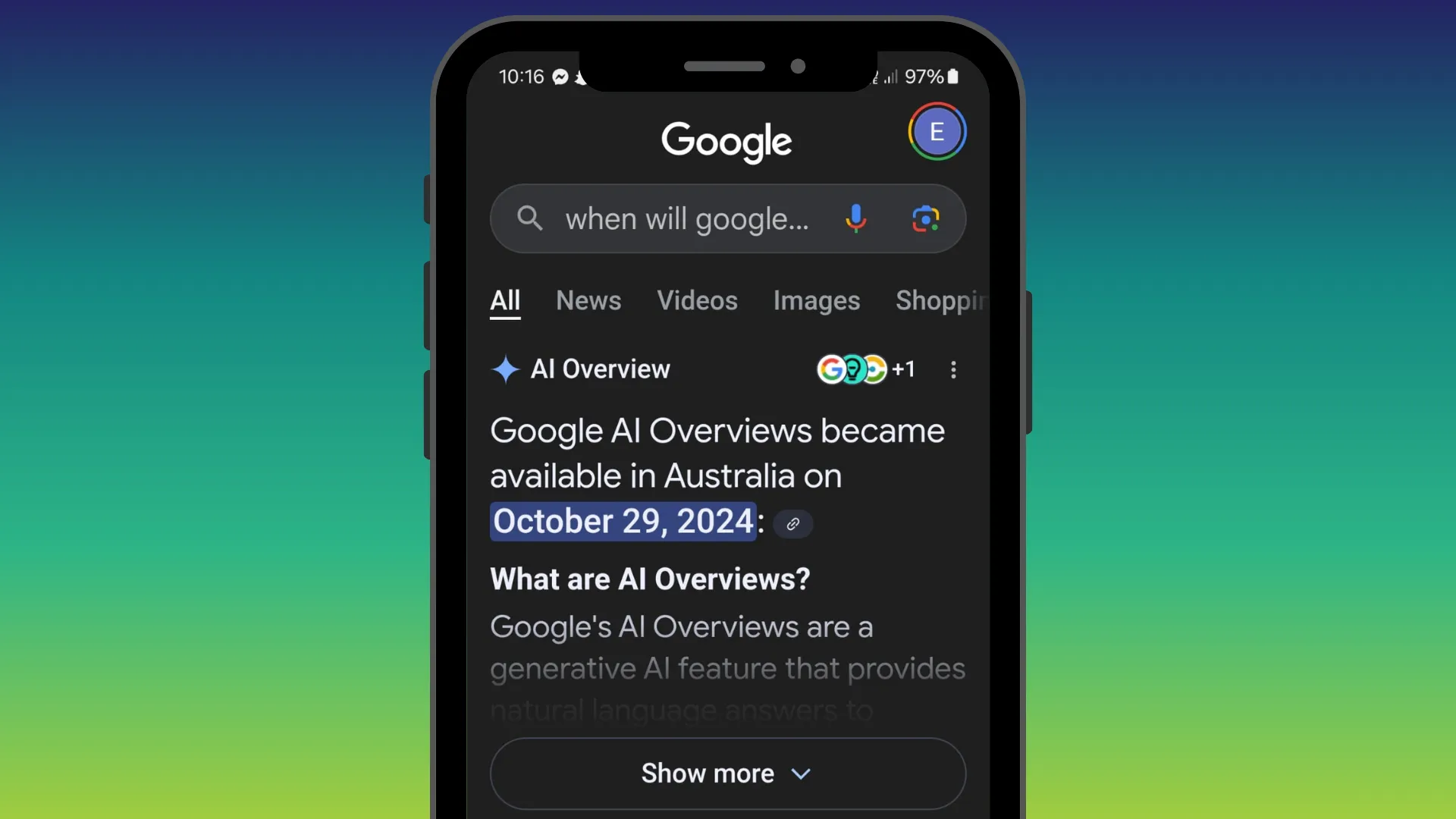
Google’s new search feature, AI Overviews, has recently launched in Australia, transforming how we interact with search engines. With AI-generated summaries now appearing directly in search engine [...]

TikTok can be polarising. Those who use it, love it. Those who don’t often find it confusing or aren’t sure how it could fit into their social media [...]

We’ve been geeking out over our latest Audience Intelligence Reports which rolled out to our clients over the last two weeks. Separate from our monthly digital marketing [...]
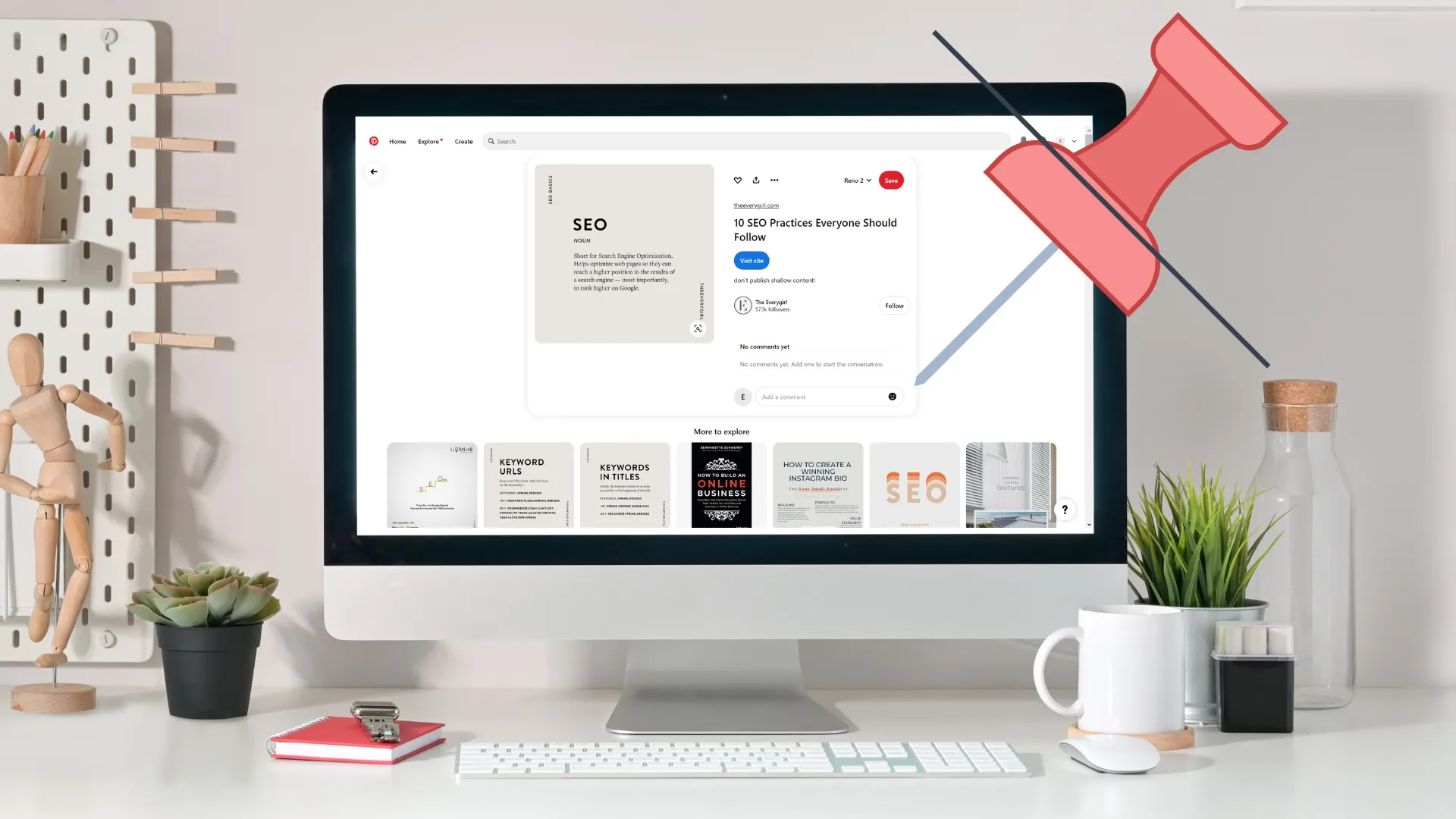
When you think about it, Pinterest is not really a social media platform but more of a search engine. While it does allow users to follow and [...]
When a social media post starts gaining traction, you’ll often receive prompts from the platform encouraging you to reach a wider audience by boosting the post. A [...]
It’s a total coincidence that the title of this article rhymes, but hey, let’s make it a catch cry; thrive in 2025! This year is shaping up [...]
Starting December 13, 2024, Instagram is removing the ability to follow hashtags in the app. This change follows Instagram CEO Adam Mosseri’s recent video Story which explains that [...]
Consumers are becoming more emotive in their buying decisions and are craving genuine connections with brands. Enter low-fidelity (lo-fi) content. More than just a passing trend, lo-fi content [...]
Last week, Facebook announced a major update: 'Views' will now replace impressions as the primary metric for posts and Stories. This change aligns with Instagram's recent metric [...]
It’s the second week of November, and Black Friday promotions are in full swing; emails, ads, organic posts. But, how many of these promotions are you actually paying [...]
Google’s new search feature, AI Overviews, has recently launched in Australia, transforming how we interact with search engines. With AI-generated summaries now appearing directly in search engine [...]
TikTok can be polarising. Those who use it, love it. Those who don’t often find it confusing or aren’t sure how it could fit into their social media [...]
We’ve been geeking out over our latest Audience Intelligence Reports which rolled out to our clients over the last two weeks. Separate from our monthly digital marketing [...]
When you think about it, Pinterest is not really a social media platform but more of a search engine. While it does allow users to follow and [...]
When a social media post starts gaining traction, you’ll often receive prompts from the platform encouraging you to reach a wider audience by boosting the post. A [...]