Your audience doesn’t want another ad. They want a reason to care.
In a world saturated with ads, polished campaigns and endless promotional content, consumers are tuning out – ourselves included. Not because they don’t want to engage with brands – quite the opposite. They want to connect with them. Deeply. Authentically. They want to know the people behind the logo, the reason the business exists and whether your values align with theirs.
The shift from selling to storytelling
Marketing has been built on a simple formula: here’s our product, here’s why it’s great, buy it.
But that formula is losing its power.
Today’s consumers are way more informed, more sceptical and more discerning than ever. They can spot a sales pitch from a mile away – and they’ll just scroll straight past it.
What they won’t scroll past is something that feels real.
Simon Sinek’s “Start With Why” concept is one we come back to time and again when building marketing strategies for our clients. It’s a simple but powerful idea: people don’t buy what you do, they buy why you do it. And when we sit down with a business and ask them why they do what they do, it almost always unlocks something – a story, a passion, a defining moment – that becomes the foundation of everything their marketing is built on.
The businesses that struggle to cut through are often the ones who’ve lost touch with that answer. They’re talking about features, pricing and services, when their audience is really asking: “Can I trust you? Do you get me? Do we share the same values?”
What does going back to your ‘why’ actually look like?
Your ‘why’ is the reason your business exists beyond making money. It’s the problem you set out to solve, the gap you saw in the market, the passion that got you out of bed and made you take the leap. And it’s content gold — if you’re willing to share it.
Here are practical ways to bring your ‘why’ to life through digital content:
1. The Founder Story Video
There’s no more authentic piece of content than a founder sitting down and telling the story of how and why their business started.
This is not a polished, scripted production that you would have made for your YouTube channel 10 years ago, but a real, honest account of the problem you identified, the moment you decided to act, and what you’ve learned along the way. This kind of content builds instant trust and humanises your brand in a way no product description ever could.
Where to share it: YouTube, LinkedIn, your website’s About page, and cut into shorter clips for Instagram and TikTok.
2. Behind-the-Scenes Content
People are fascinated by how things work, and we can prove it. Showing your team in their natural environment – solving problems, having conversations, making decisions – gives your audience a window into your culture and values. It signals: this is who we are, this is how we operate, this is what we stand for. The ‘how things work’ pillar has been our most successful for clients so far in 2026. Consumers know what the end product looks like. They’re fascinated more with how it got there.
Ideas: A day-in-the-life video of a team member, a time-lapse of your product being made, a candid look at how a client problem gets solved.
3. Problem-Solving Content
Document the real challenges your business faces and how you work through them. This is particularly powerful because it demonstrates expertise while also showing humility. When you share a genuine business challenge – a project that didn’t go to plan, a process you had to rethink, a lesson you learned the hard way – your audience sees a brand that’s honest and human.
Format ideas: Short-form video, a LinkedIn post, a blog post framed as “what we learned when X happened.”
4. Values-Driven Content
What does your business actually stand for? If you have genuine values – not just the kind written on a wall and forgotten – show them in action. Content that reflects your ethical stance, your approach to customers or your team culture gives consumers something to connect with beyond the transaction.
Examples: A post about a decision you made that cost you short-term but aligned with your values, a spotlight on your team or community involvement, a transparent look at how you work with clients, an explainer about a negative review you’ve received.
5. Customer Stories That Reflect Your ‘Why’
Your happiest customers are a reflection of your purpose. When you share their stories – not just as testimonials, but as genuine narratives about the transformation they experienced – you’re reinforcing why your business exists.
The best customer stories aren’t “great product, 5 stars.” They’re “here’s where I was, here’s the problem I had, here’s how this business changed things for me.”
Format: Video case studies, written success stories, social media posts with real proof.
The practical takeaway
You don’t need a film crew or a big production budget to start doing this. All you need is a phone, a clear sense of why your business exists and the willingness to be a little vulnerable.
Start by asking yourself:
- Why did I start this business?
- What problem am I genuinely passionate about solving?
- What do I want my customers to feel when they interact with us?
- What stories from the last six months actually reflect who we are as a business?
The answers to those questions are your content strategy.
Consumers have more choice than ever. They’re not just looking for the best product or the lowest price – they’re looking for a brand they believe in.
Give them a reason to believe in yours.
- All
- AI Search & Marketing
- Digital Marketing
- Digital Strategy
- Ecommerce
- Google Analytics
- Instagram Stories
- Marketing
- Meta
- Search Engine Marketing
- Search Engine Optimisation
- Social Media
- Social Media
- Social Media Advertising
- Social Media Marketing
- Social Media Strategy
- Uncategorized
When a social media post starts gaining traction, you’ll often receive prompts from the platform encouraging you to reach a wider audience by boosting the post. A [...]
In our last article, we explored the rise of zero-click searches and its impact on how we find information online. This shift in user behaviour has also [...]

One of our biggest takeaways from State of Social 2024 was the evolution of zero-click searches and the impact it will have on the way we do [...]

Have you noticed a drop in engagement on your brand’s Instagram posts? Likes not flowing as much as what they used to? The good news is you’re [...]
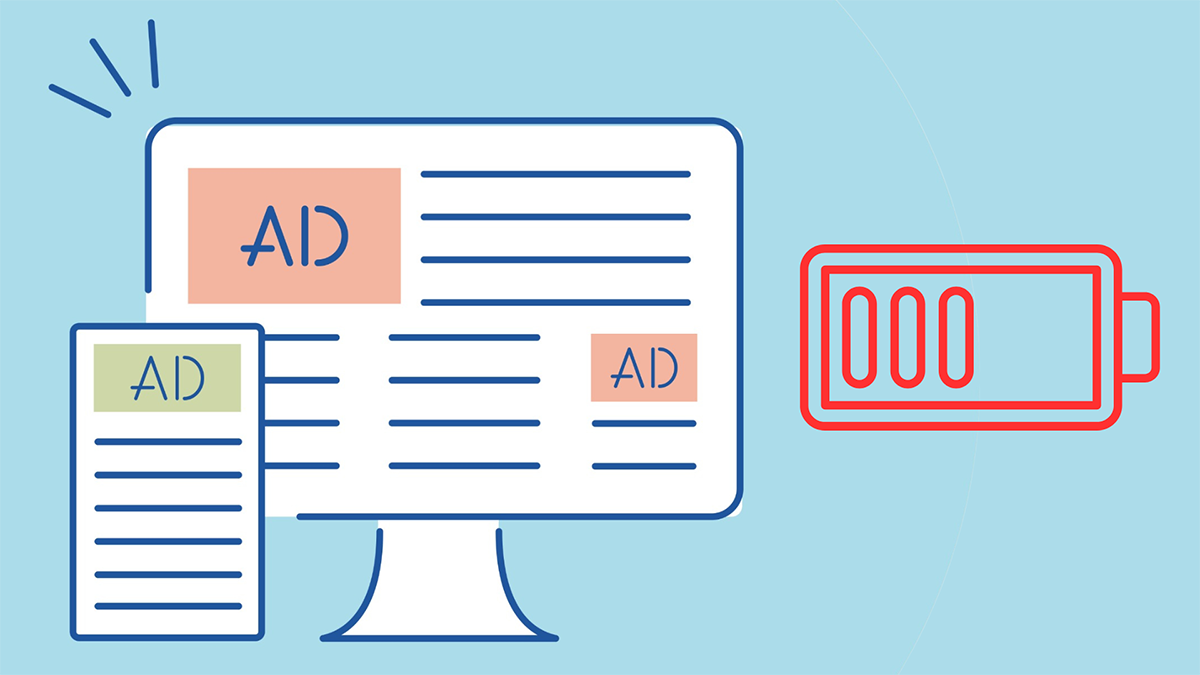
Did you know that after approximately 4 exposures to your ad, your conversions can drop by almost half? As Meta increasingly emphasises broad targeting, the effectiveness of [...]
This year has been challenging for both businesses and consumers, with rising cost-of-living pressures leading to shifts in retail habits. During these quieter times, it’s crucial to [...]
When it comes to protecting your intellectual property (IP), it’s essential to understand the distinctions between copyright and trade marks, as each serves a unique purpose in safeguarding your creative and business assets.

If you’ve recently created a paid campaign on Facebook (or Meta as it’s now known), you’ve probably noticed the platform is trying to skew you towards using [...]

The results from our Audience Intelligence Reports for Q2 have incited some interesting conversations amongst our team. For those of you who don’t know, our quarterly Audience [...]
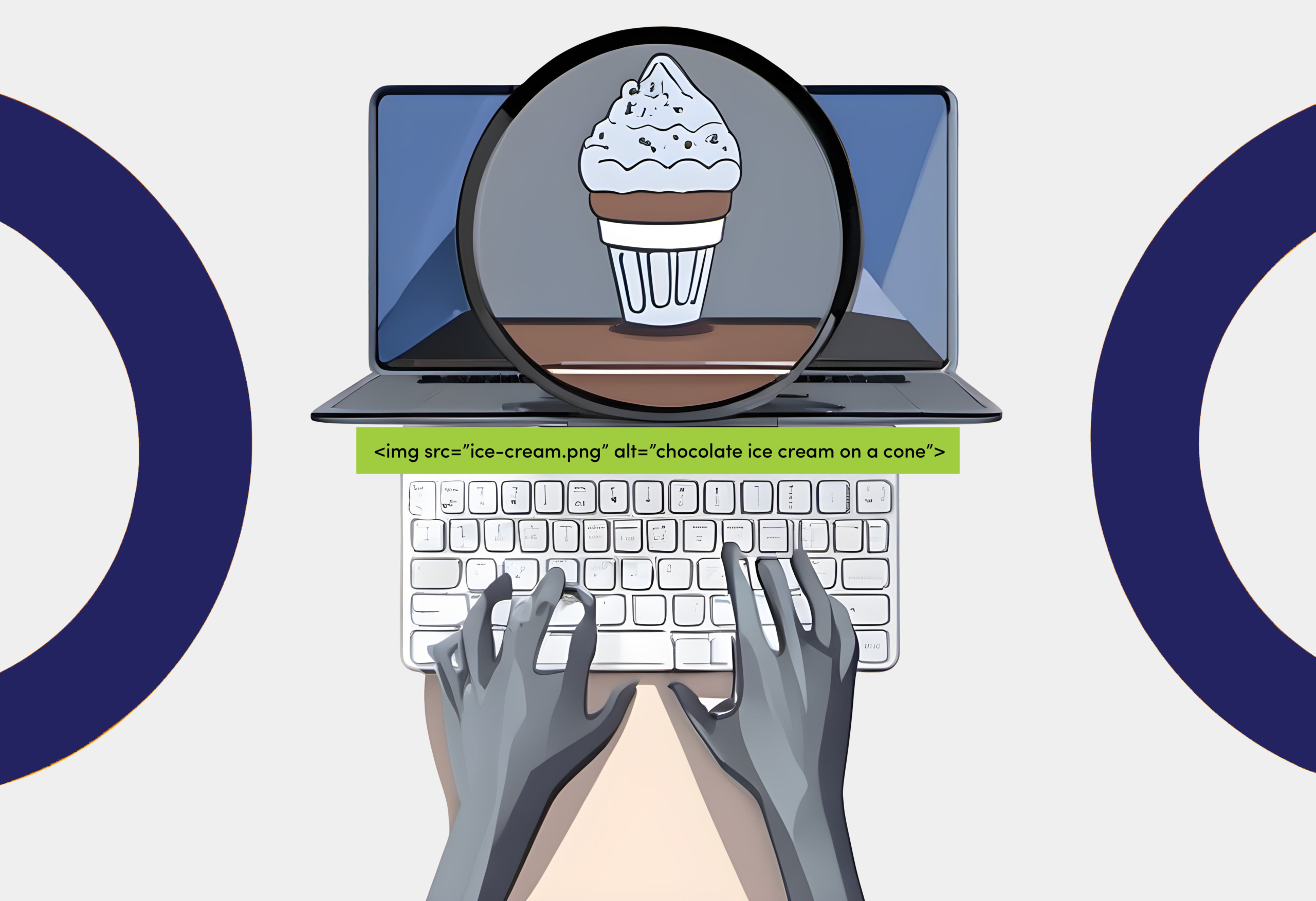
If you’ve been following our tips to improve your website and social media accessibility, you will have seen us harp on about the importance of image alt [...]
When a social media post starts gaining traction, you’ll often receive prompts from the platform encouraging you to reach a wider audience by boosting the post. A [...]
In our last article, we explored the rise of zero-click searches and its impact on how we find information online. This shift in user behaviour has also [...]
One of our biggest takeaways from State of Social 2024 was the evolution of zero-click searches and the impact it will have on the way we do [...]
Have you noticed a drop in engagement on your brand’s Instagram posts? Likes not flowing as much as what they used to? The good news is you’re [...]
Did you know that after approximately 4 exposures to your ad, your conversions can drop by almost half? As Meta increasingly emphasises broad targeting, the effectiveness of [...]
This year has been challenging for both businesses and consumers, with rising cost-of-living pressures leading to shifts in retail habits. During these quieter times, it’s crucial to [...]
When it comes to protecting your intellectual property (IP), it’s essential to understand the distinctions between copyright and trade marks, as each serves a unique purpose in safeguarding your creative and business assets.
If you’ve recently created a paid campaign on Facebook (or Meta as it’s now known), you’ve probably noticed the platform is trying to skew you towards using [...]
The results from our Audience Intelligence Reports for Q2 have incited some interesting conversations amongst our team. For those of you who don’t know, our quarterly Audience [...]
If you’ve been following our tips to improve your website and social media accessibility, you will have seen us harp on about the importance of image alt [...]